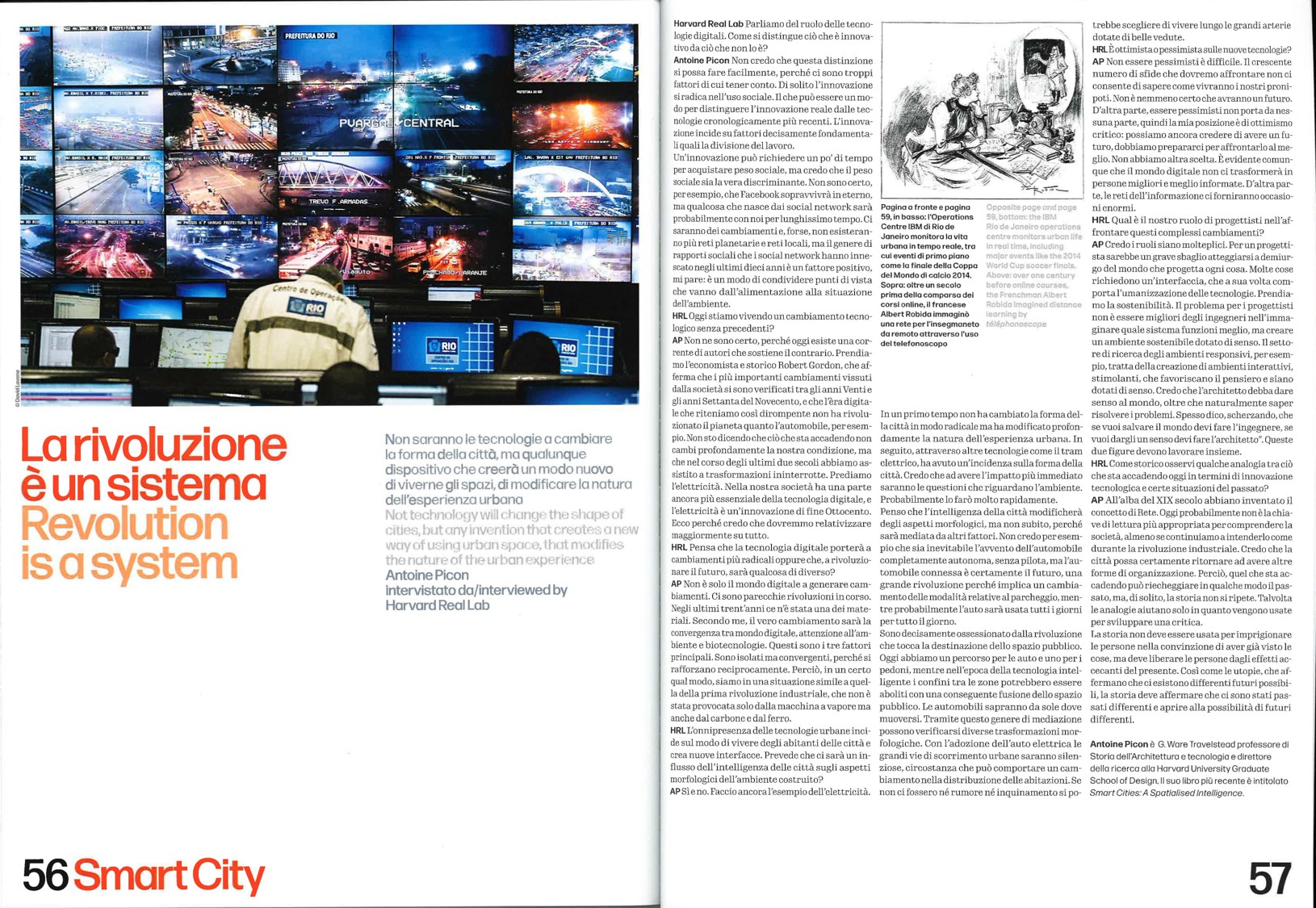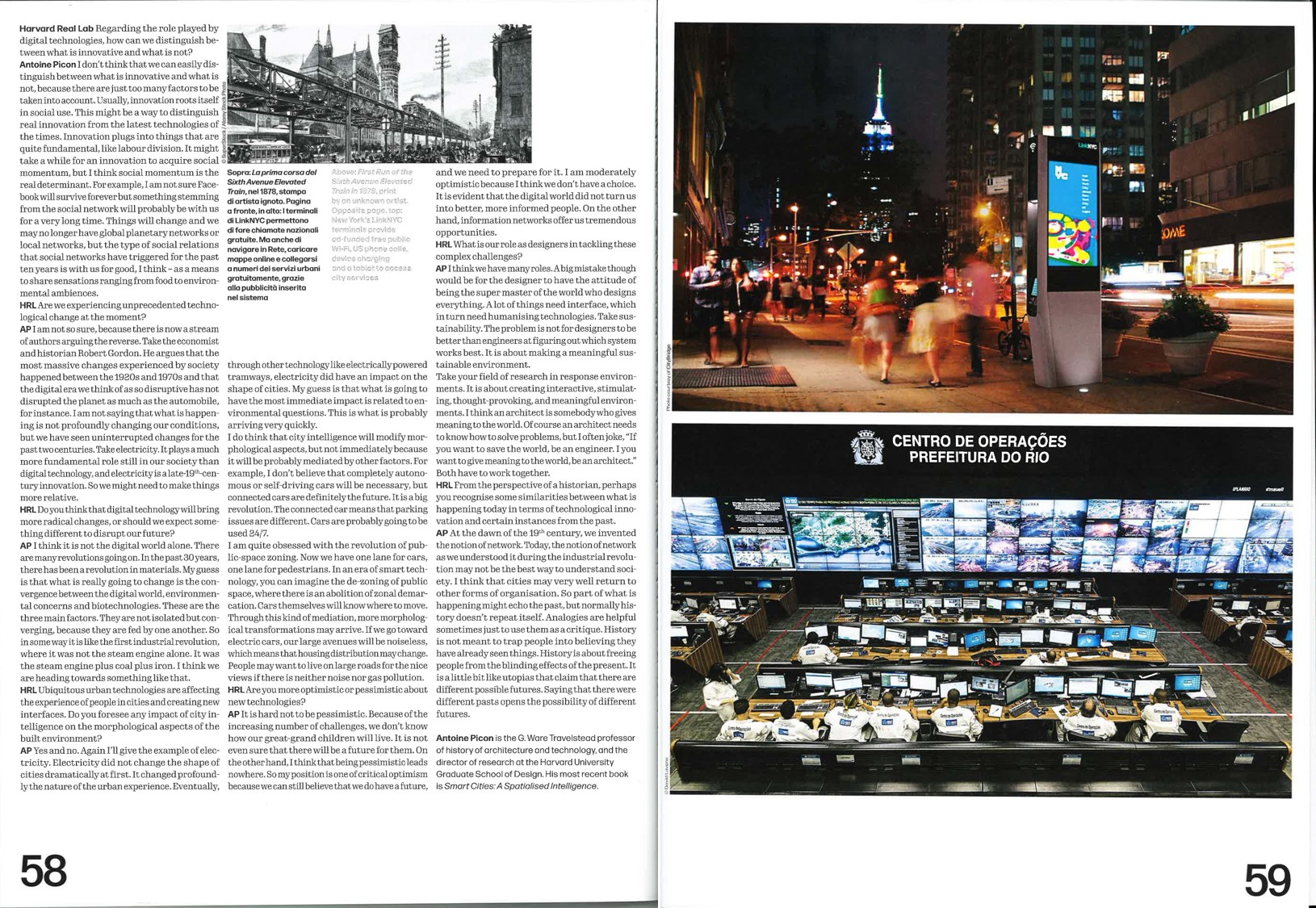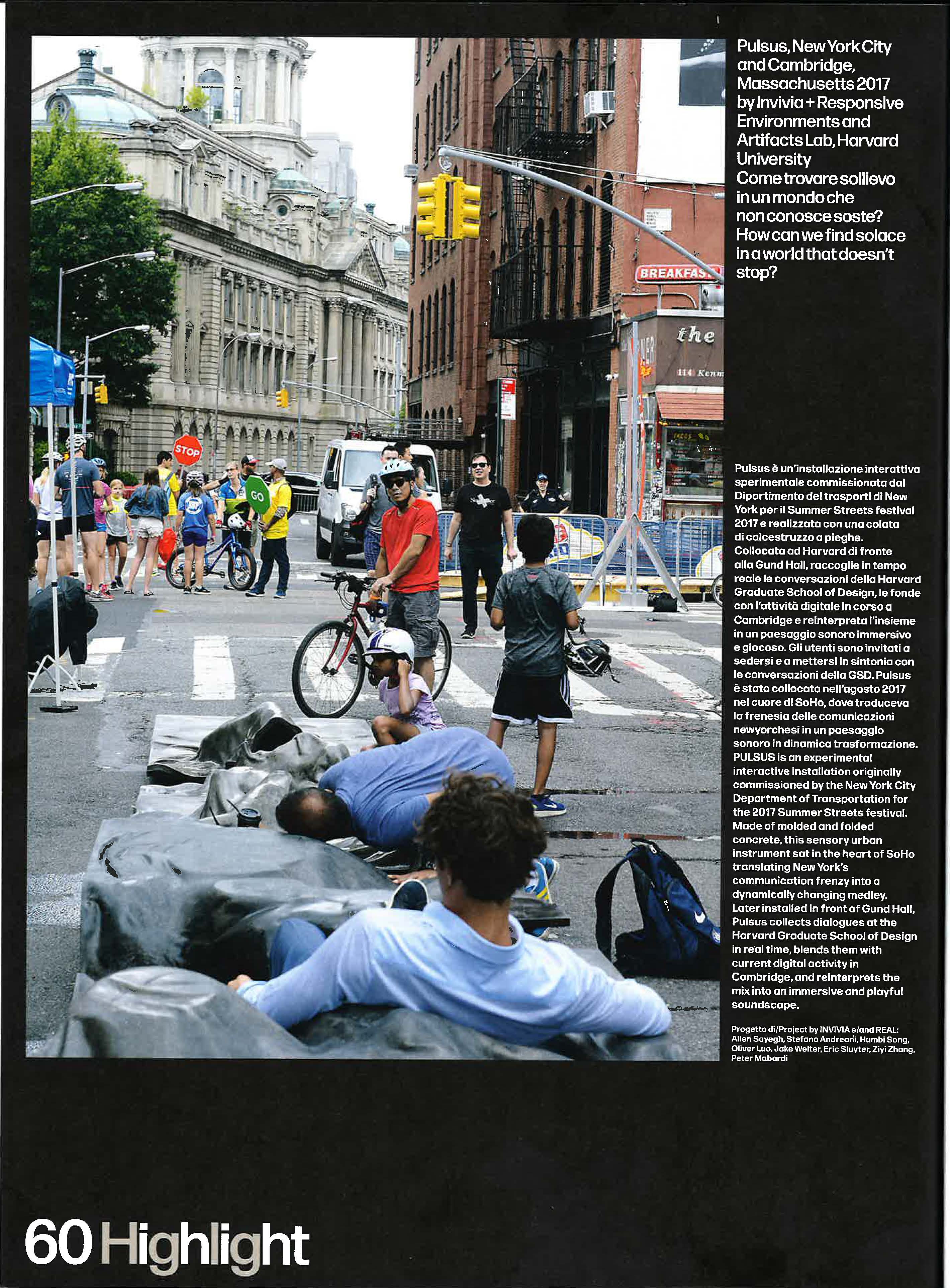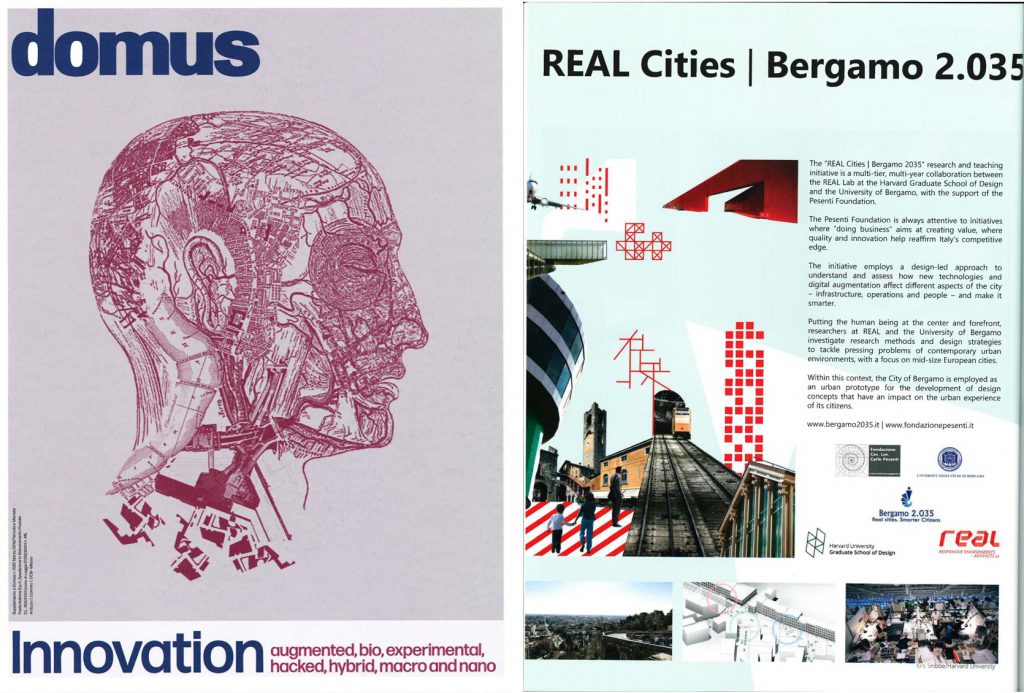
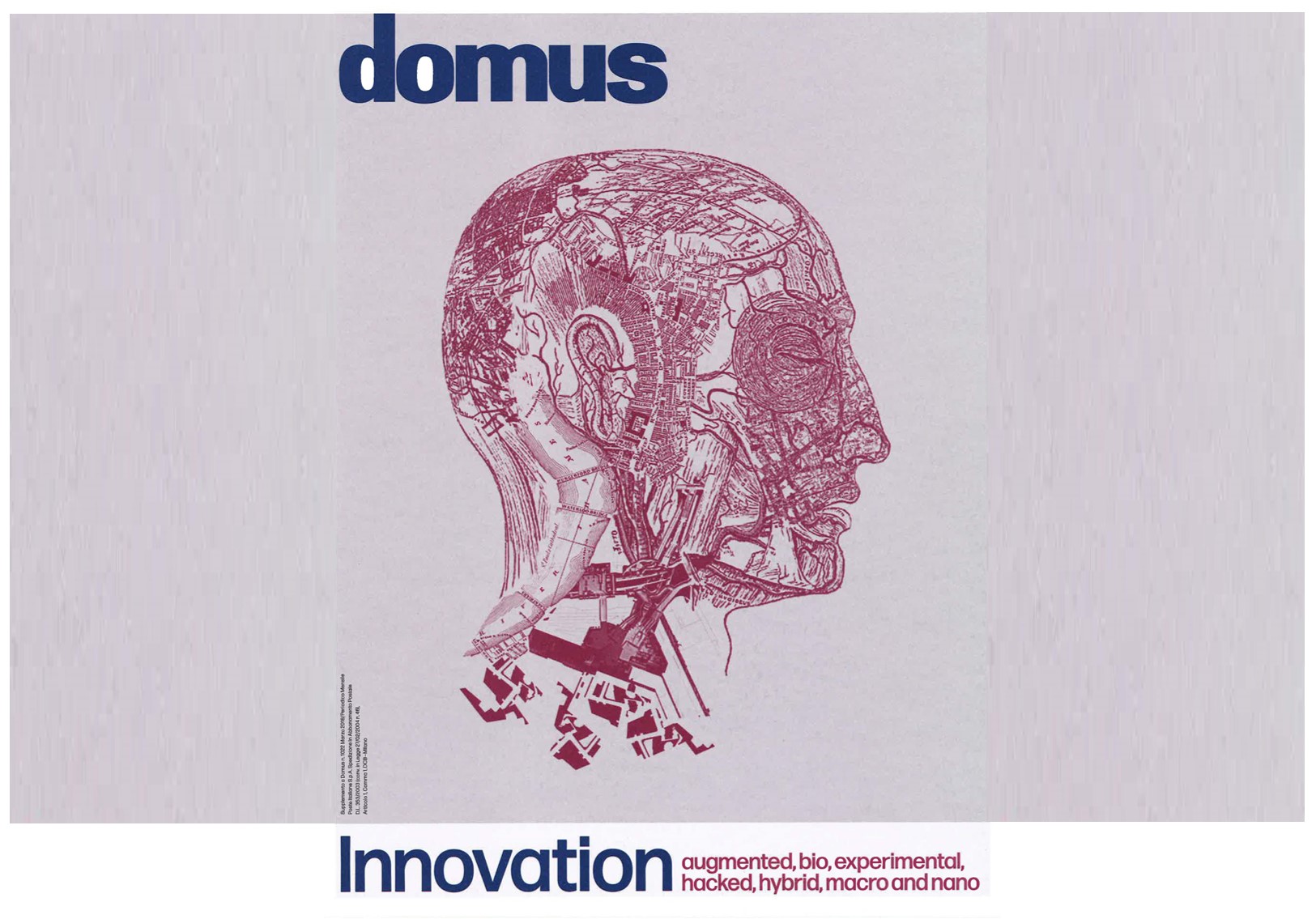
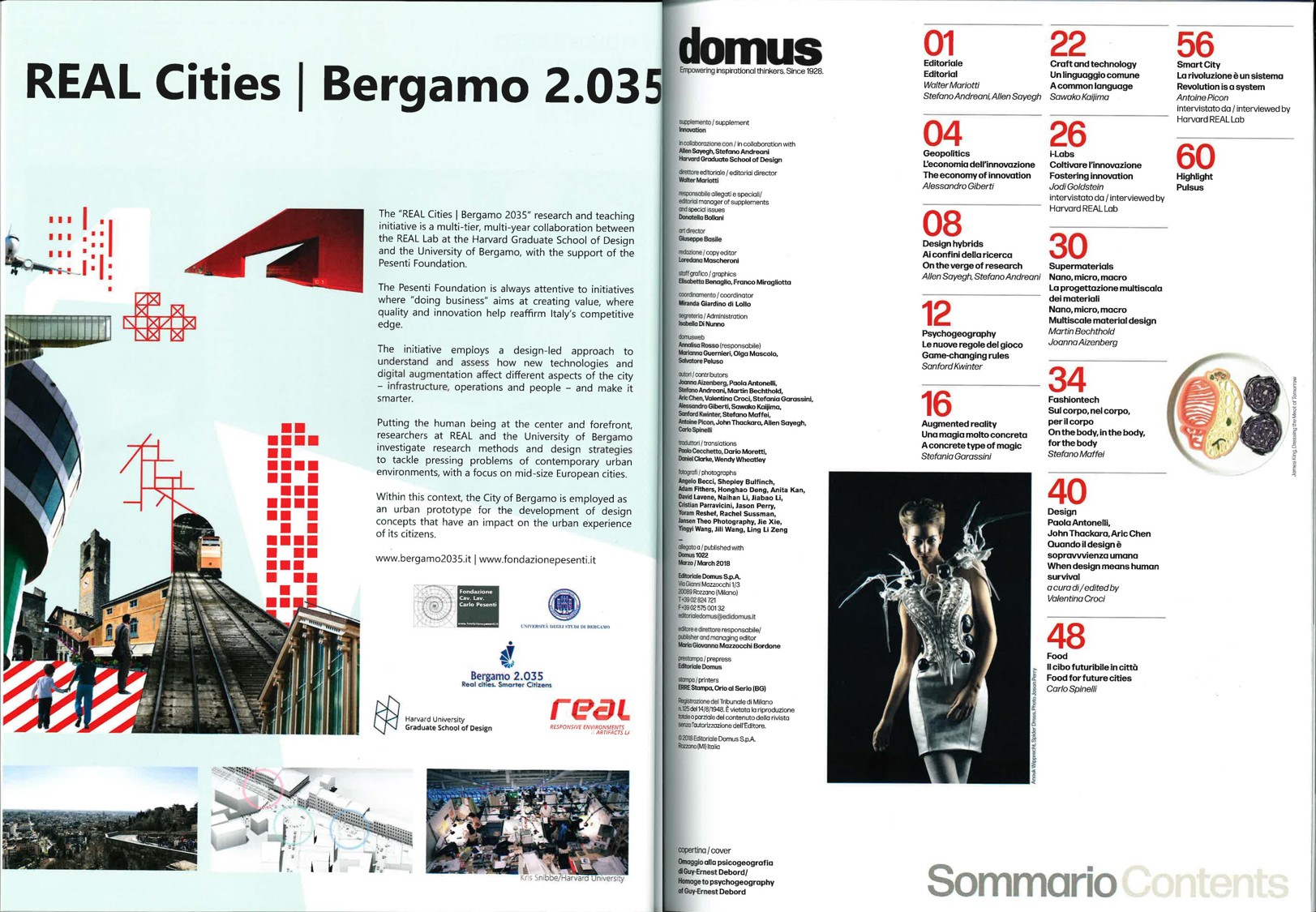
Domus Innovation 2018 is a special insert of Domus born from the collaboration between the Harvard Graduate School of Design (Allen Sayegh, Stefano Andreani) and Domus (Walter Mariotti). Among the projects presented is also REAL CITIES | Bergamo 2035, supported by fondazione pesenti.
This special issue represents an attempt to condense technology, design, and human experience into a single entity and to propose innovation as a fusion of these paradigms.
Jointly edited by the Responsive Environments and Artifacts Lab of the Harvard Graduate School of Design and Domus, the issue returns to the fundamental bases of the perception of design, materiality, interaction, artisanal knowledge, and adaptation.
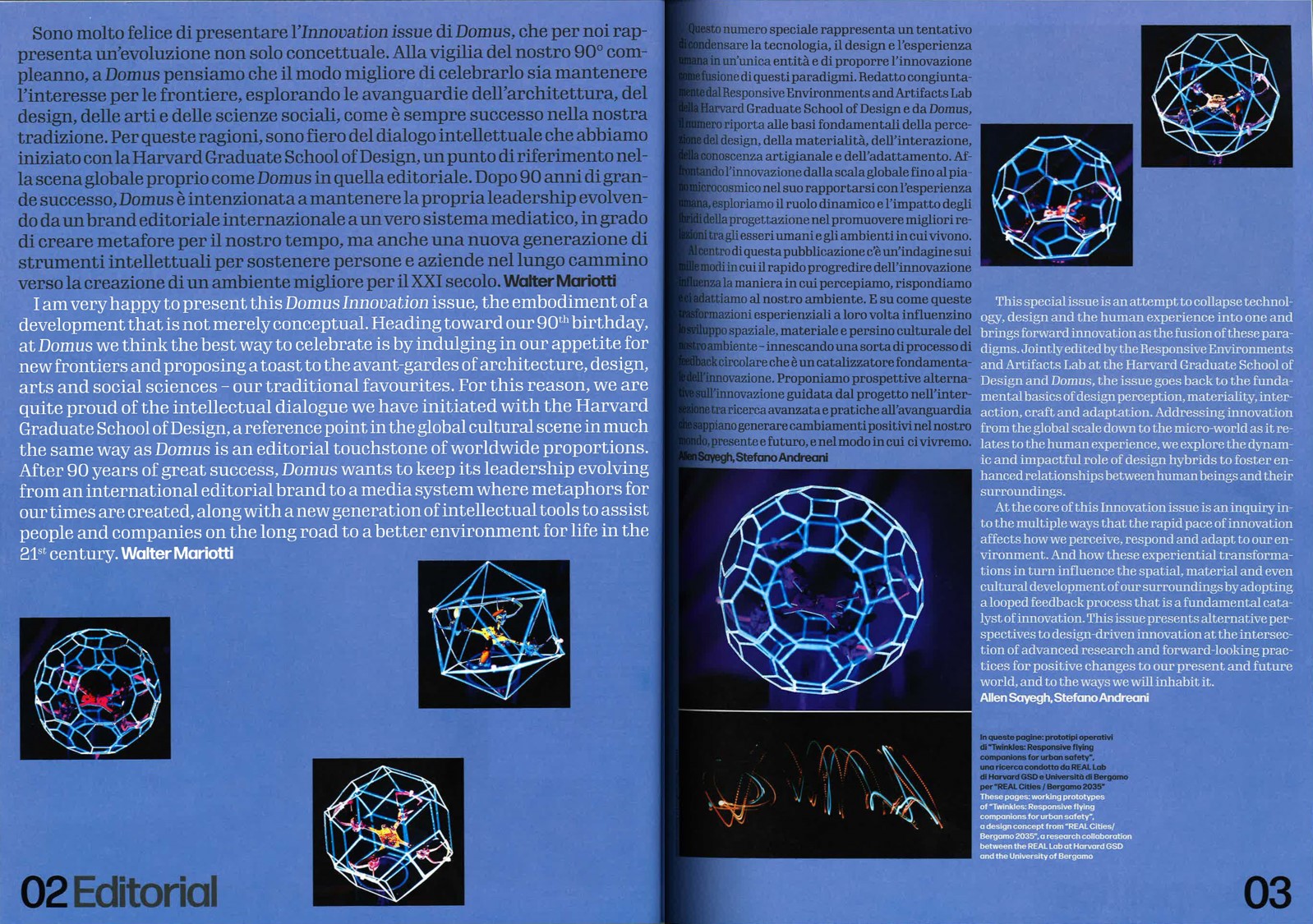
Approaching innovation from the global scale down to the microcosmic level in its relation to human experience, we explore the dynamic role and impact of design hybrids in fostering better relationships between human beings and the environments in which they live.
At the core of this publication is an investigation into the many ways in which the rapid advance of innovation influences how we perceive, respond to, and adapt to our environment.
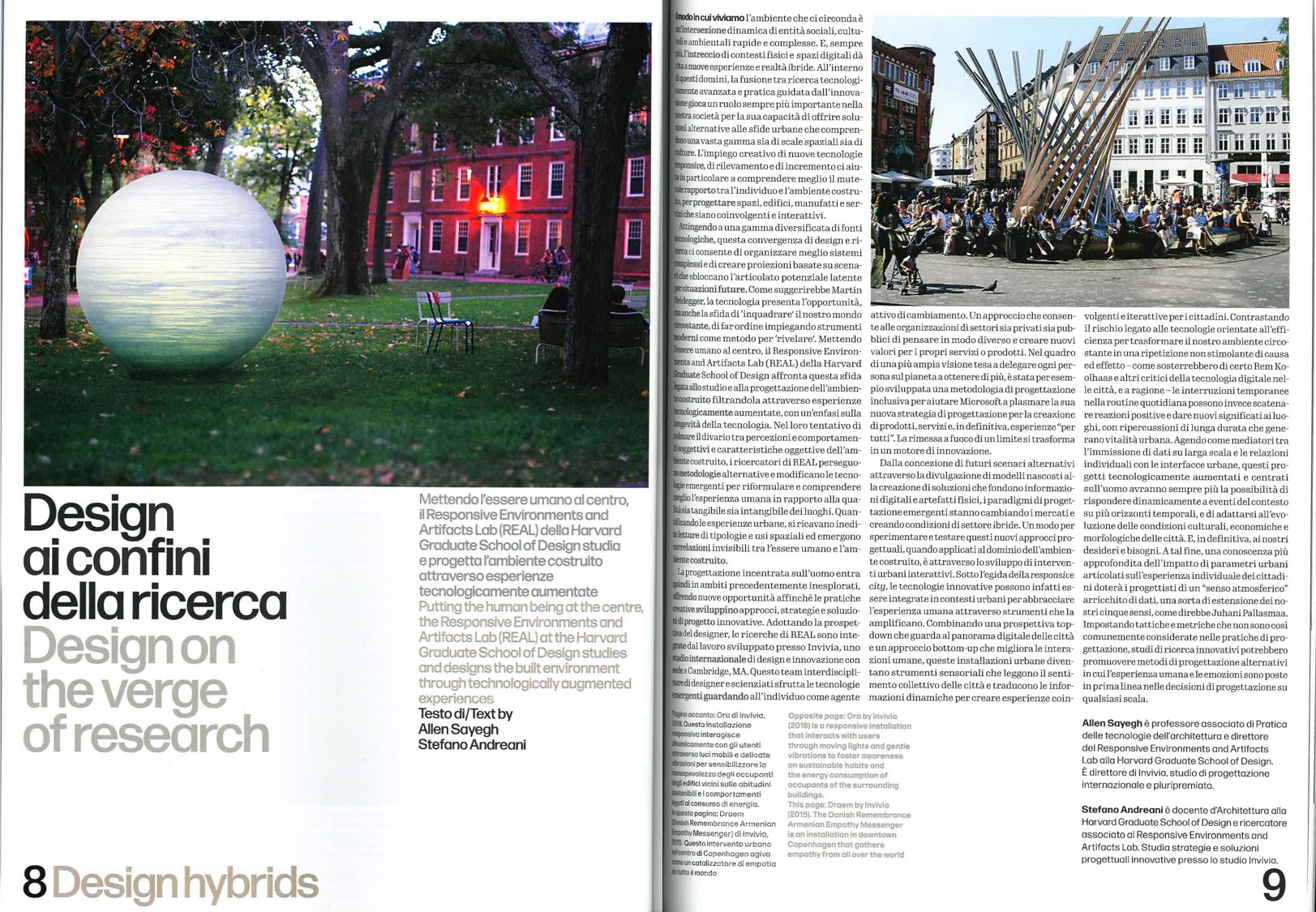
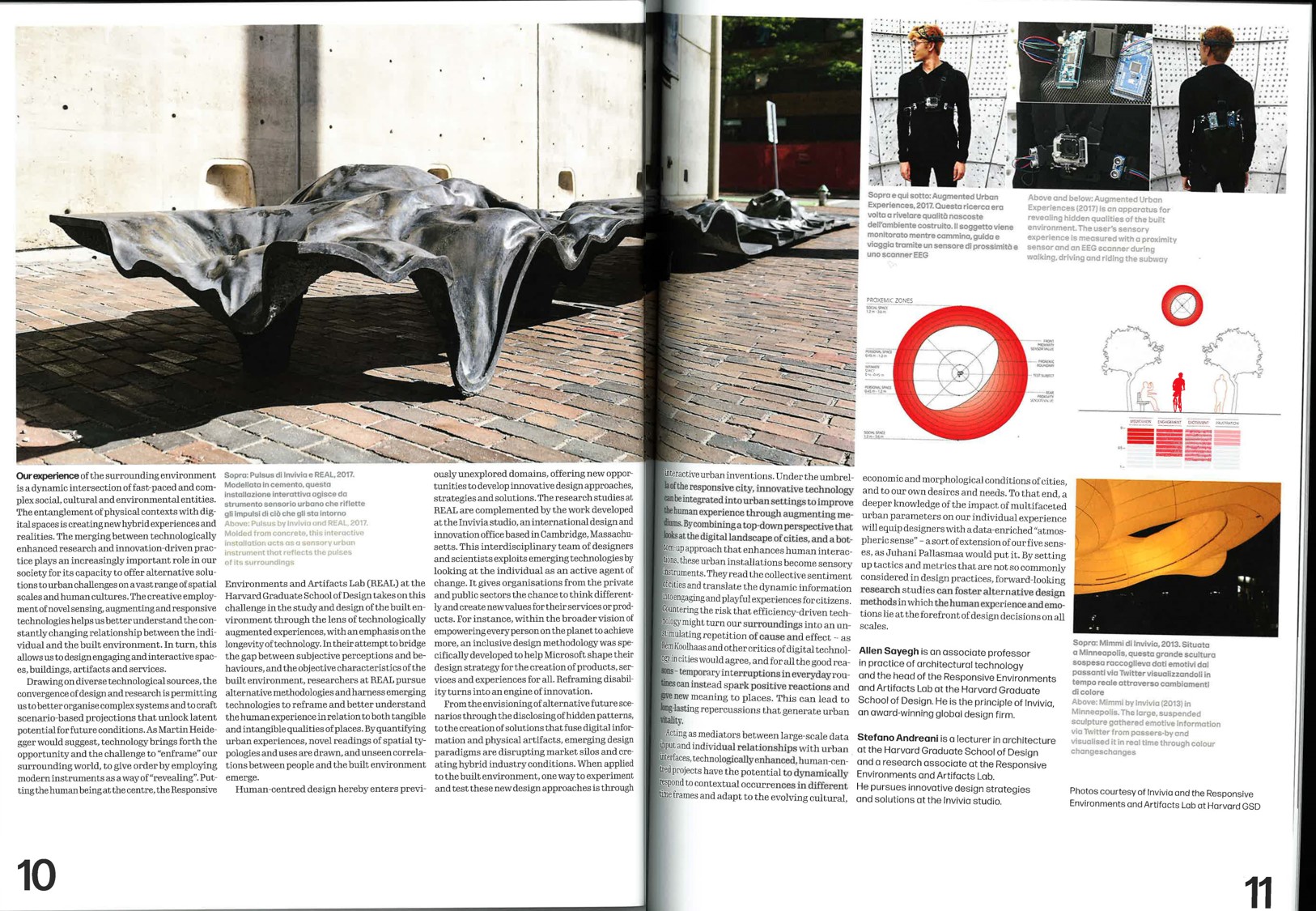
And how these experiential transformations in turn influence the spatial, material, and even cultural development of our surroundings, triggering a sort of circular feedback process that is a key catalyst of innovation.
We propose alternative perspectives on design-driven innovation at the intersection of advanced research and cutting-edge practices that can generate positive change in our world—both present and future—and in the way we live in it.
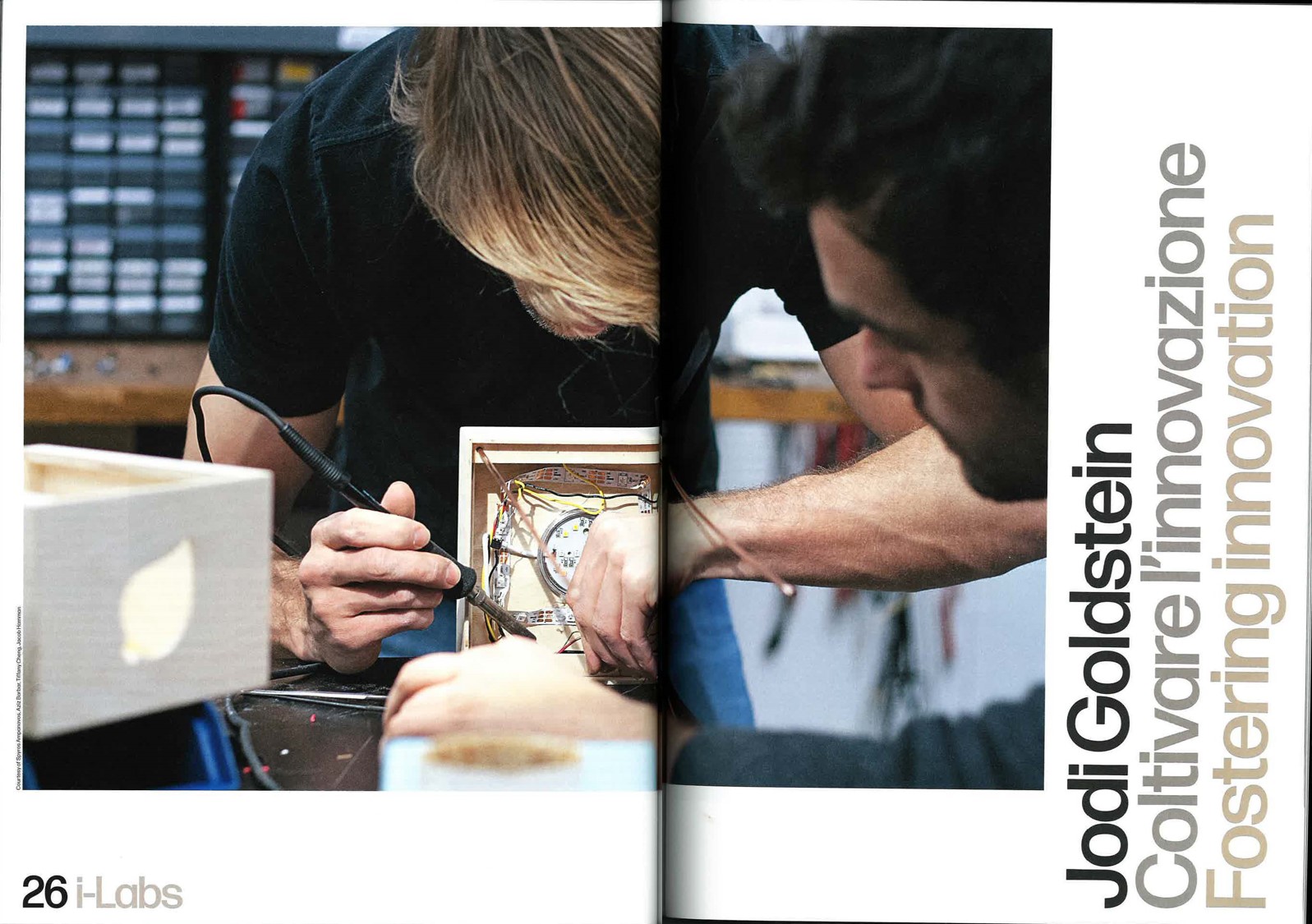
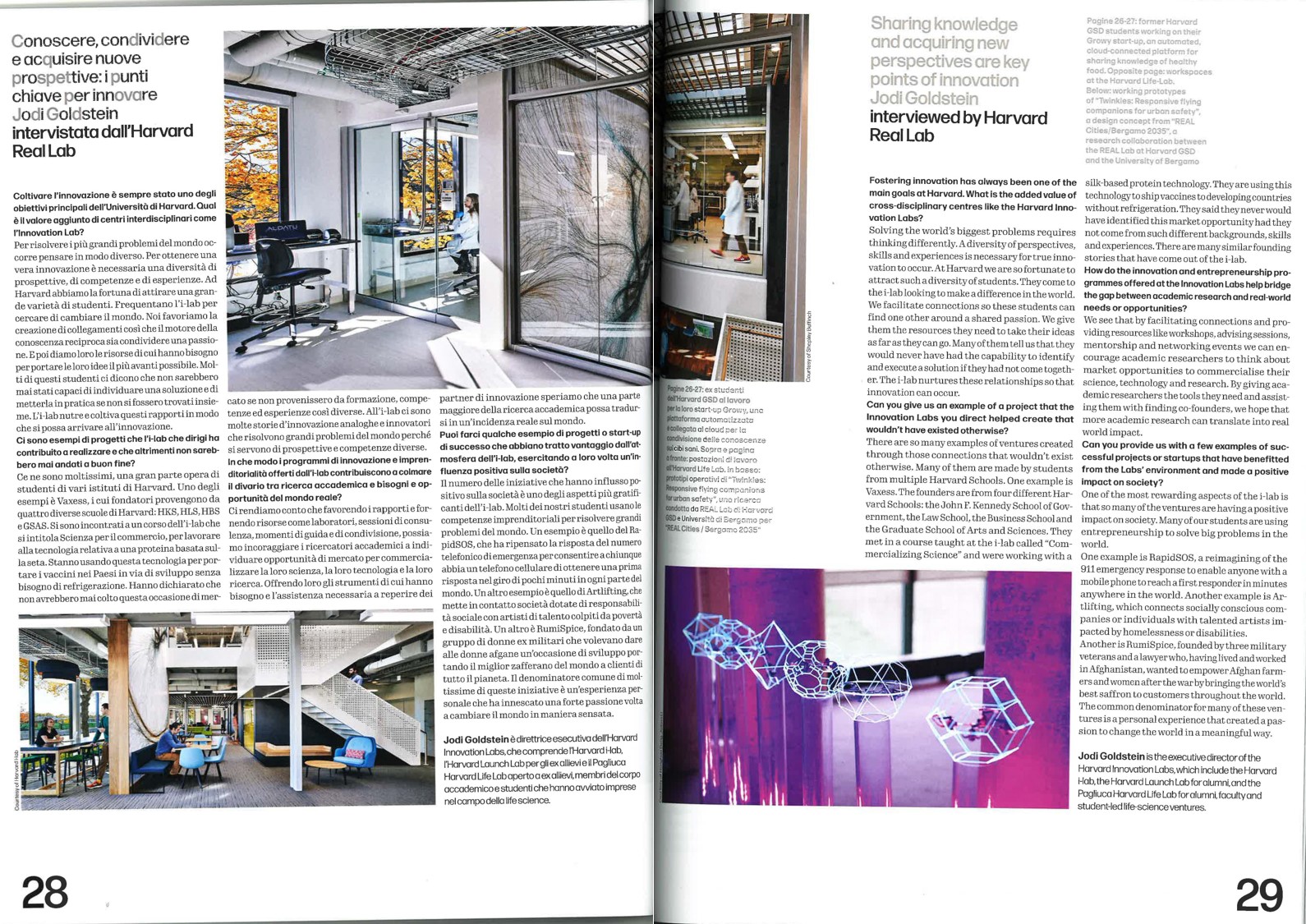
Authors: Antoine Picon (Harvard GSD), Sanford Kwinter (Pratt Institute), Martin Bechthold (Harvard GSD), Joanna Aizenberg (Harvard SEAS), Paola Antonelli (MoMA NYC), Sawako Kaijima (Harvard GSD), Aric Chen (M+ Hong Kong), Jodi Goldstein (Harvard i-Labs).
Projects by: REAL Lab (Harvard GSD), MaPS Group (Harvard GSD), Wyss Institute, INVIVIA, Harvard Innovation Labs, MIT Media Lab.