A conference to rekindle a beacon on sustainability through words, science, and social impact
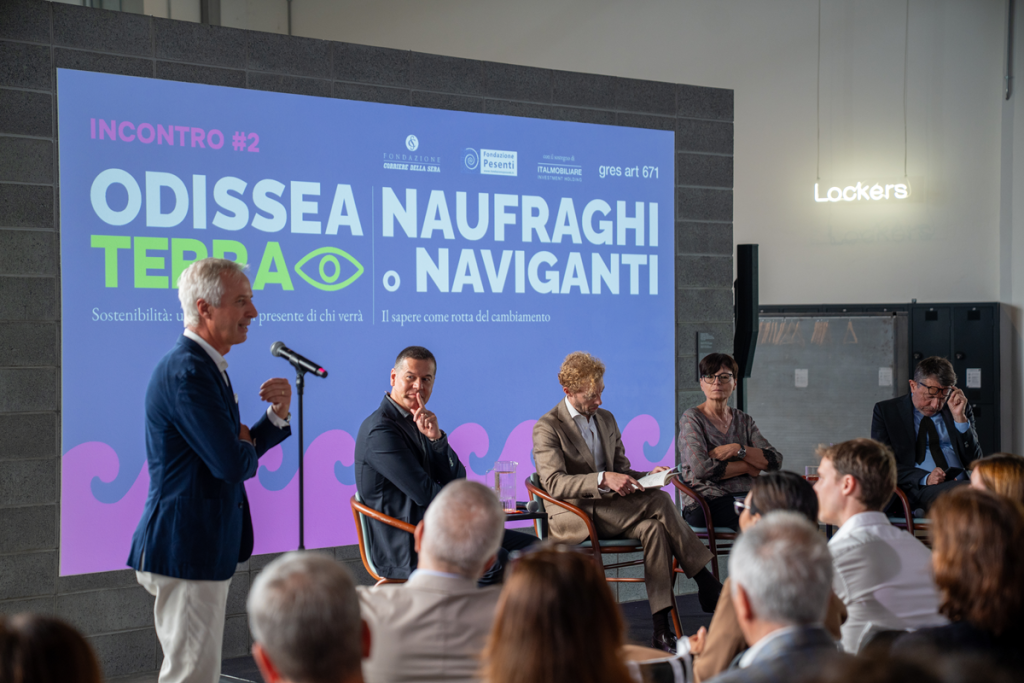
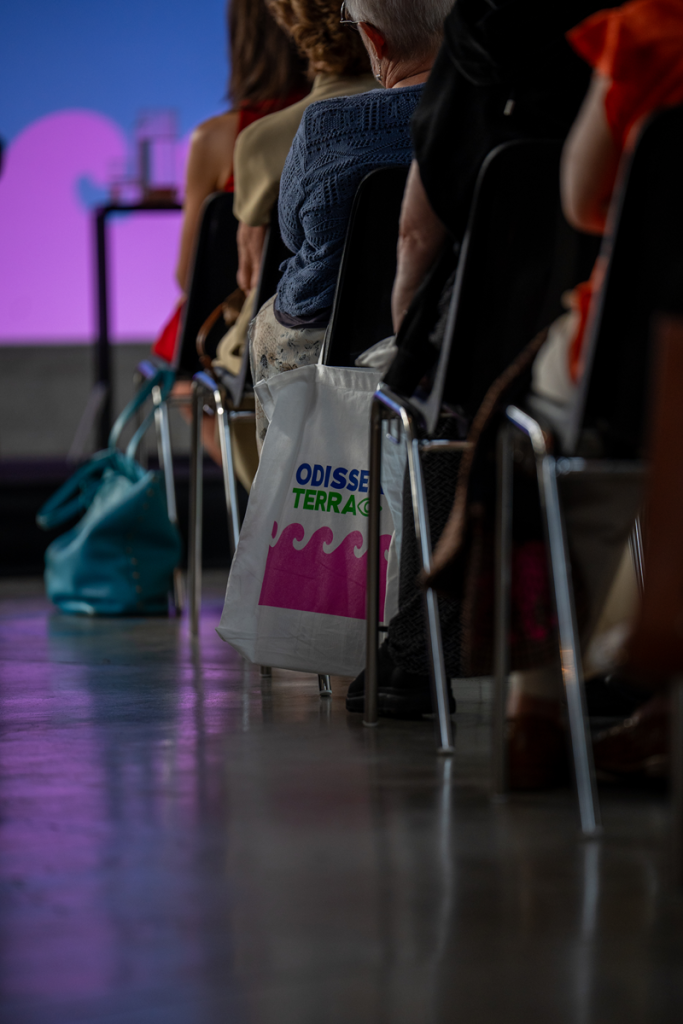
What does “sustainability” mean today? Is it still a shared value or has it become an abstract word, unable to truly guide collective choices? These and many other questions were addressed during the second event of Odissea Terra, ” Naufraghi o naviganti. Il sapere come rotta del cambiamento” (Castaways or navigators: knowledge as the route of change) promoted by Fondazione Pesenti and Fondazione Corriere della Sera, with the support of Italmobiliare.
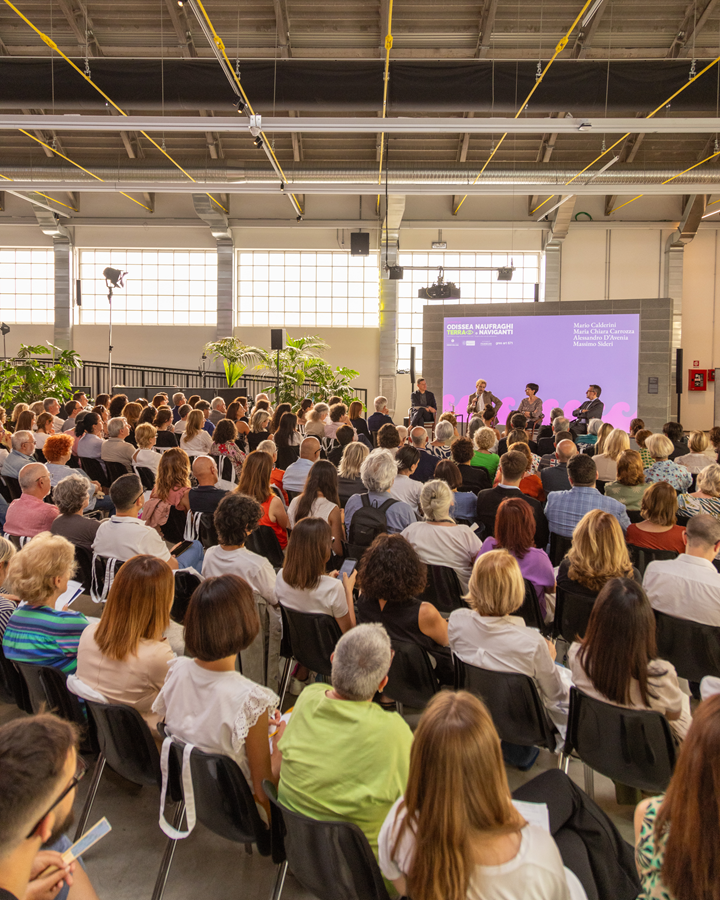

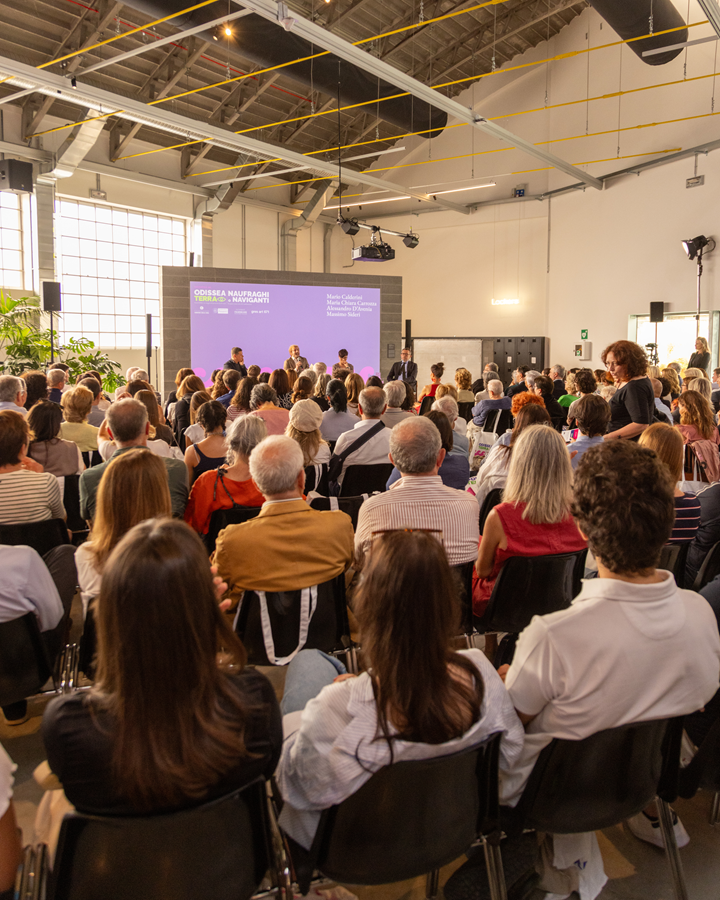
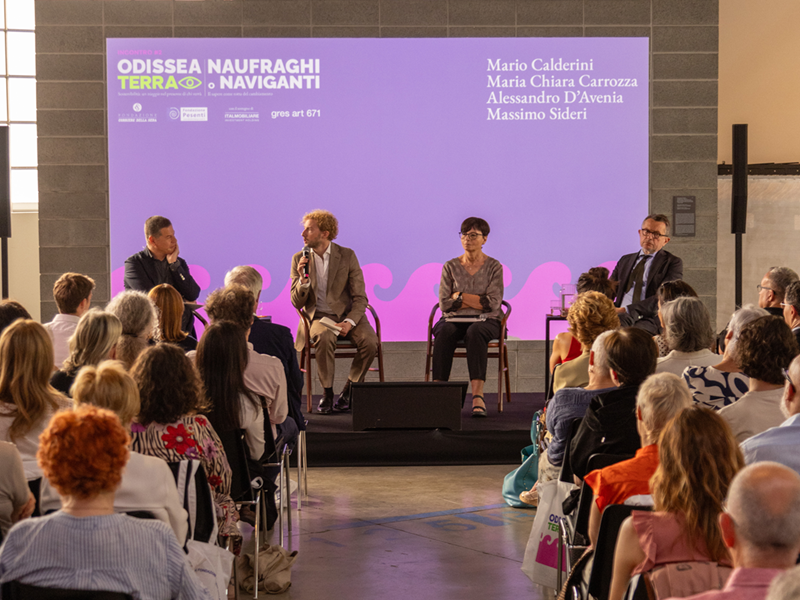
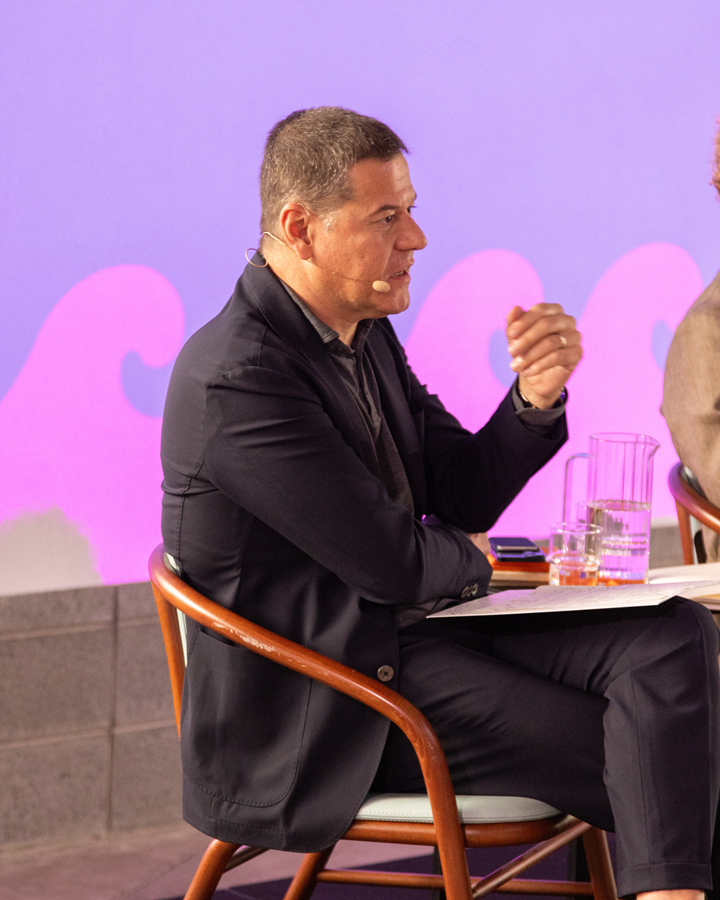
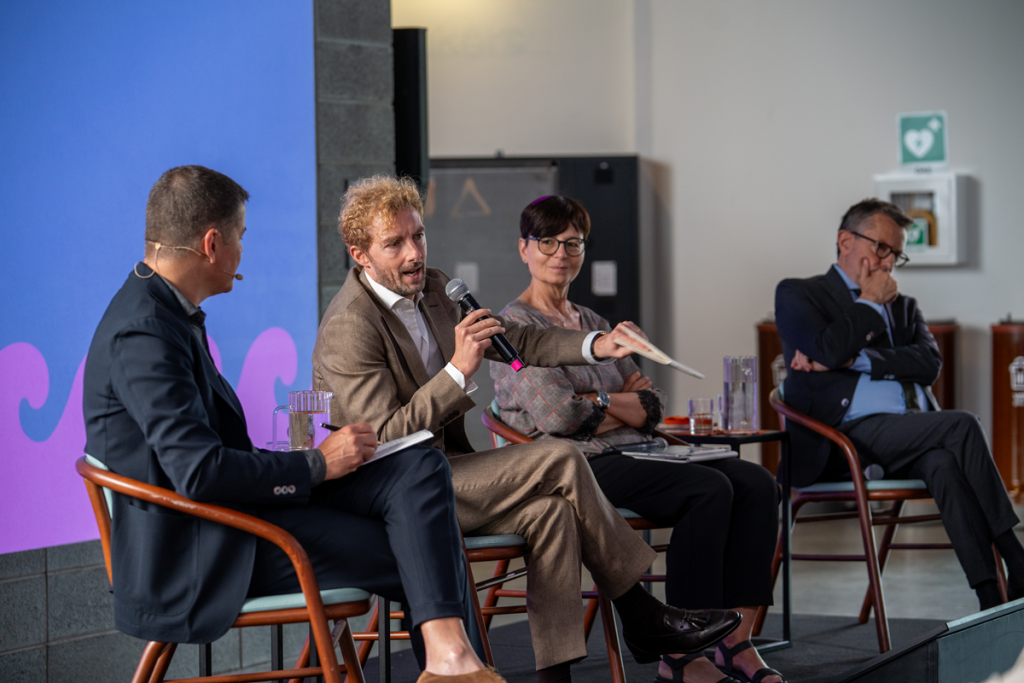
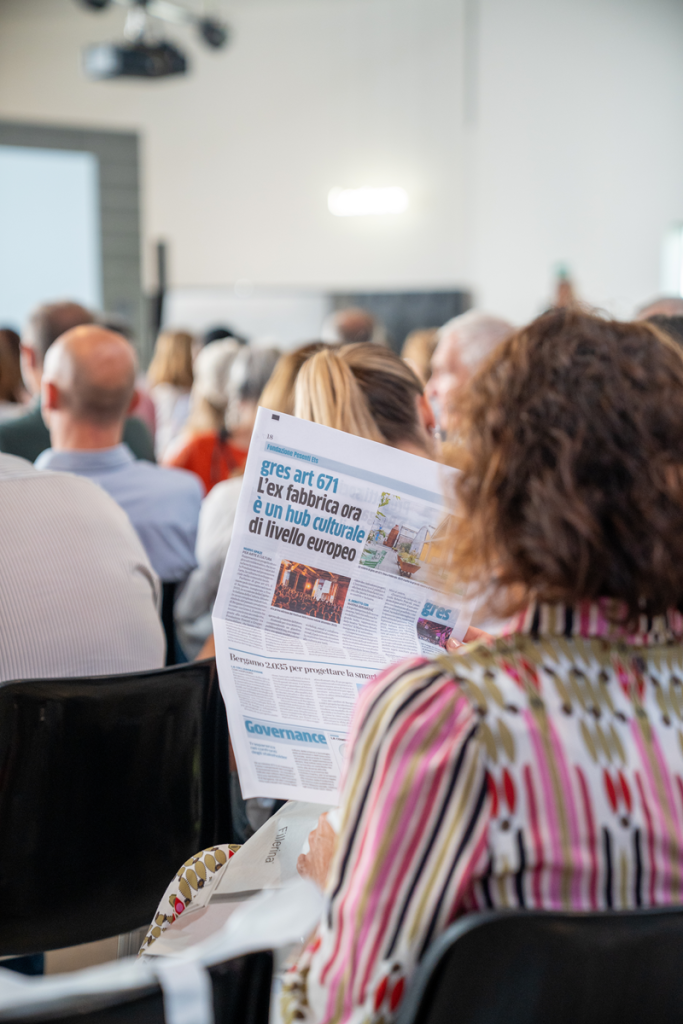
The event, held at gres art 671 in Bergamo, featured a dialogue among prominent voices: Maria Chiara Carrozza, until recently President of the CNR (National Research Council) and former Minister of Education, University, and Research; Alessandro D’Avenia, writer, PhD in Classical Literature and high school teacher; and Mario Calderini, Professor of Management for Sustainability and Impact at the Polytechnic University of Milan, moderated by Corriere della Sera columnist Massimo Sideri.
The lost route of sustainability
At the heart of the event was the recognition that the word “sustainability” is at risk of losing its strength and meaning. “Online searches for the word Tesla outnumber those for sustainability,” said Massimo Sideri. “But a product is not a value. We are witnessing a worrying transformation: from founding idea to marketing slogan.”
The urgency, therefore, is real. Sustainability is not just about the environment; it concerns the survival of humanity. As Sideri pointed out, “The problem isn’t the Earth – it’s us. The Earth will go on, but we risk extinction if we don’t change route.”
Words save us (or sink us)
Alessandro D’Avenia enchanted the audience by weaving together linguistic reflection, classical culture, and the philosophy of limits. “Today we suffer from a plague of language,” he said, referencing Italo Calvino. “Words become abstract and stop creating meaning. Sustainability doesn’t produce a sense of being, unlike I love you or a name like Tesla.”
The word “to sustain”, D’Avenia explained, conveys a concrete gesture:
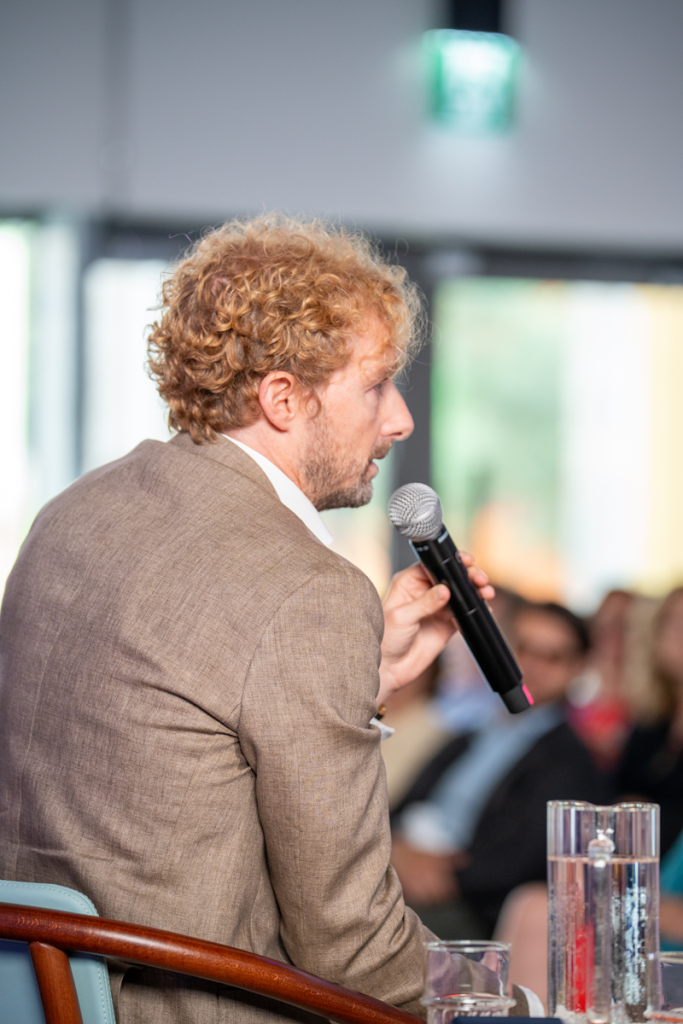
“It comes from sub-tenere, to hold from below. Think of supporting a team, a support teacher, or sustenance: all concrete actions of care and support.”
His keynote brought education back to the center as the foundation of sustainability. “We need a paideia of the cosmos (from ancient Greek παιδεία, paideía, meaning education or formation),” he said. “An education that teaches us to feel the body of others and of the planet as part of ourselves. Individualism has turned our relationships into deserts. But man is Homo Sapiens because he returns home: Ithaca is the place of relationships that give us back our identity.”
Referring to the Odyssey, D’Avenia outlined three existential stages that should reflect in our daily lives: freeing oneself from wars that are not ours, as Odysseus leaves Troy; renouncing immortality, as when he rejects Calypso; and finally, rediscovering authentic bonds. “Only this way do we navigate—otherwise, we shipwreck” D’Avenia concluded.
Science is One and indivisible. Sustainability must become culture
Maria Chiara Carrozza stimulated the discussion by focusing on scientific rigor and institutional responsibility, emphasizing the importance of the “unity of science”—a neo-revolutionary concept that allows us to see phenomena in their entirety and from diverse disciplinary perspectives. “Sustainability has many faces,” she said. “It is social, biological, energetic, material. To tackle it, we must overcome the fragmentation of knowledge. The true scientific revolution today is its unity.”
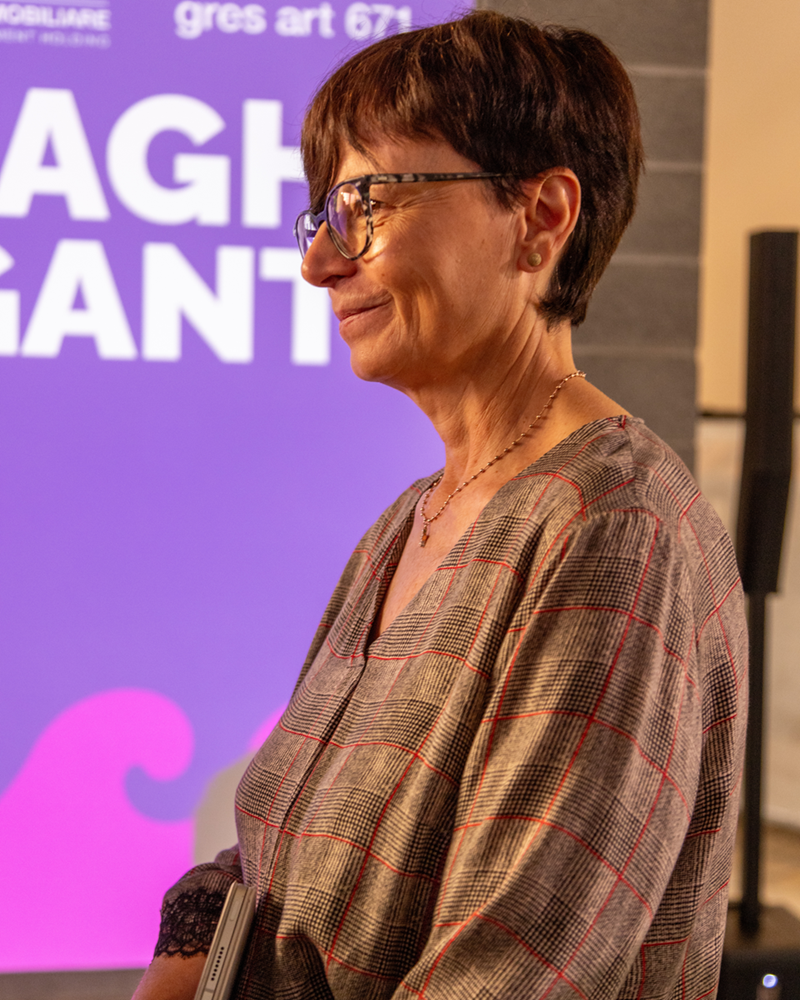
The former Minister of Education, University, and Research concluded with a powerful message: “Sustainability must become part of everyday culture, made of simple but radical questions: what impact does what I’m doing have? It’s time to move from a linear system to a circular one. The world must become round again.”
Sustainability that excludes is unsustainable
Mario Calderini approached the topic of sustainability from a quantitative and economic perspective, warning that “the failure to protect biodiversity could lead, according to authoritative studies, to a 50% loss of global GDP by 2050.”
His talk also highlighted scientific acceleration and the impact of artificial intelligence, raising questions about the sustainability of these tools in terms of energy use and purpose. Particular attention was given to biodiversity, which today “is a constitutional parameter,” he recalled, referencing Article 9 of the Italian Constitution. “If we lose biodiversity,” Carrozza added, “we lose our heritage for future generations. Lakes, the Mediterranean—these are visible witnesses to a decline that affects us all.”
Species loss, a key indicator of unsustainability and climate change, pushes us toward a “Nature Restoration Law” and a new industrial revolution: moving from a linear system (extract, produce, discard) to a circular system where materials are reused.
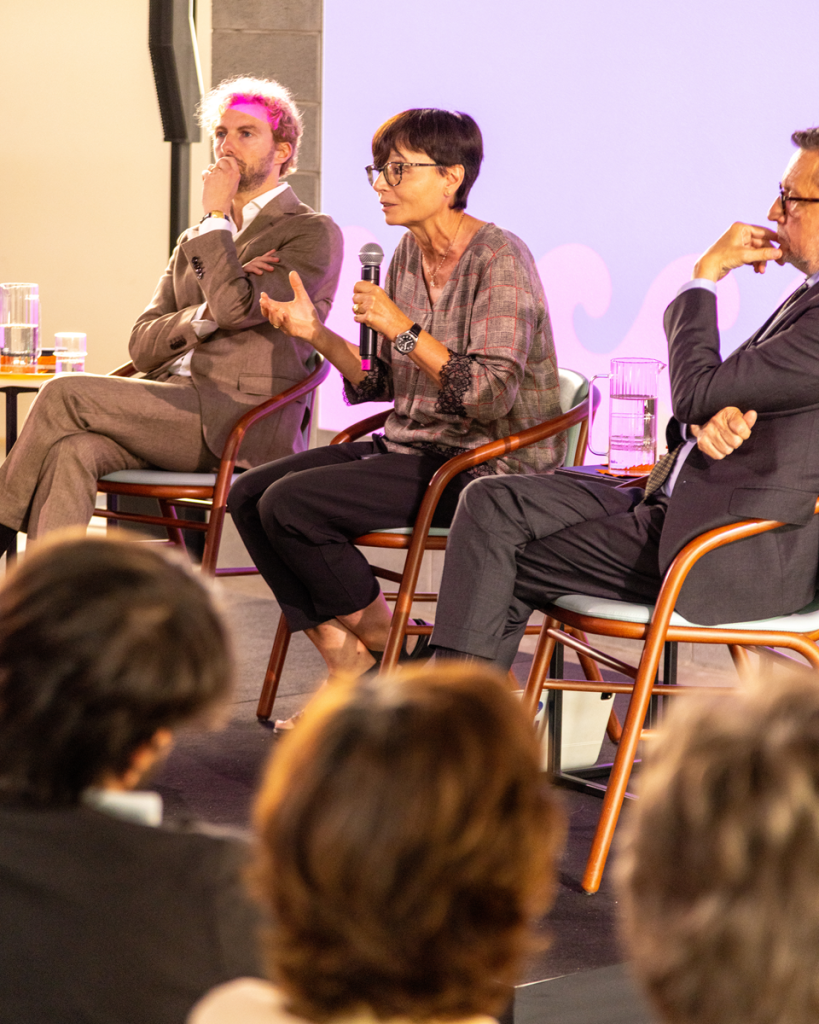
Calderini especially emphasized the often-overlooked social dimension of the green transition: “The paradox is that those rejecting sustainability today are the weakest— the elderly, the poor, the less educated. And yet, they are also the ones who suffer, and will continue to suffer, the most from its absence.” The reasons for this rejection, he explained, are legitimate: high energy costs, job losses in traditional industries, and financial burdens from home energy retrofits.
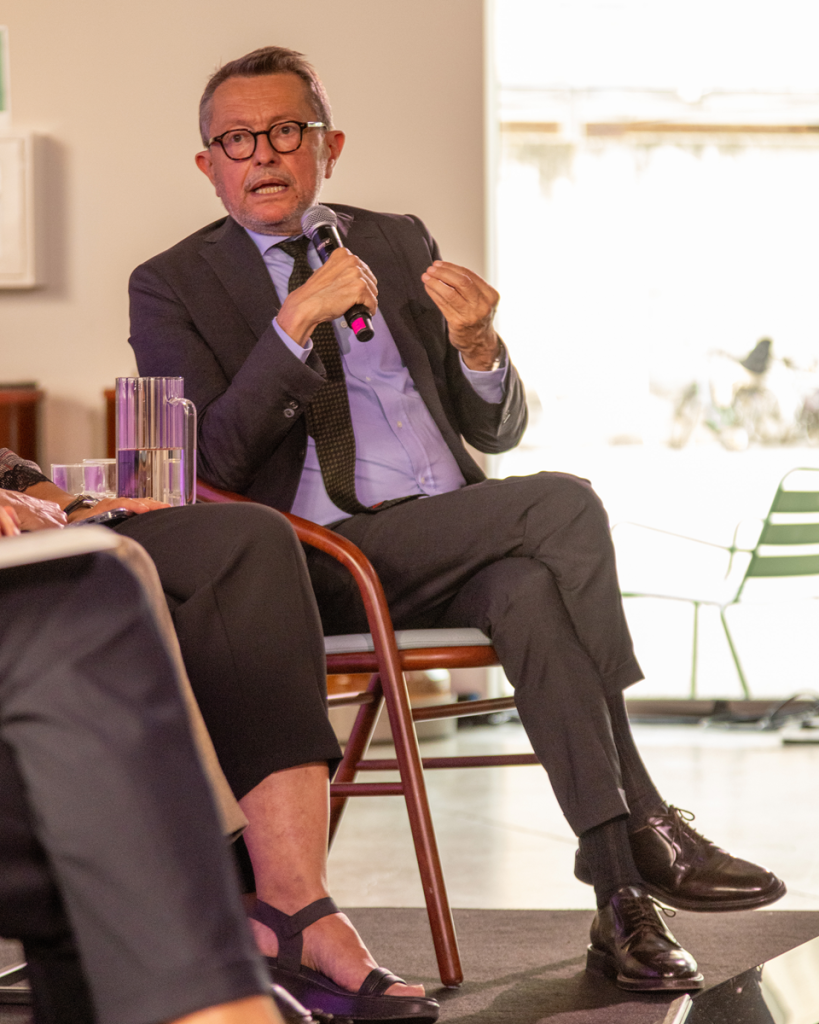
He pointed out a growing anti-sustainability backlash, fueled by unbalanced policies, insufficient focus on social transition, and a guilt-inducing narrative. “We’ve regulated the ‘green’ but ignored the ‘social.’ Environmental taxonomy exists; social taxonomy is still adrift.”
Yet this backlash has one merit, Calderini said ironically: it is beginning to clear the stage of opportunists who rode the sustainability wave for self-interest.
The alternative? The professor from the Polytechnic asked: a transformative sustainability that integrates innovation with social justice. “We need innovation with impact—capable of reconciling ecological transformation, market forces, and solidarity. The term ‘sustainability’ is no longer enough. Sustainability must be transformative—that is, socially inclusive.”
Knowledge as the rudder, limits as the route
The conference closed with a strong and urgent collective message: sustainability is not optional; it is the condition for our future existence. But to truly serve this role, it must move beyond abstraction—rooted instead in culture, education, science, and social justice.
We need a new generation of “helmsmen”, capable of reading the world and avoiding shipwreck. We must rediscover the sense of limits—as the place where humanity learns. We must stop consuming the garden entrusted to us. As D’Avenia said: “If you exhaust the cosmos, you exhaust yourself. And in fact, today we are all a bit exhausted. The life we live is unsustainable.”
The conference thus provided crucial insights on how to reclaim the true meaning of sustainability, making it a concrete and shared value, and transforming it from an abstract concept into a route that can guide us—as navigators, not castaways.
The next event will take place in Milan on September 30, 2025.