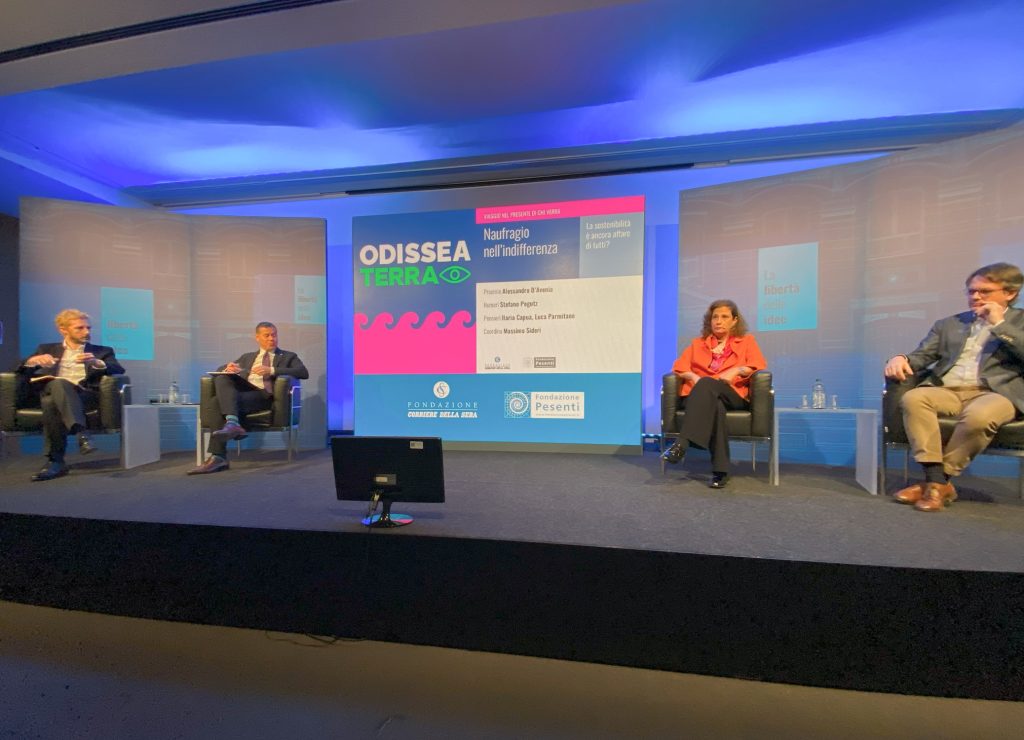
Tuesday, April 1 – Odissea Terra, a project created with the aim of putting sustainability efforts back on the agenda, not only environmentally but also socially, economically and culturally.
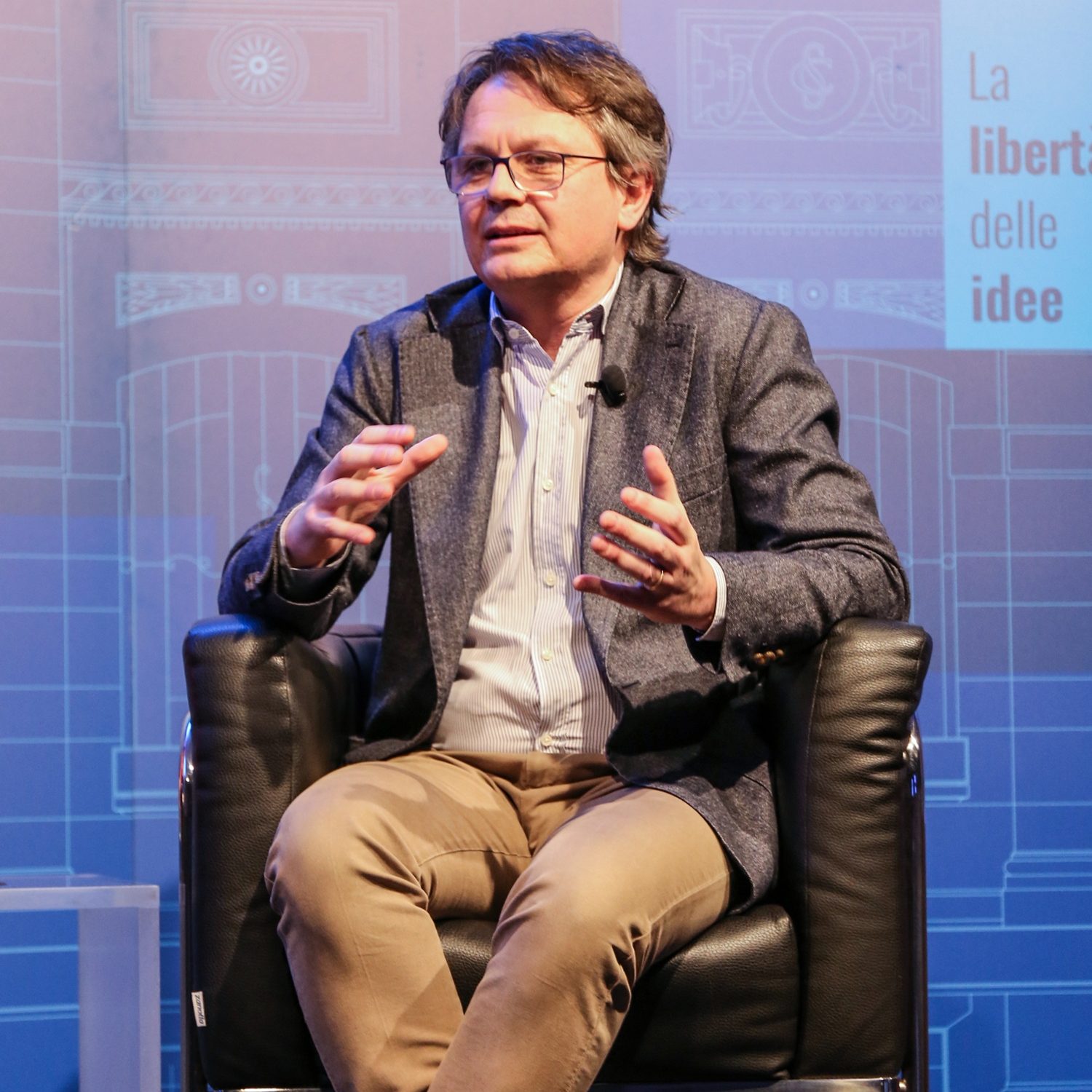
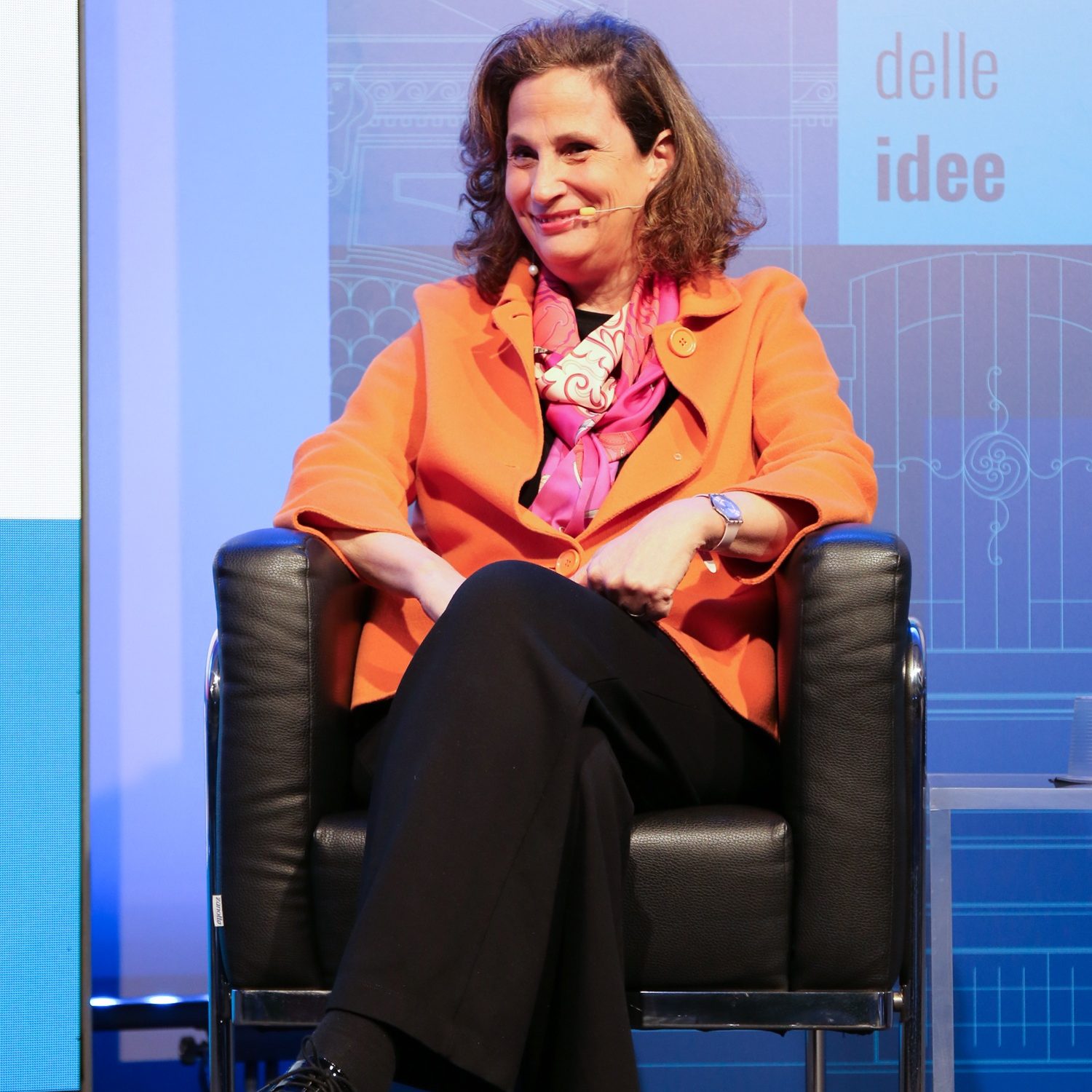
The first meeting in the cycle of four conferences organized by Fondazione Pesenti in collaboration with Fondazione Corriere della Sera featured Alessandro D’Avenia, writer, PhD in Classical Literature and high school literature teacher, Ilaria Capua, virologist, Senior Fellow of Global Health at Johns Hopkins University – SAIS Europe, and Stefano Pogutz, professor of Corporate Sustainability at SDA Bocconi School of Management where he is Director of the full-time MBA, coordinated by Massimo Sideri, Corriere della Sera columnist, as the helmsmen of this first leg of the journey. The guests offered various insights, ranging from the importance of narratives to scientific data and the need to re-establish a more conscious relationship with the planet.
Indeed, the decline of interest in sustainability and the growing eco-anxiety among young people was discussed, emphasizing the urgency of concrete actions and a renewed sense of collective responsibility. The reference to the Odyssey symbolizes a complex journey to a sustainable “Ithaca”, which requires awareness of limits and an active commitment to safeguarding our “terrarium,” our Earth.
Carlo Pesenti, Chairman of Fondazione Pesenti ETS, opened the conference by saying, “Sustainability is one of the pillars on which our foundation was born more than 20 years ago. I, in my managerial and entrepreneurial experience, have considered sustainability as one of the founding pillars of our strategy and daily operations. So we have decided to make this enormous asset available to everyone and it needs to be disseminated, especially at this time when a haze seems to have descended on the issue of sustainability. We want to generate reactions within you, we want to generate emotions and we want to speak to your mind but also to your heart.”
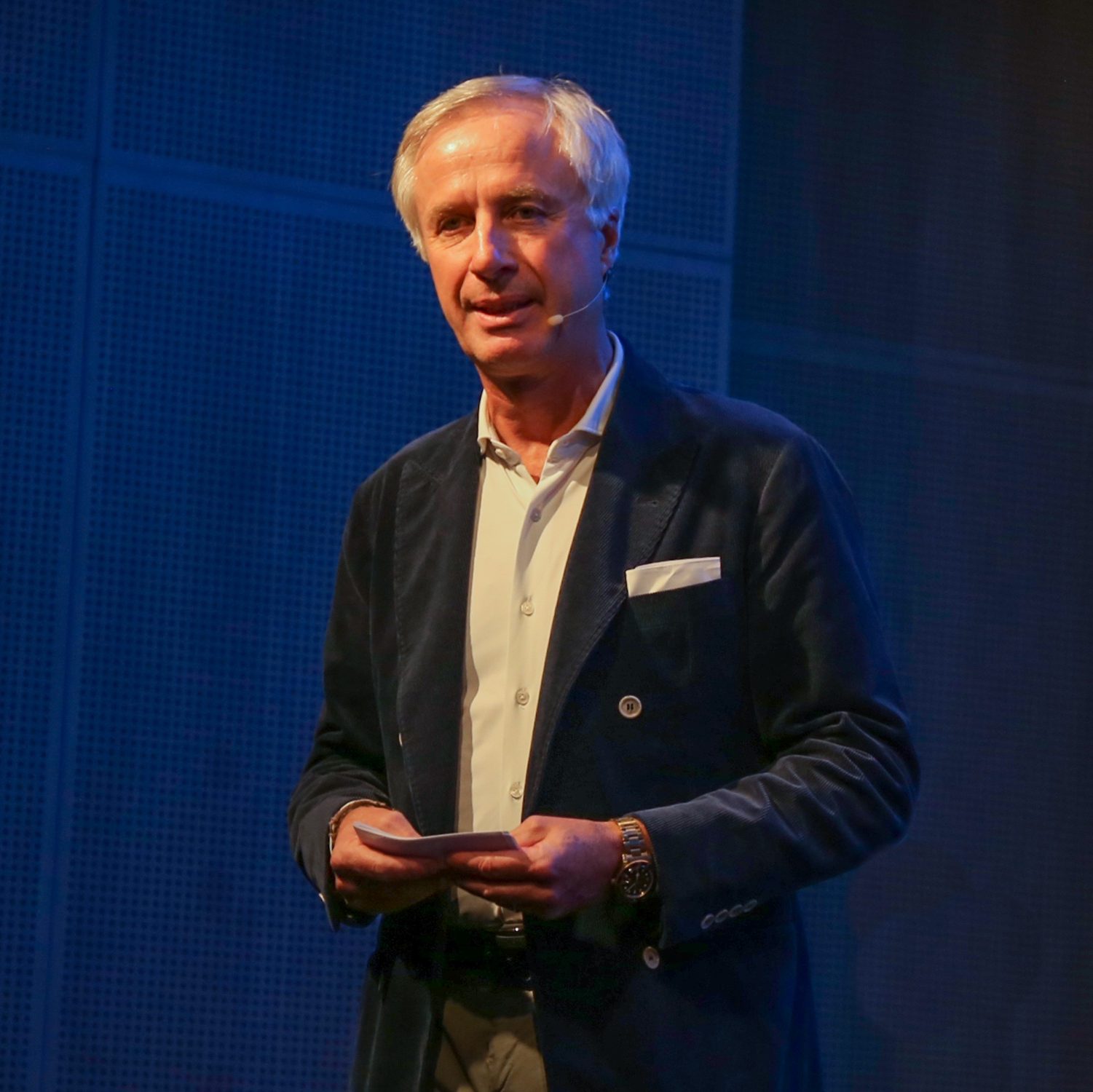
Massimo Sideri then took the floor, explaining the meaning of the name “Odissea Terra,” he pointed out, “We put Odyssey and Earth together because ‘Earth’ reminds us that we need all the scientific, cultural, technological and social knowledge that we have stratified over the millennia to try to deal with these issues of today and remind us that we have a very big responsibility. The other element, “Odyssey,” might seem like a narrative choice but it actually has a much deeper and subtler meaning: it reminds us that we need helmsmen, so people who are experts, who study, who guide us on the journey and help us to avoid becoming imprisoned and following the voices of the sirens.”
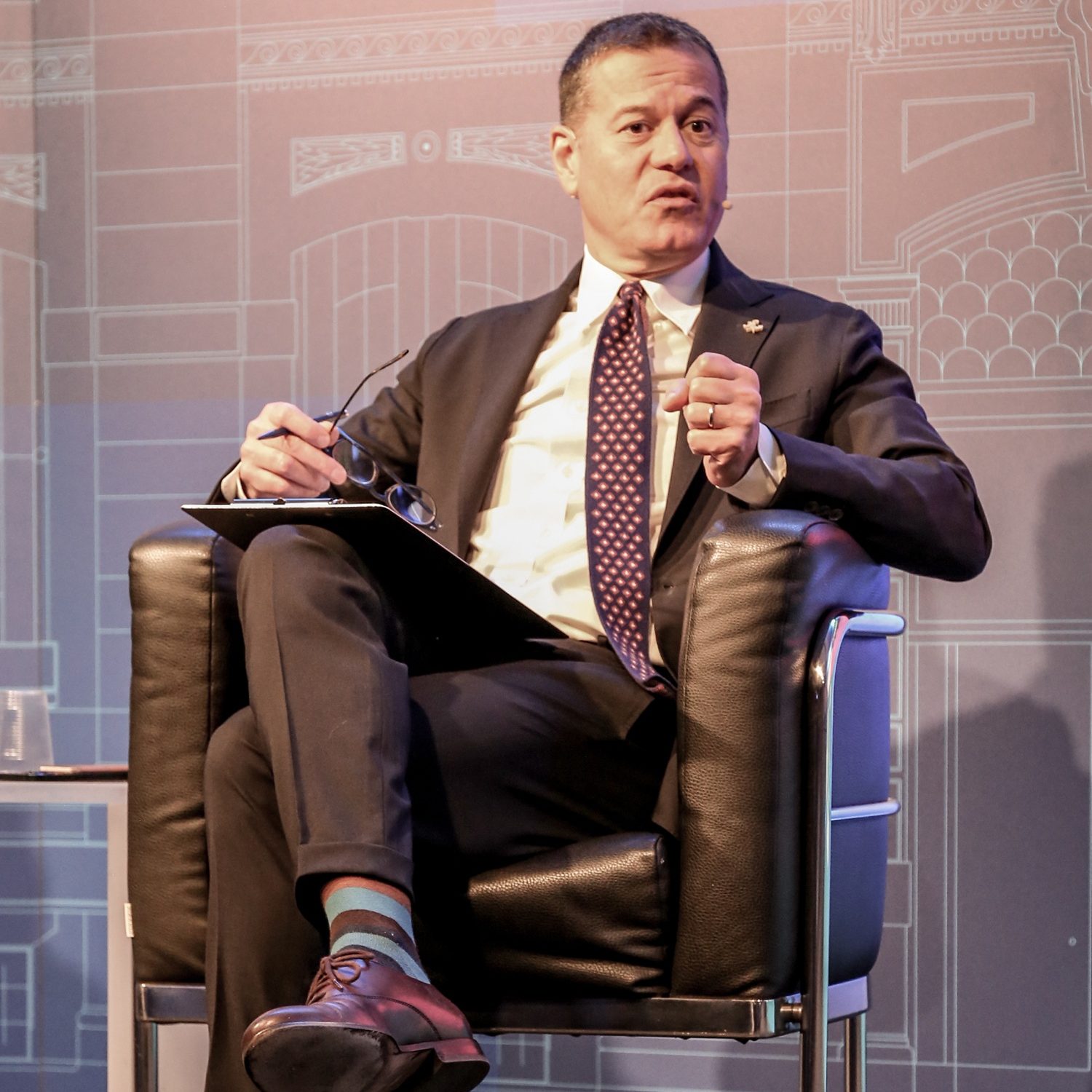
Opening the guest speakers was Alessandro D’Avenia, with a Proem in which he spoke about the anxiety of the unknown contrasted with sustainability understood as “what sustains, in this instant, our lives and which does not fail.” In this regard, he explained how “the Odyssey is the only literary work to which we give the dignity of being synonymous with life. We say that life is an odyssey because we think that it is all adventures by sea that define this great toil of living, and it is nice that this this series of conferences is called Odissea Terra because that is what the Odyssey is all about: it is a journey to one’s own land, but not the land as Odysseus remembers it in the past, but a land that in the present he no longer recognizes and therefore there is a need to recognize-before he himself on that land-that land itself.”
“I like the idea that we can build an education in which kids are helped to feel in the flesh, as their own, what is outside of them.” D’Avenia then continues, “So to become aware that to scar the world is to scar themselves, to scar another is to scar themselves. This strikes me as an interesting challenge, and Ulysses can be our guide to succeed in overcoming it.”
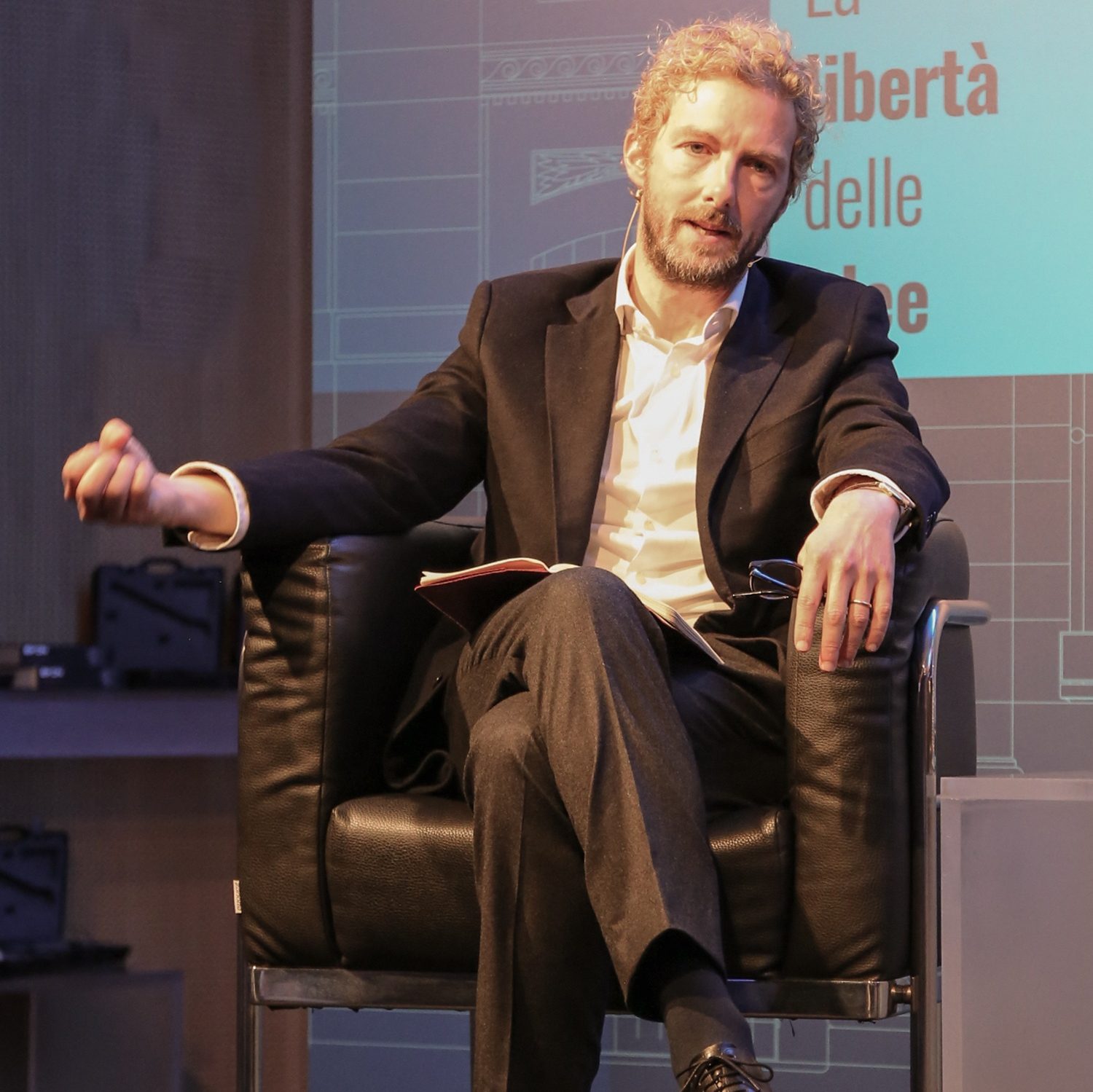
In order to move from the representation of sustainability to facts, Professor Stefano Pogutz spoke, providing numbers and magnitudes related to sustainability capable of representing the severity of the current phenomena. He explained that “every day the equivalent of 500 Colosseums melt in Greenland,” that “in the fast fashion industry, the production of waste put on trucks makes 4.9, or 5 times the circumference of the Earth each year,” but also that “the amount of oil spilled each year is equivalent to 60,000 soccer fields, putting a 1 cm layer of oil,” while “all the plastic that is generated and then thrown away per year can be seen as basically filling Manhattan with a layer of bottles.” These are elements that give a dimension of the limits that are being exceeded. Now more than ever there is a need for a transition where we keep these limits in mind while respecting the conditions, including social conditions, in which we operate.
Sustainability, from the perspective of the Odyssey, puts back at the center the question of “where are we going?” and this is where Ilaria Capua comes in, taking up the theme of the scientifically defined boundaries we are crossing and comparing Earth to the ecosystem of a terrarium. “Our life, our survival, also depends on the health of other animals. I developed this idea of Circular Health, which means that our health depends on what we do as individuals but if that terrarium from which we feed, from which we get the oxygen to live is sick, consequently we will also get sick and therefore we will fail in our self-inflicted responsibility as Homo sapiens.” During her speech, Ilaria Capua then recalled the urgency of taking care of the health of the planet, emphasizing how sustainability is inseparable from human well-being. “Our planet is like a terrarium: each element must be sustained for everything to work. We need to put life and biodiversity back at the center.”
At the conclusion of the meeting, Alessandro D’Avenia wanted to remind us of the difference between optimism and hope: the former is generic, hope, on the other hand, is the small good that can be done because it is within reach. The new generations then are not asking for optimism, but for hope in the sense of understanding what is the limit on which we can act to bring the terrarium back to a livable condition.”
We have not yet returned to Ithaca, but, like Odysseus, the first step is to build the raft. To do so, it was necessary to start with concrete issues. Future meetings will continue this exploration, constantly seeking to generate emotional and intellectual reactions to promote meaningful change.
Learn more about the Odissea Terra project