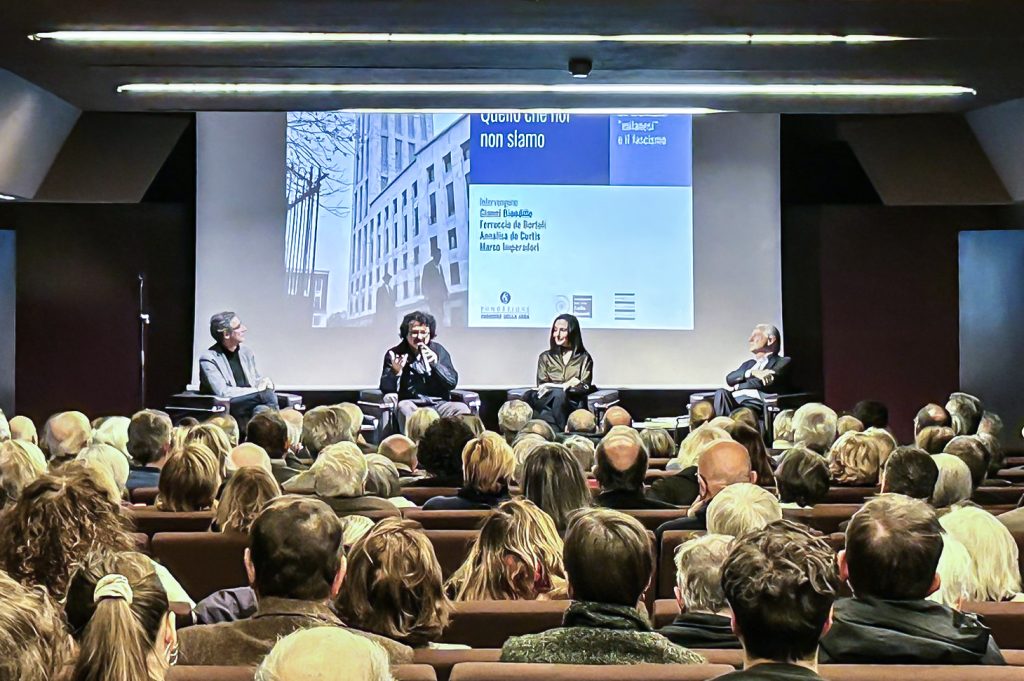
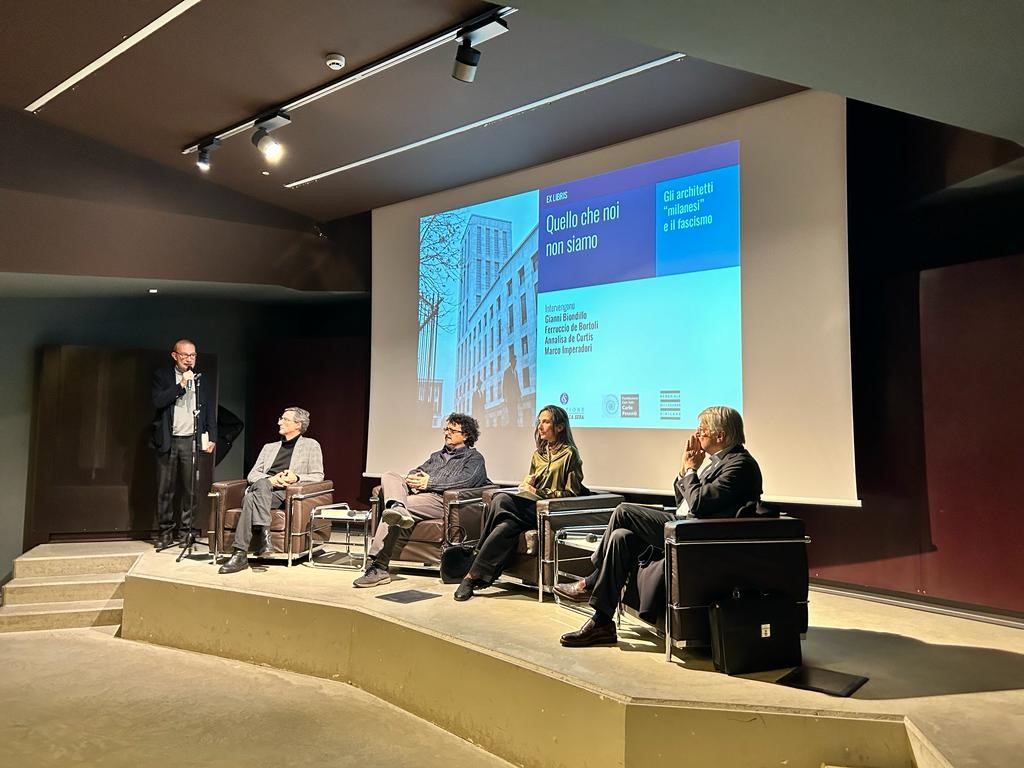
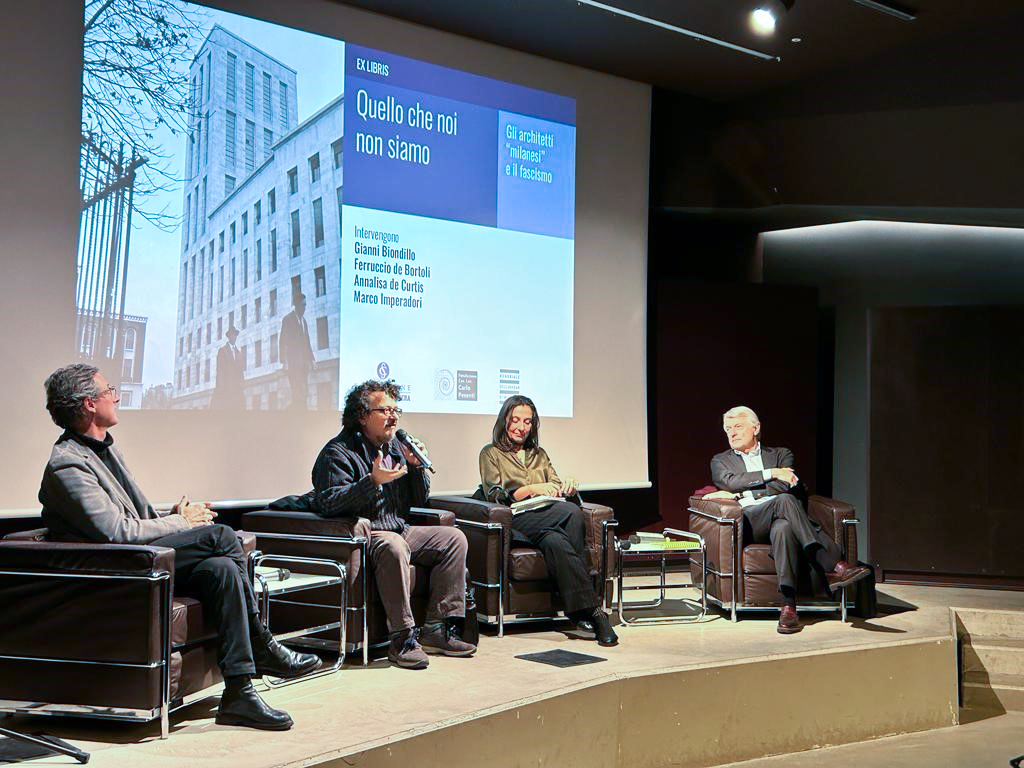
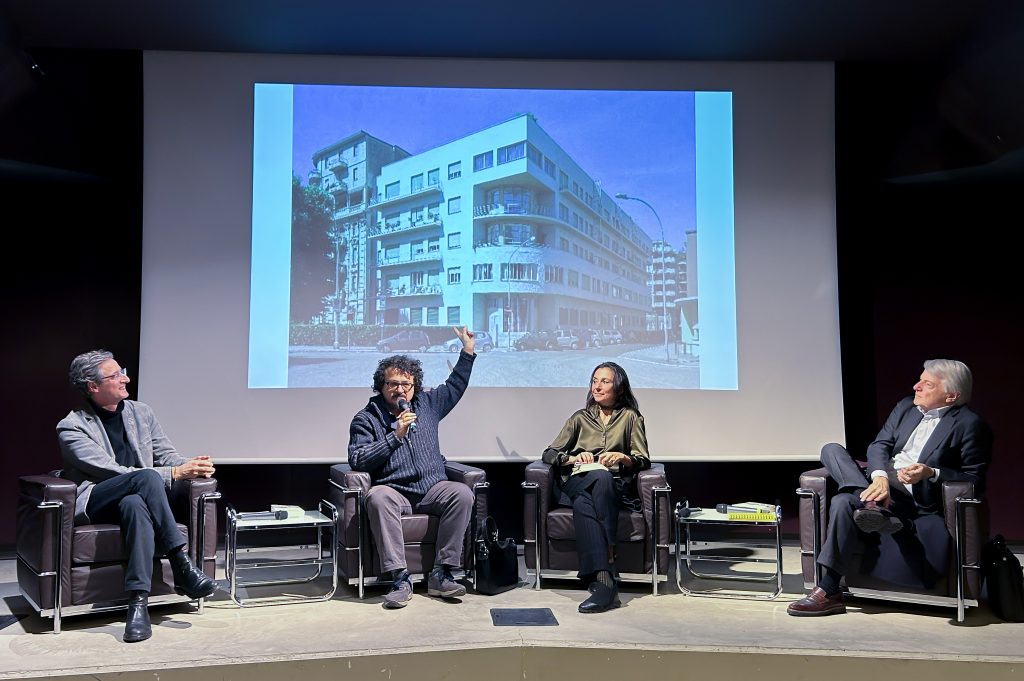
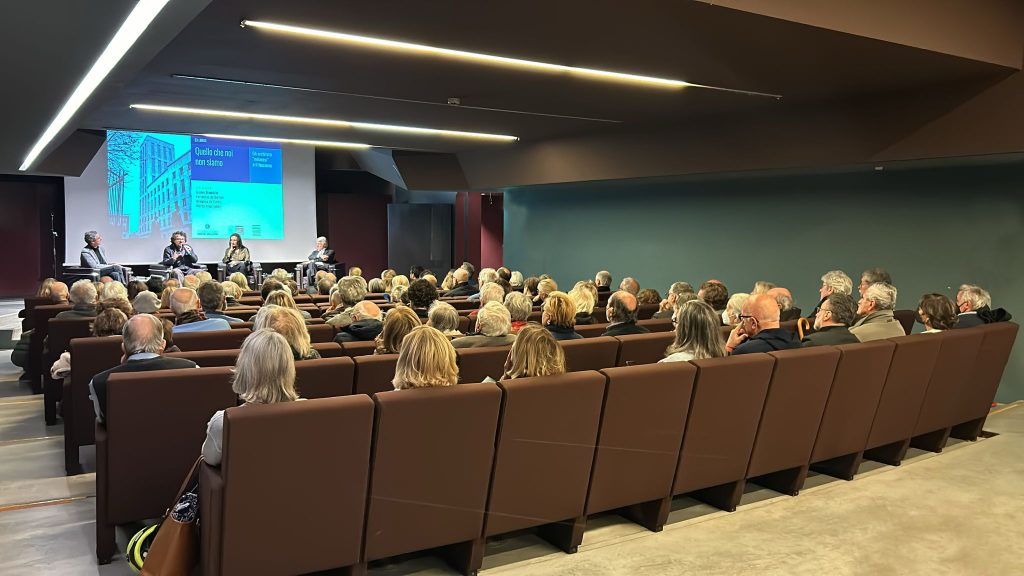
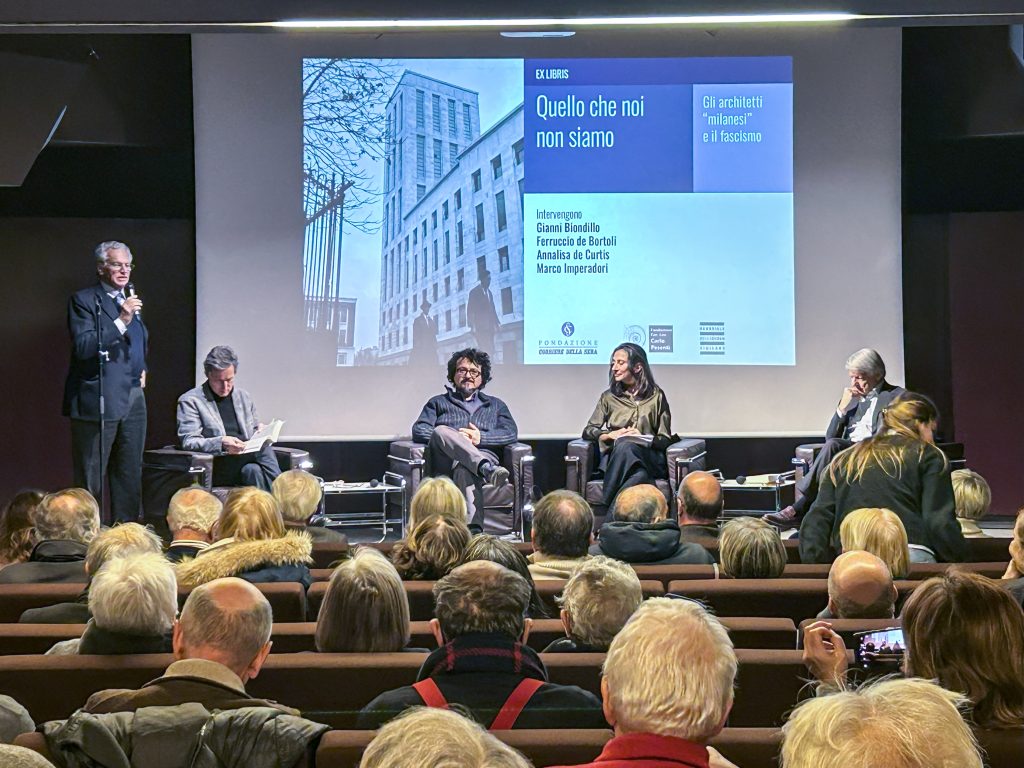
There was a large turnout at the conference QUELLO CHE NOI NON SIAMO. GLI ARCHITETTI “MILANESI” E IL FASCISMO , an event organized by Fondazione Corriere della Sera and Fondazione Pesenti ETS held at the Memoriale della Shoah (Holocaust Memorial) in Milan.
Roberto Jarach, President of the Memoriale della Shoah Foundation, and Marco Vigevani, President of the Events Committee, welcomed the attendees and thanked Fondazione Corriere and Fondazione Pesenti for providing an opportunity to explore a topic beyond the traditional themes of the Shoah, offering instead a broader reflection on key figures and the historical period in question.
“We are also proud to share that this year we have reached 120,000 visitors—an important milestone for a place like the Memorial, which represents a non-traditional type of museum.”
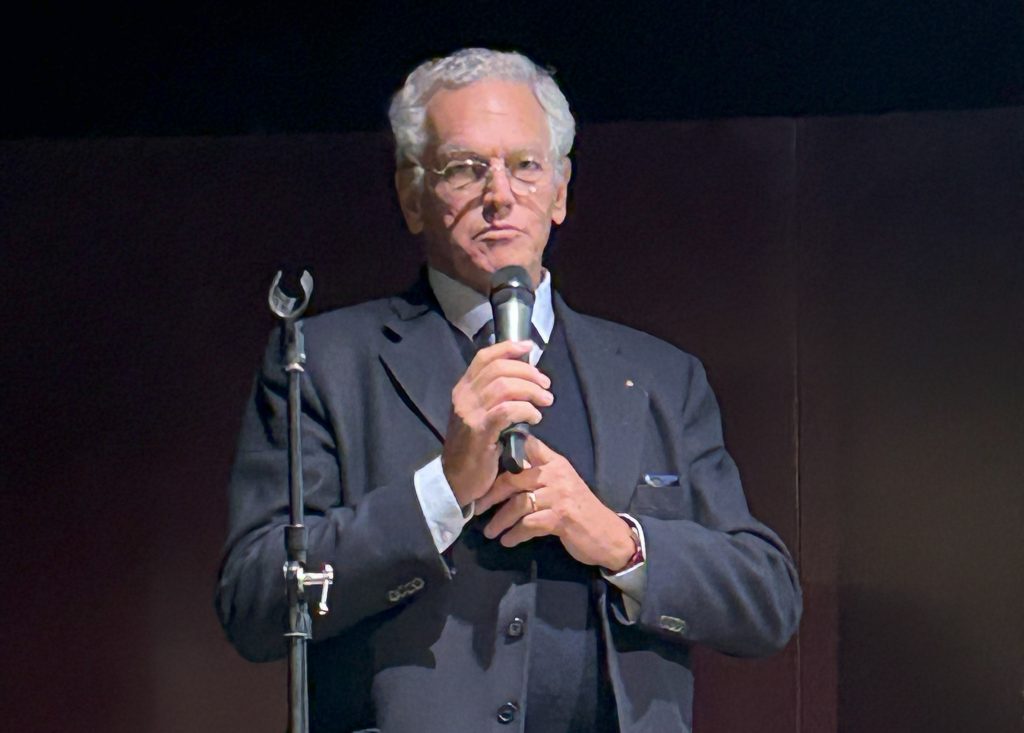
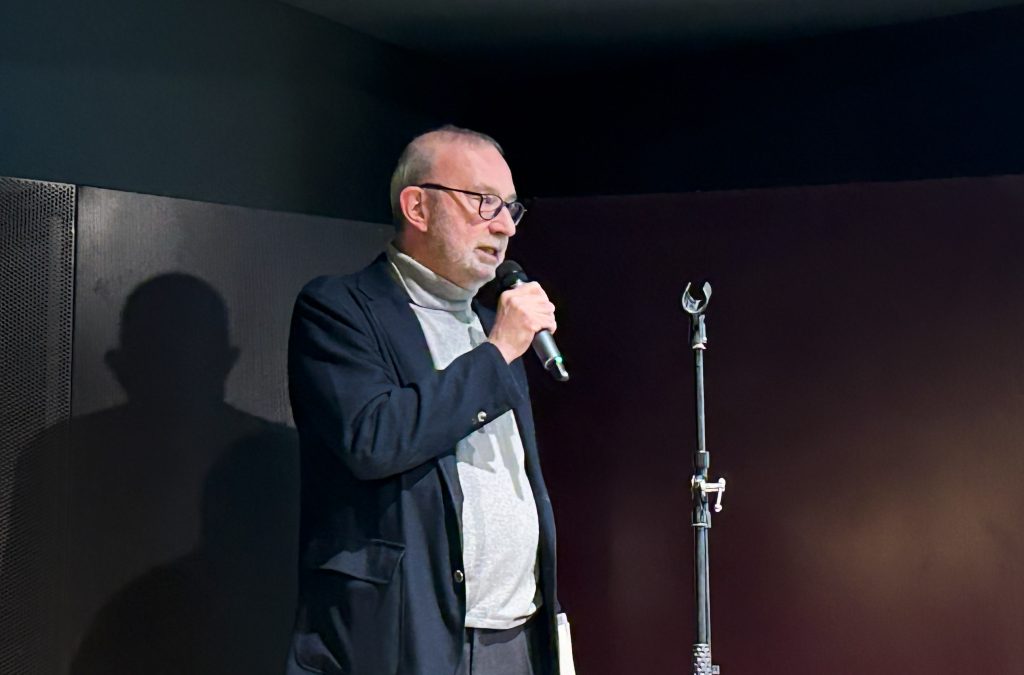
Roberto Jarach and Marco Vigevani
The event opened with remarks by Ferruccio de Bortoli, President of Fondazione Corriere della Sera and Honorary President of the Fondazione Memoriale della Shoah, who emphasized the ongoing risk posed by the allure of dictatorships: “Gianni Biondillo’s book tells the story of young people seduced by the illusion of change, of a new movement, which ultimately leads to the racial laws. The author helps us understand how easily people become accustomed to authoritarian regimes, and how seductive the illusion of a power that promises security and protection at the cost of freedom can be. These kinds of narratives are a civic antidote—they help us resist societal drift, prevent indifference, and teach us how to interpret the present.”
Marco Imperadori, Full Professor of Architectural Design and Technological Innovation at the Politecnico di Milano and member of the Board of Fondazione Pesenti, addressed the author:
“This is an anthological novel, the result of thorough research, where the author deeply identifies with the characters he describes.”
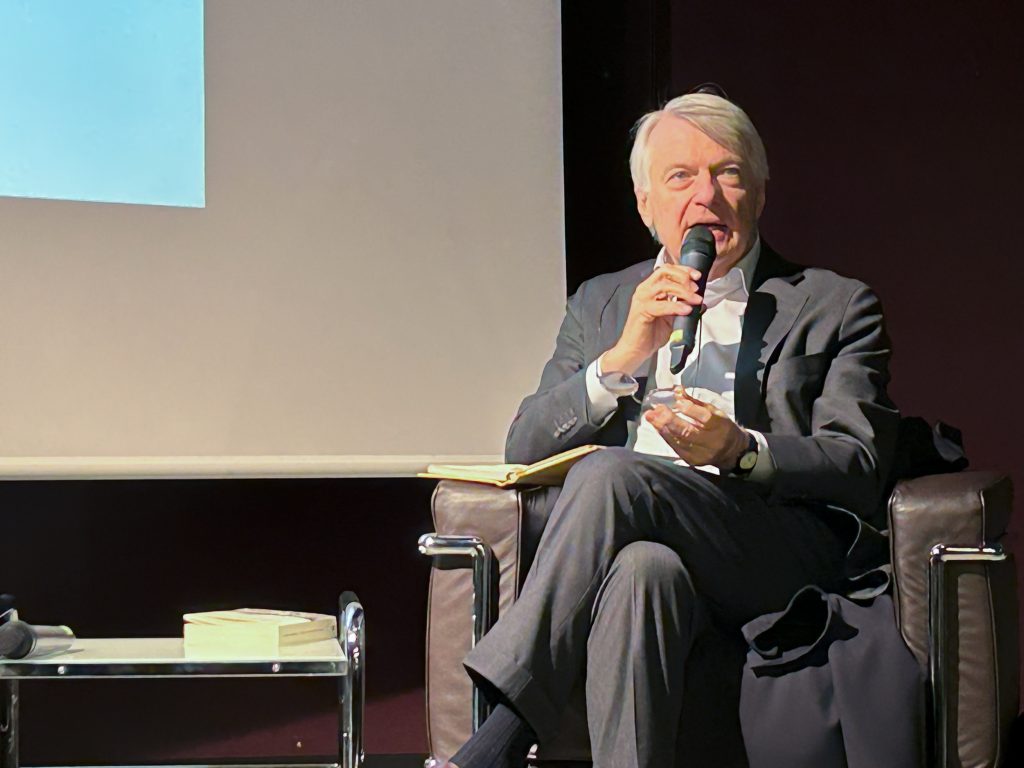
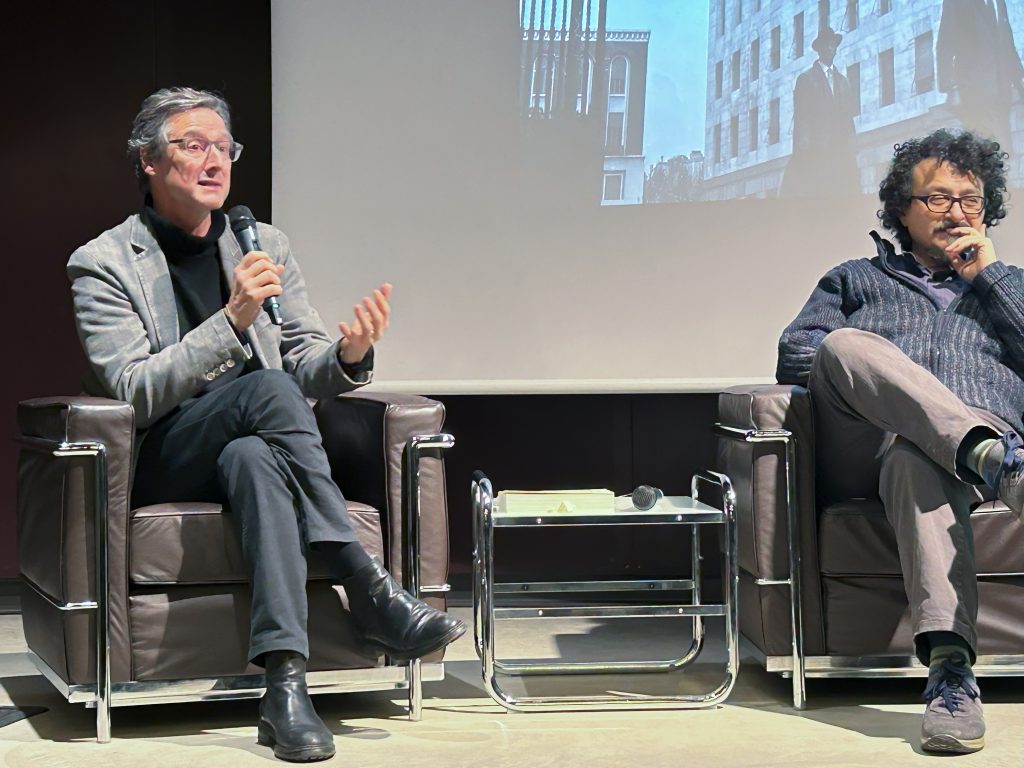
Ferruccio de Bortoli and Marco Imperadori
Gianni Biondillo, architect and writer: “It’s a choral novel—there is no true protagonist. It’s a vast portrait of the nation. I could have focused on any profession; I chose architects because this story has haunted me since my university days,” he jokes. Giuseppe Terragni, Giuseppe Pagano, and Ernesto Nathan Rogers were intellectuals comparable to figures like Primo Levi and Elio Vittorini, yet far less known.
Unlike other intellectuals, the architect must always engage with power, with the regime. An architect either builds or ceases to be an architect. Giuseppe Terragni, for instance, was a genius—rigid and uncompromising—he never gave in to formal concessions. In fact, he was the only one who never built anything in Rome. These are the stories I wanted to tell.” He closed with a striking remark:
“To explain fascism to my children, I told them that the opposite of fascism is not communism, but democracy.”
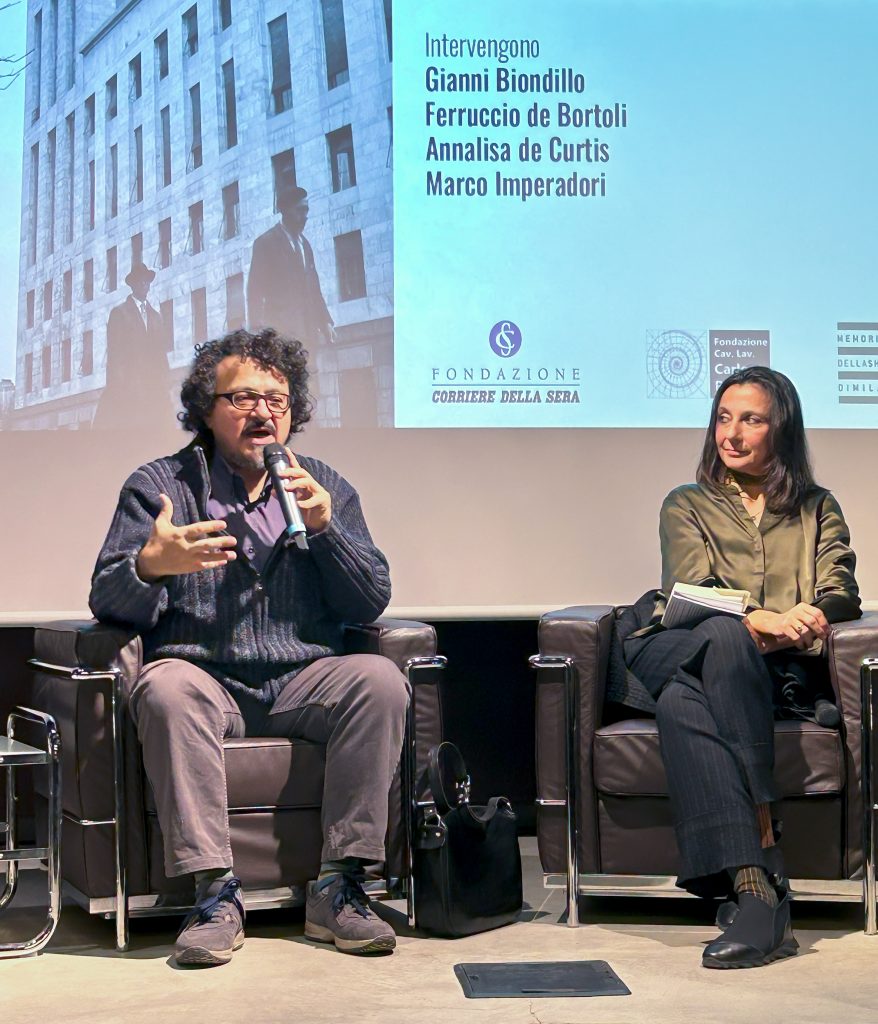
Gianni Biondillo
Annalisa de Curtis, architect and co-designer (with Guido Morpurgo) of the Memoriale della Shoah,. “Quello che noi non siamo” is a vital reflection for our times—an era when we often reason in terms of belonging. This book goes beyond history. The question I asked myself while reading it was: who am I to interpret history?
An architect, like a writer, writes—but through forms. That responsibility is part of our work. Yet I understood that we must go beyond history to rebuild memory, to move past our own sense of belonging.
Memory is both reconstructed and constructed. It means complementing history with personal stories—life stories. These are stories of young people who embrace what they believe to be a revolution. When their ideals begin to crumble, they experience a crisis of illusions—a moment of transformation, a search for a way out.” ”.
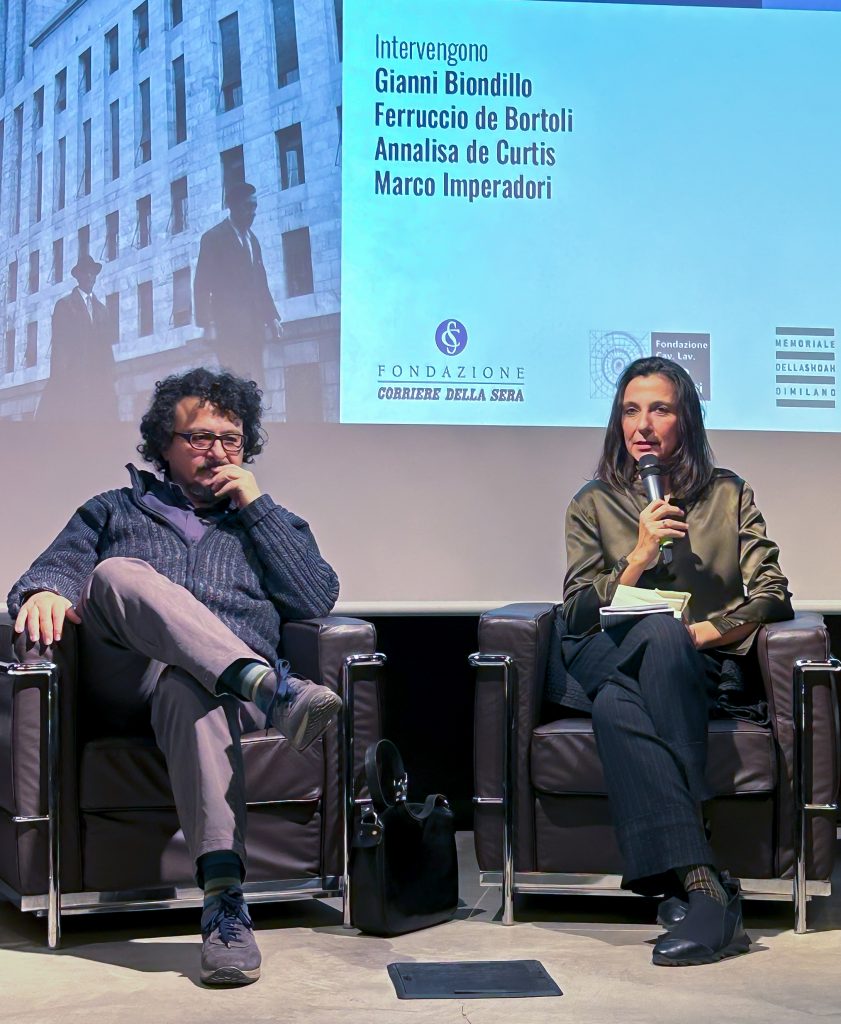
Annalisa de Curtis
VIDEO