Smart cities, the challenge of the future: “But people are at the center.” The work of the University of Bergamo and Harvard takes center stage in the discussion promoted by Fondazione Pesenti.
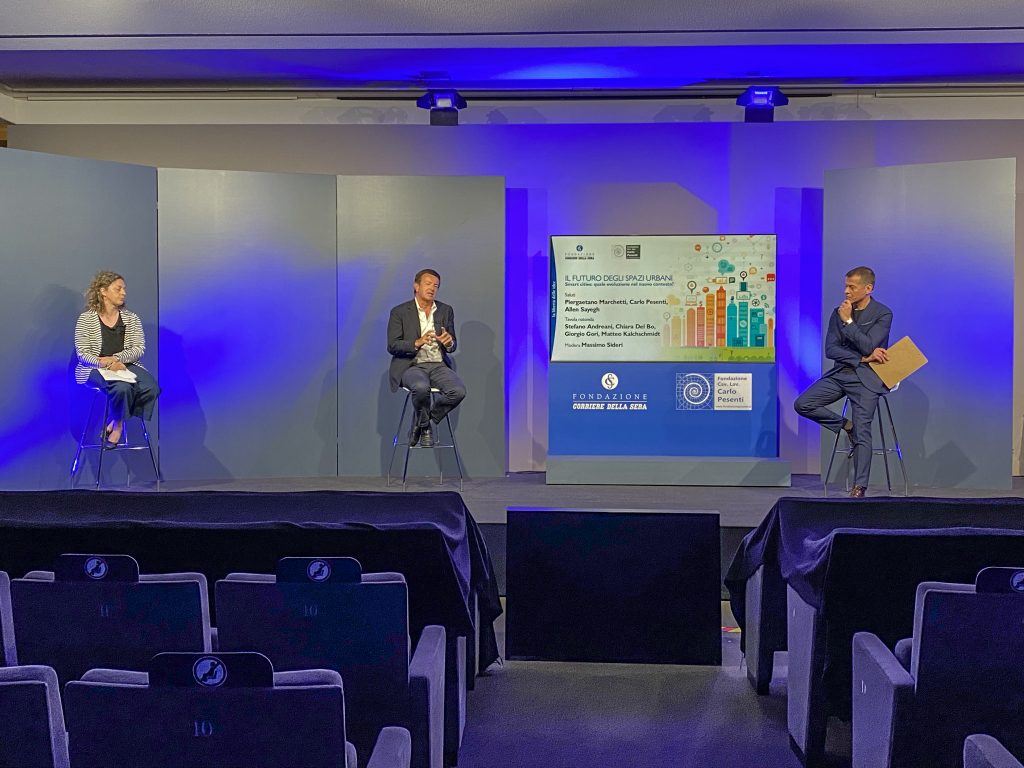
July 1, 2021 – “THE FUTURE OF URBAN SPACES. Smart cities: what evolution in the new context?” This was the theme of the event promoted on June 29 by Fondazione Pesenti and Fondazione Corriere della Sera, broadcast online on dedicated platforms to ensure maximum visibility while fully respecting the current protocols.
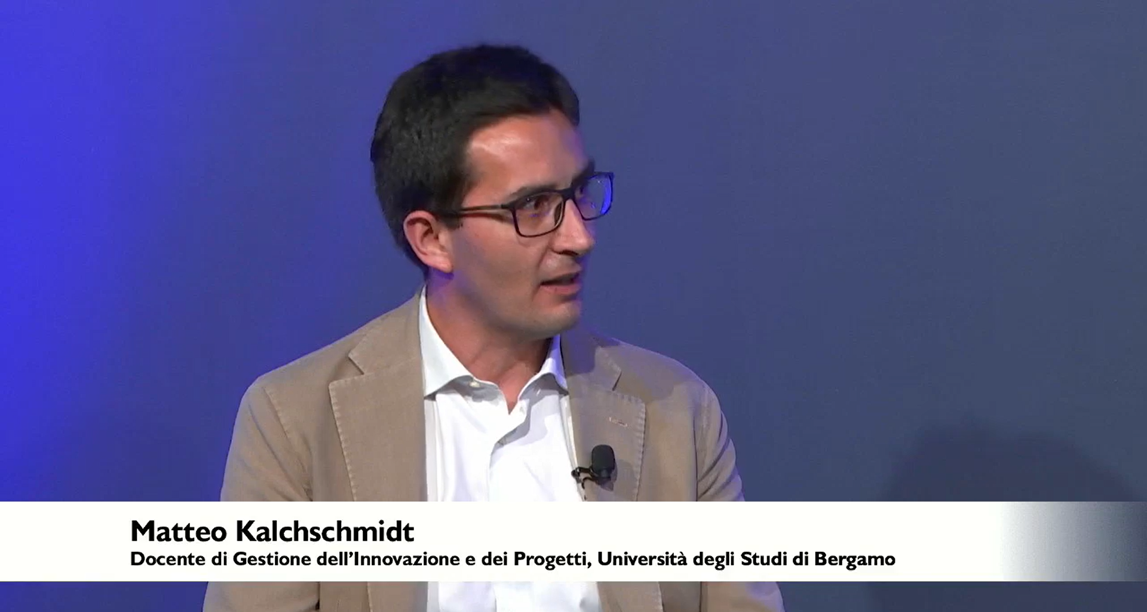
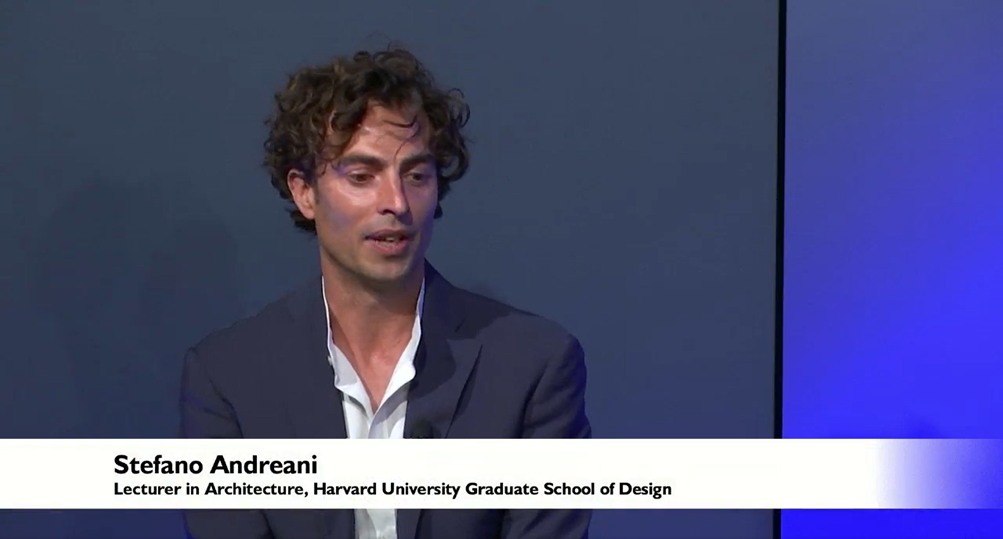
Speakers included: Piergaetano Marchetti, President of Fondazione Corriere della Sera; Allen Sayegh, Professor in Practice, Harvard University Graduate School of Design; Stefano Andreani, Lecturer in Architecture, Harvard University Graduate School of Design; Chiara Del Bo, Professor of Economics, Management, and Quantitative Methods, University of Milan; Giorgio Gori, Mayor of Bergamo; Matteo Kalchschmidt, Professor of Innovation and Project Management, University of Bergamo, along with several former students who participated in the collaborative project between Harvard’s Graduate School of Design and the University of Bergamo. The event was moderated by Massimo Sideri, Editorialist for Corriere della Sera.
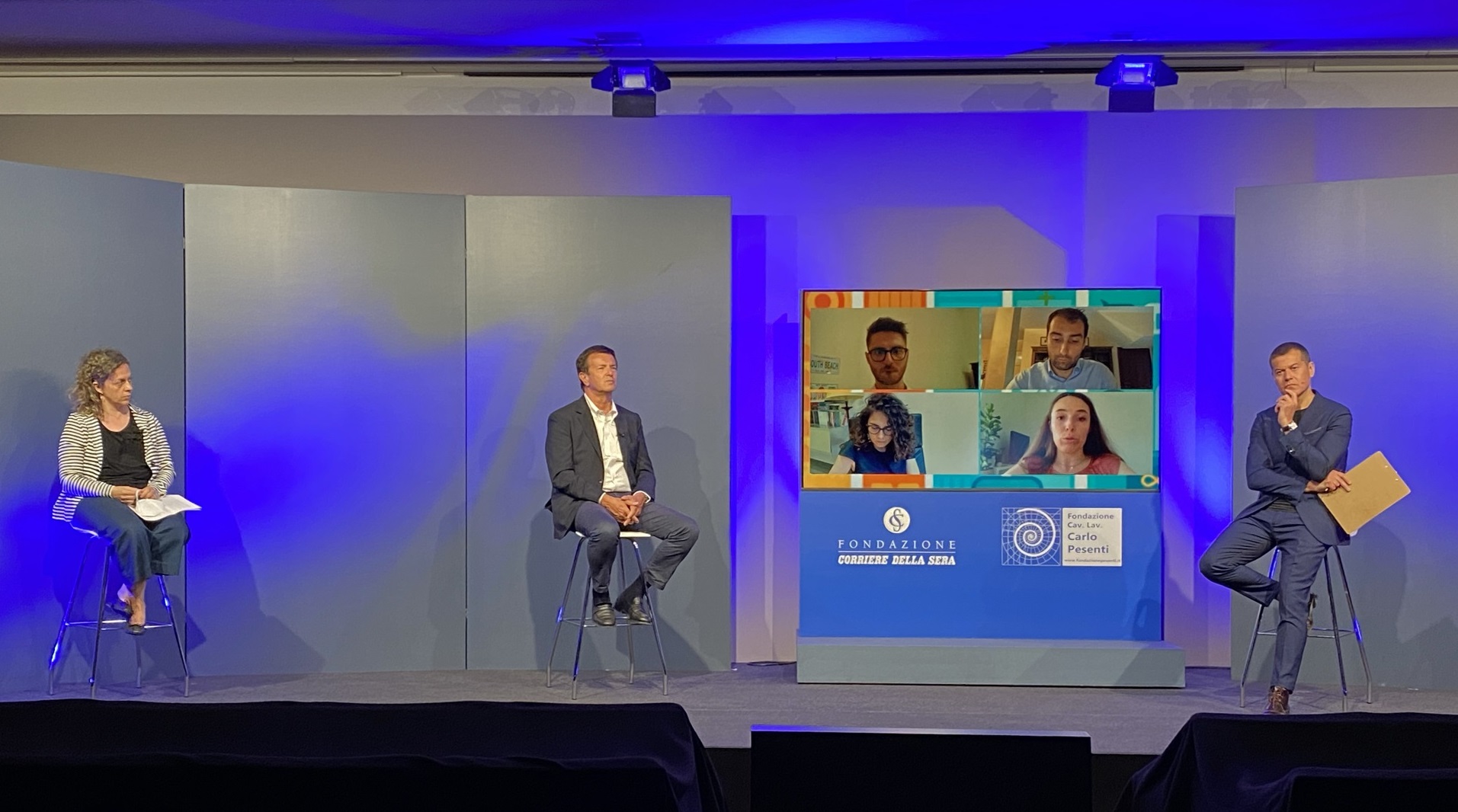
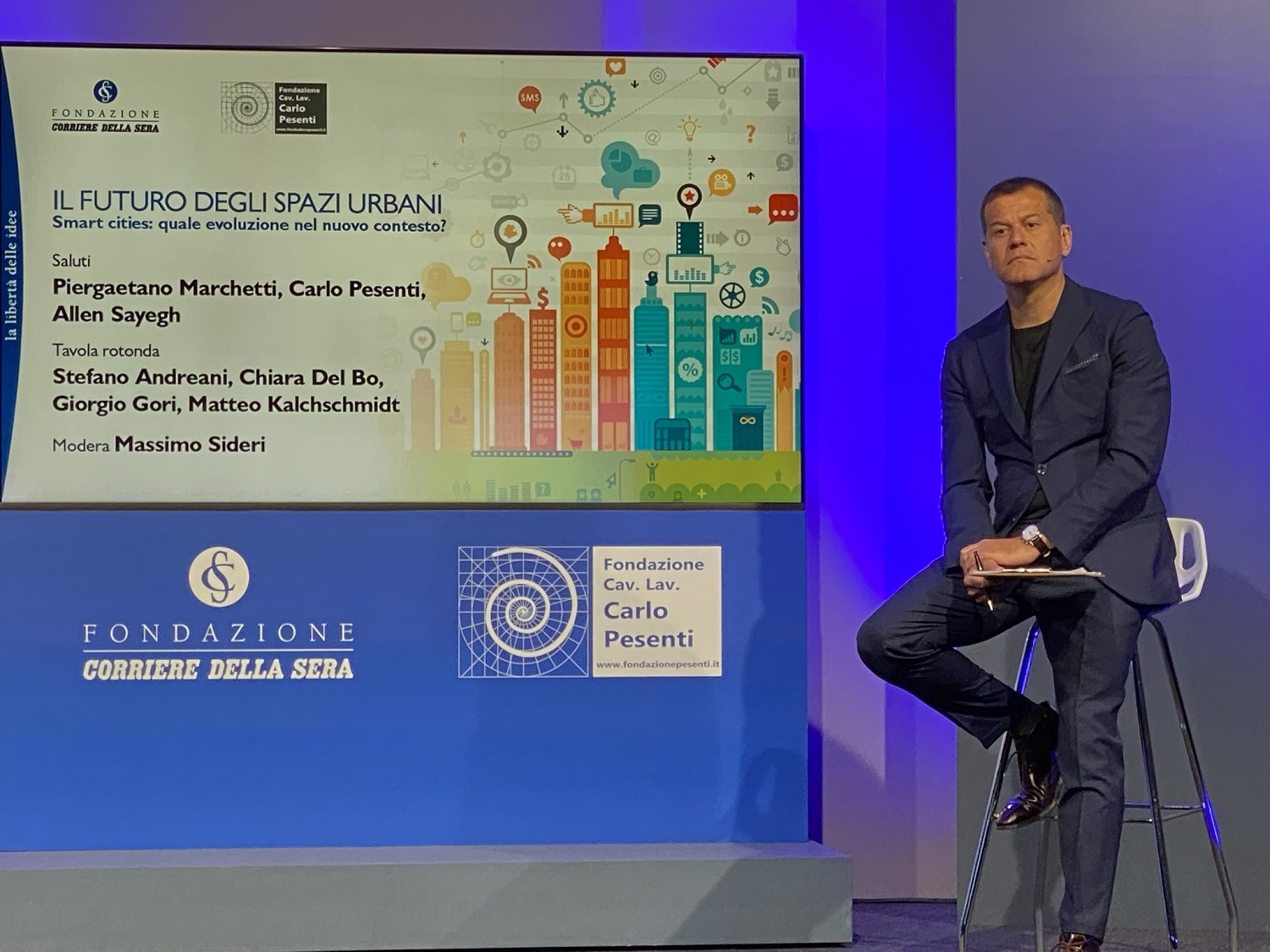
Massimo Sideri, Editorialist, Corriere della Sera
The University of Bergamo and the prestigious U.S. university Harvard have been working for seven years on a joint project focused on the (technological and non-technological) future of urban spaces, encapsulated in “Responsive Environments – An interdisciplinary manifesto on design, technology and the human experience”, a publication that collects student work and reflections from leading figures in academia and the economy. The initiative, supported by Fondazione Carlo Pesenti, was presented yesterday in collaboration with Fondazione Corriere della Sera.
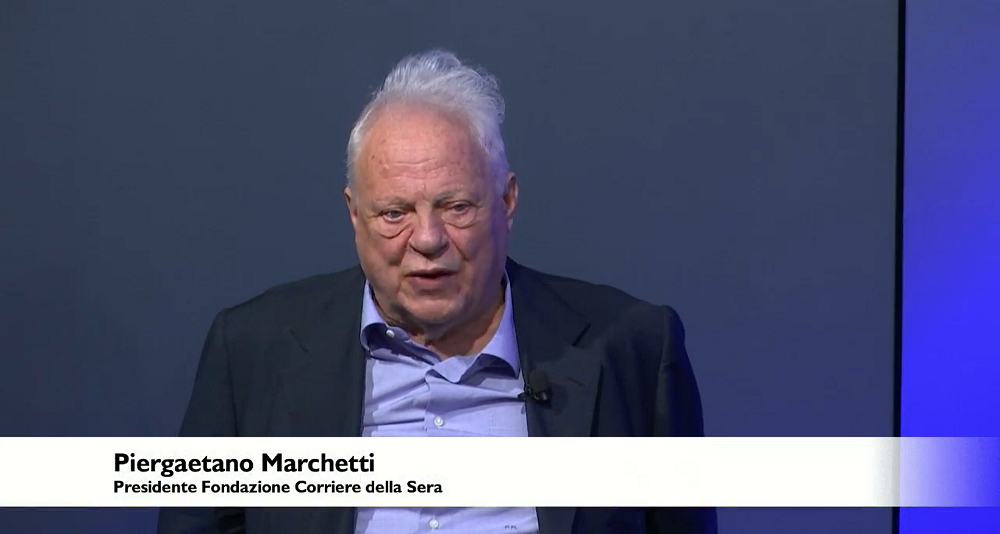
“Technology must serve human beings,” explained Massimo Sideri, editorialist for Corriere della Sera, introducing the remarks by Piergaetano Marchetti, who stated:
“We won’t emerge from situations like the pandemic with cities that become inhuman,”
and by Allen Sayegh, Harvard professor, who recalled the collaboration with the University of Bergamo and highlighted two cornerstones: multidisciplinarity and social innovation.
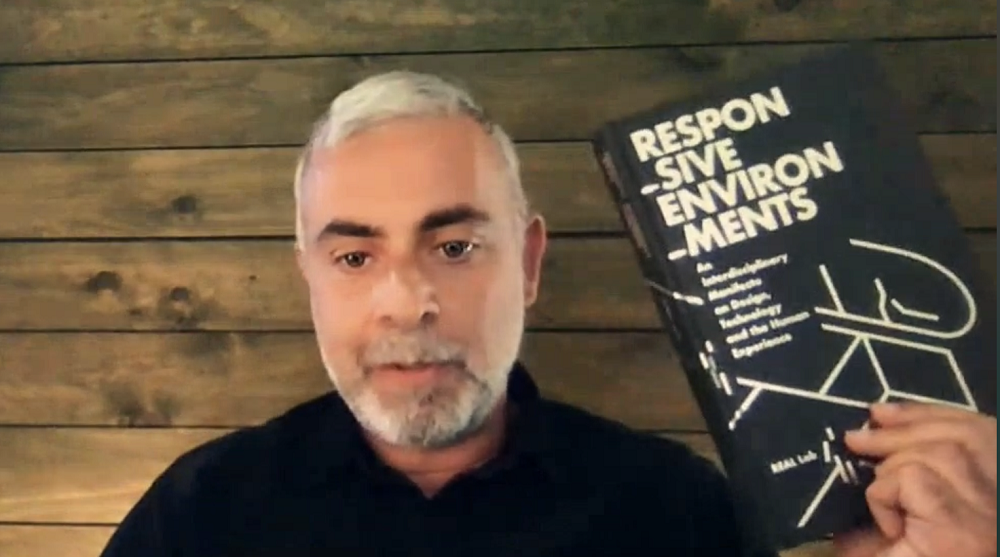
Allen Sayegh, Harvard professor
“We must start with people at the center; technology will follow,” said Stefano Andreani of the Harvard Graduate School of Design.
“A critical approach to the smart city is needed—technology must be a driver of urban systems.”
“Bergamo is an excellent prototype of a mid-sized European city with a history worth enhancing: creating a smart city in such a context means thinking not only about physical spaces but also about social ones, and thus about people,”
added Matteo Kalchschmidt, Vice-Rector of the University of Bergamo.
“But be careful—innovation cannot be imposed from above.”
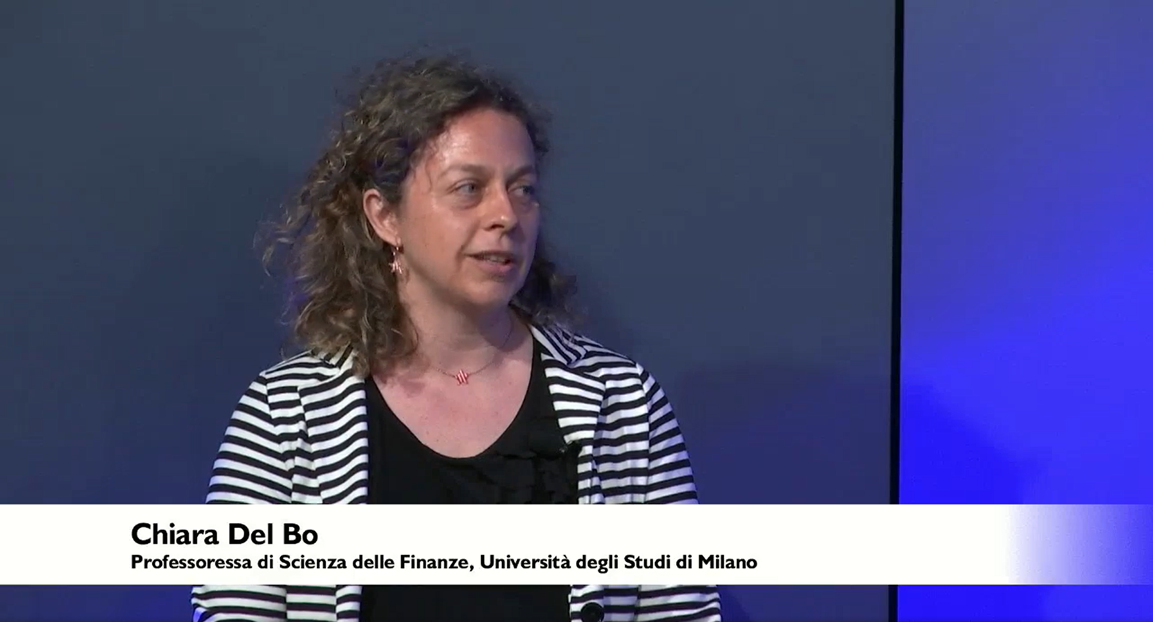
A point echoed by Chiara Del Bo, Professor of Public Finance at the University of Milan:
“A smart city isn’t one that just declares itself so and invests only in technology.”
The key remains “quality of life.” Everything “must start by treating technology as a means, not an end.”
That is, it should not be big tech suppliers who “set the goals, but politics.”
And this must be done “holistically, not in a fragmented way.”
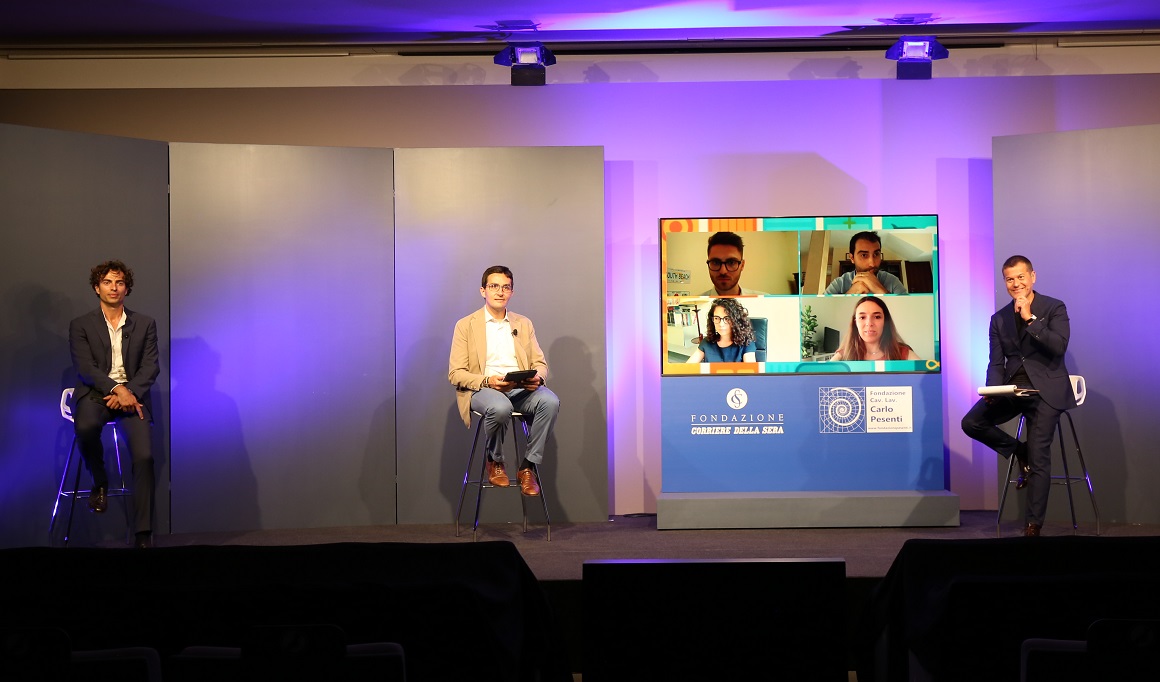
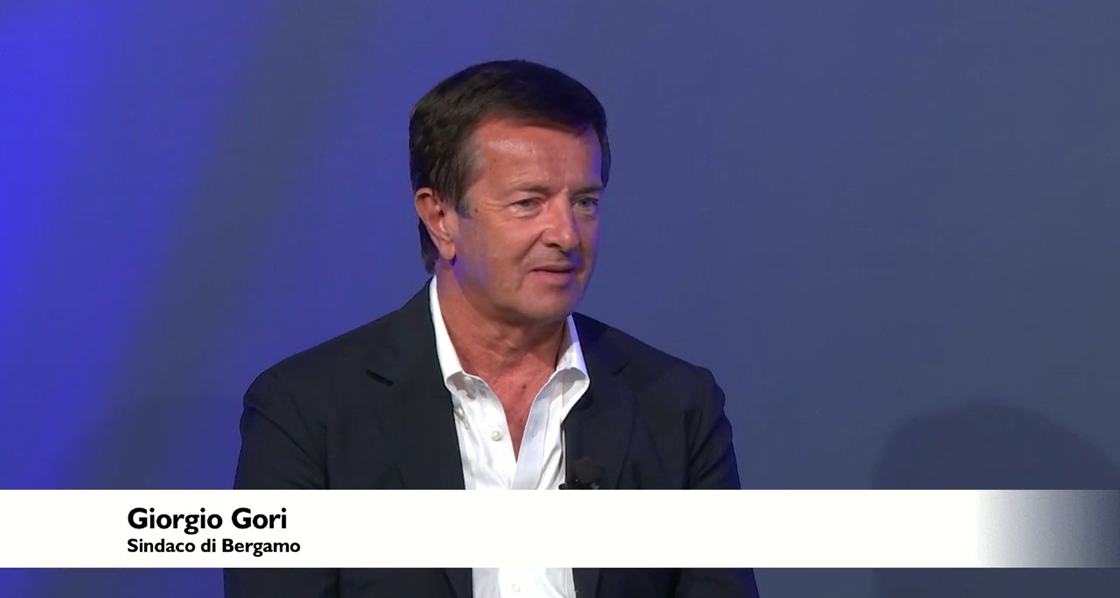
Giorgio Gori, Mayor of Bergamo, concluded the event:
“The new factor is that technology enables society to adapt: Covid led us to think differently, starting with the use of public spaces.”
On the role of politics, he agreed: “It must not abdicate its role.”
He emphasized the need to face future challenges with a focus on “demographics and inclusion,” and expressed hope that
“some ideas developed by the two universities could be implemented to see how they work. Bergamo is well-suited to becoming a place of experimentation.”
Several former students who took part in the collaboration between Harvard’s Graduate School of Design and the University of Bergamo also contributed to the discussion with the administration and academic institutions.
Elisa Saccenti, Enrico Signorelli, Maria Gromachenko, Francesca Cesarini, and Stefano Terranova raised important topics and questions:
“What challenges will cities like Bergamo face in the future regarding social inclusion?”
“What impact has the pandemic had on the use of digital technologies, and what opportunities can be seized to stimulate economic recovery?”
“With a completely disruptive event like the pandemic, how should systems for managing urban spaces and services be rethought? Likely within a different scenario whose cornerstone must be sustainability.”
They also issued strong messages and concrete proposals:
“Placing the individual at the center and focusing on quality of life and citizen participation (a pillar of our work), how can we increasingly involve citizens in proactive ways in making strategic decisions?”
“It is necessary to rethink spaces so that they are less rigid and more flexible. It would be desirable to move from ‘city users’ to ‘city lovers.’ Cities must reinvent themselves—not merely host users who interact with them instrumentally for work, but attract people from a social, cultural, and livability perspective.”
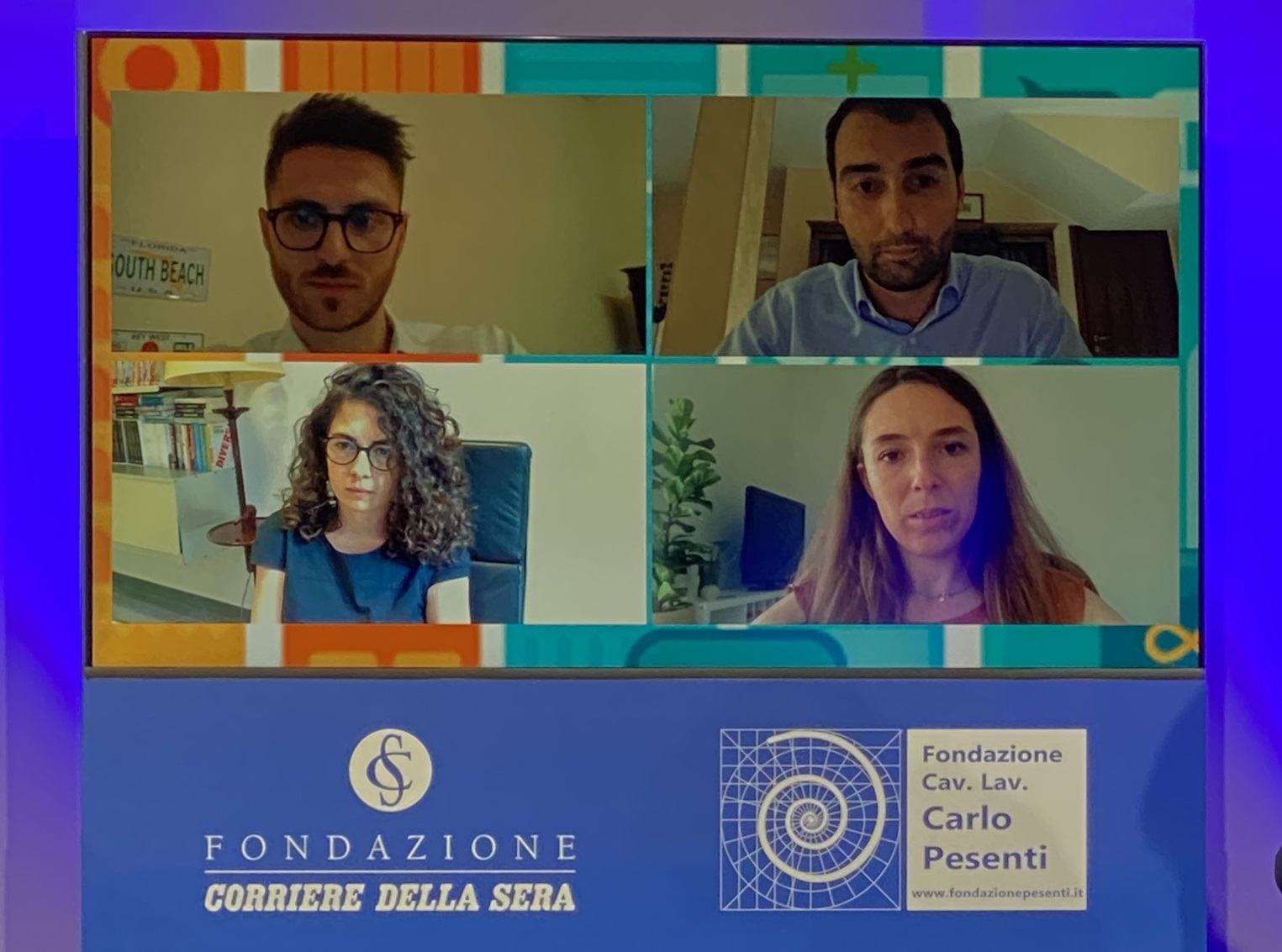
Enrico Signorelli, Stefano Terranova, Elisa Saccenti and Francesca Cesarini

Maria Gromachenko
INSIGHTS
www.bergamo2035.it | www.gsd.harvard.edu | research.gsd.harvard.edu/real/
L’Eco di Bergamo 30 06 2021 | Corriere della Sera (piede)
VIDEO