Are cryptocurrencies merely a commodity-currency, yet another financialization of the real economy, or do they represent an inevitable evolution of an increasingly fluid and interconnected world?
Are they tangible proof that computers and sophisticated artificial intelligences are providing less manipulable and more secure systems, or, on the contrary, are they a tool easily used by those who wish to evade controls and rules?
Questions, analysis, and commentary from a still-developing world, aiming to understand whether a threat or an opportunity is lurking in the new globalized world.
Milan, March 15, 2018 – What are the positive aspects and potential risks of the cryptocurrency system, in a context where users are exponentially growing, but at the same time doubts are multiplying about sudden crises of confidence and liberalization of monetary systems? These were some of the main themes of the Fondazione Pesenti conference, dedicated to the topic of digital currencies.
The 2018 edition of the conference was held in Milan, marking the start of an important collaboration with the Fondazione Corriere della Sera. This initiative aims to promote a series of meetings on current affairs, in alignment with the renewed mission of Fondazione Pesenti. A mission particularly focused on innovation—supporting and promoting initiatives aimed at the creation of new enterprises with significant social impact, especially those driven by younger generations.
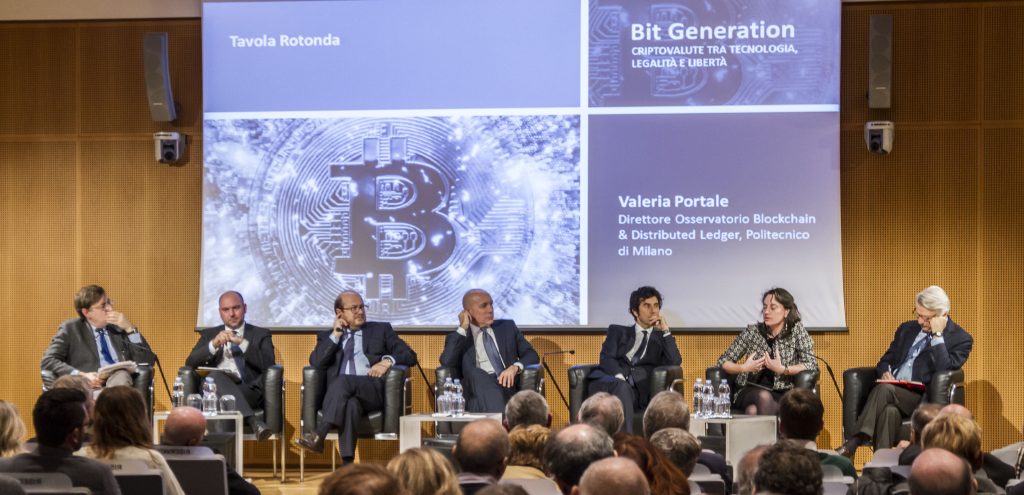
The conference aimed to analyze the “Bitcoin phenomenon” in its ambiguous fluctuation between profit-driven euphoria and frustration over missed investments, between the praise of a new perspective and condemnation for its possible illegal implications. The discussion also extended to the blockchain—the “virtual rails” on which cryptocurrency runs—exploring how this new horizontal vision could serve as a disintermediating force and with what consequences.
Leading figures in the field were invited to discuss the topic, examining its potential impact on key areas ranging from the economy and civil values to the role of the state and the ability to shape economic policy through monetary control.
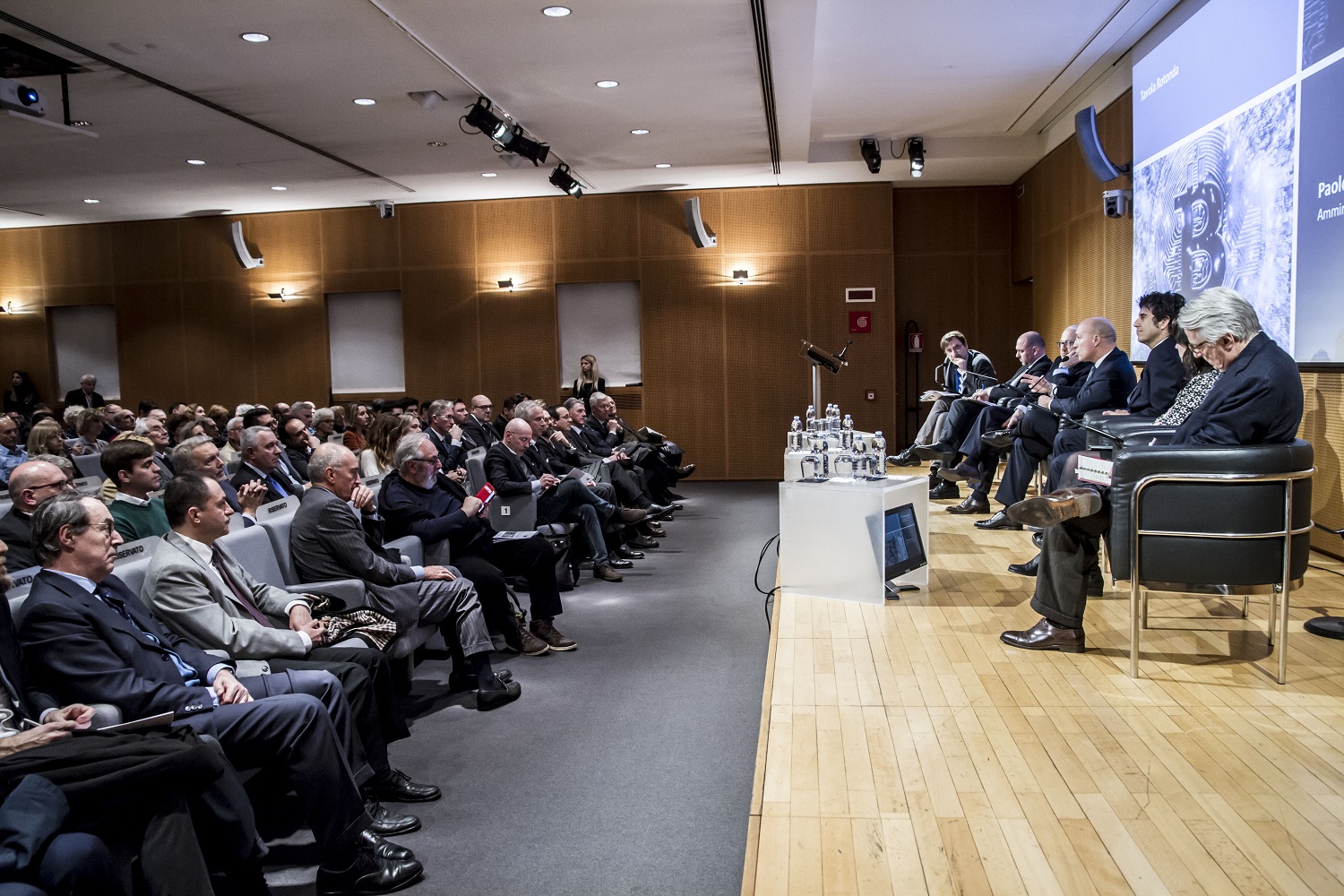
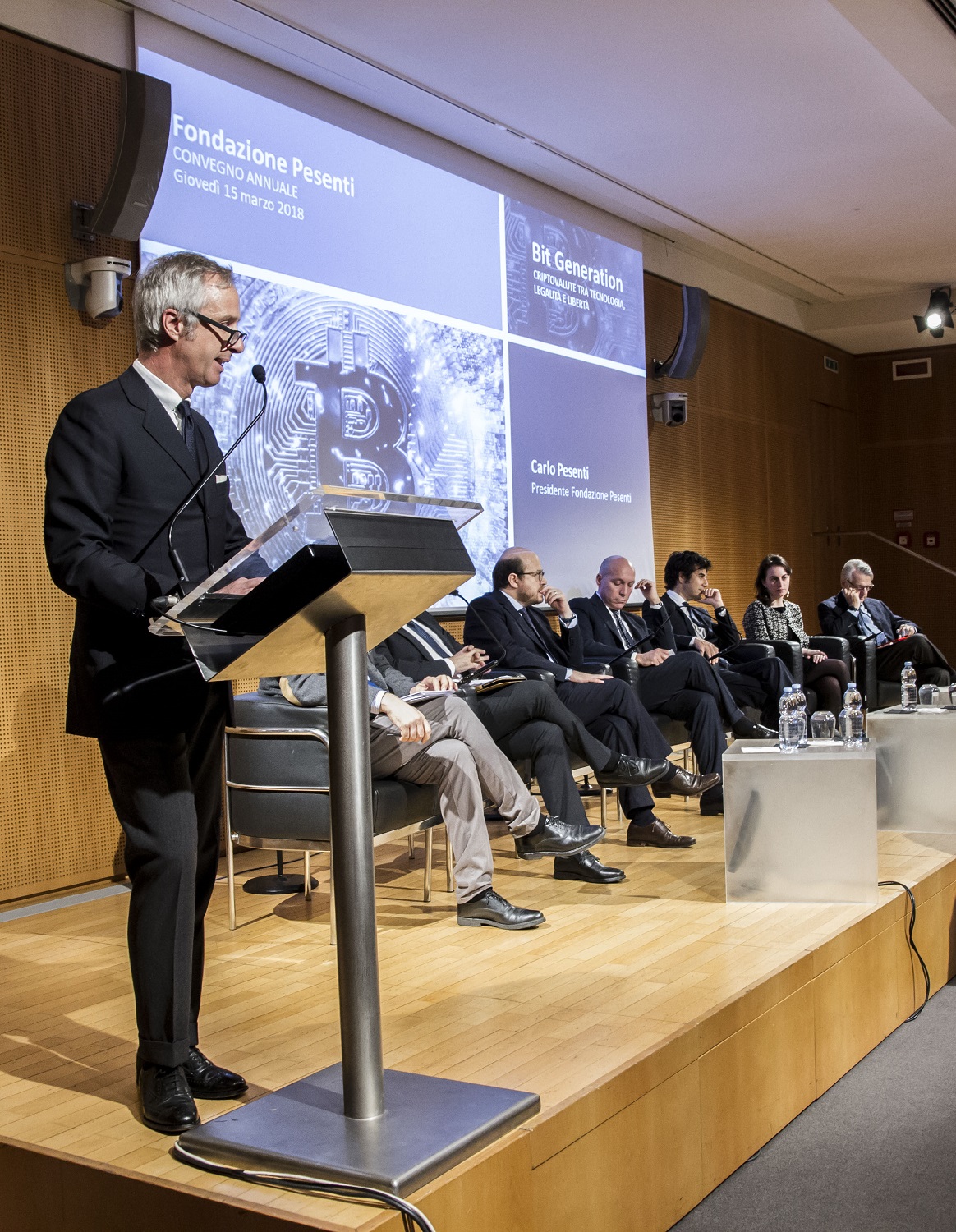
The debate, moderated by Nicola Saldutti, Head of the Economics desk at Corriere della Sera, was opened by Carlo Pesenti, who delivered greetings from Piergaetano Marchetti, President of Fondazione Corriere della Sera:“Fondazione Pesenti continues its tradition of addressing, through its annual conference, crucial themes concerning today’s and tomorrow’s economic and social life. This alignment of interests with Fondazione Corriere is a natural foundation for a collaboration that we hope will develop regularly. Thanks once again to Ing. Pesenti, to the Foundation, to the distinguished guests, and best wishes for a productive event.”
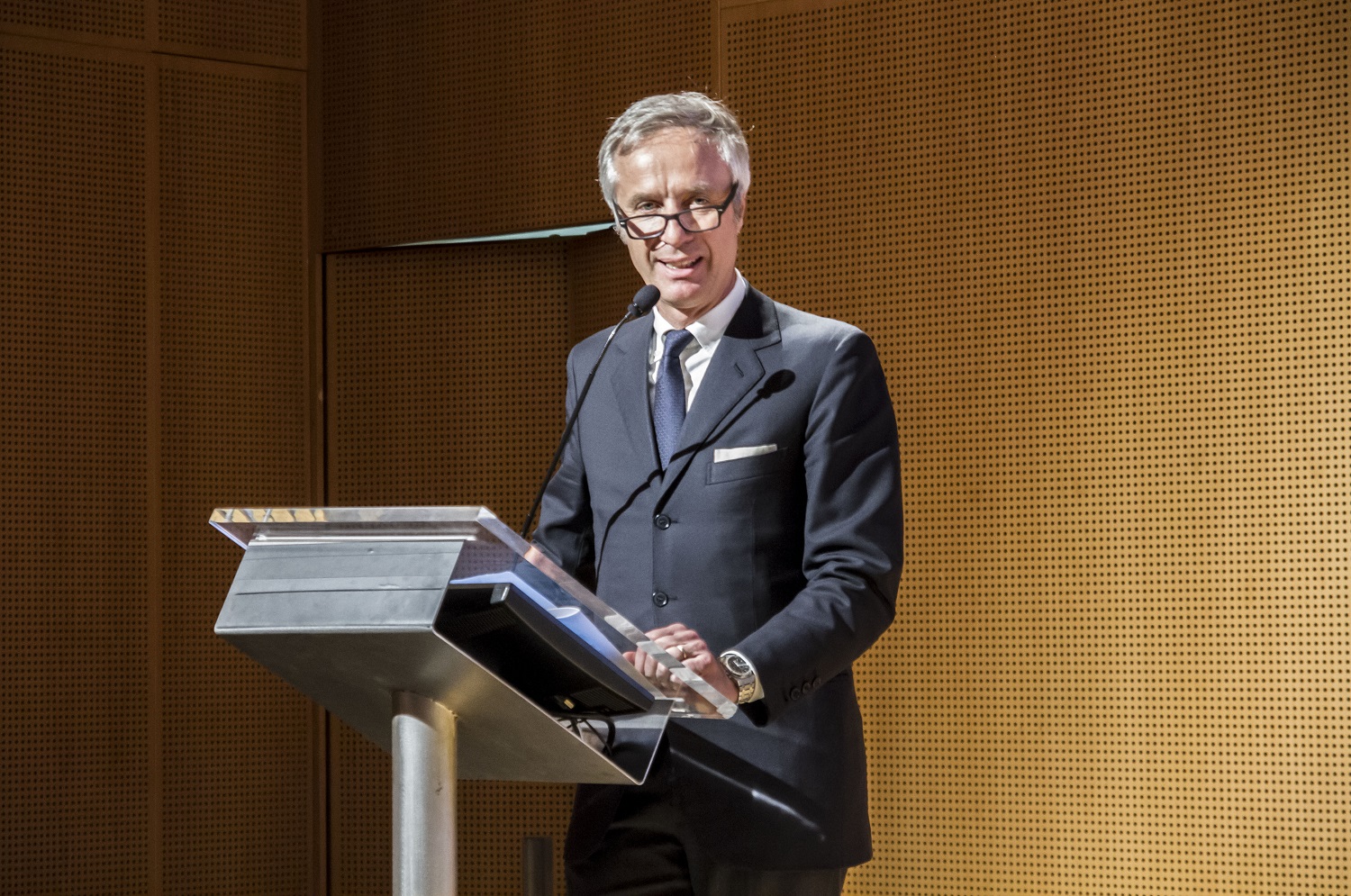
Carlo Pesenti, President of Fondazione Pesenti:
“Over the years, the Foundation has launched and supported many cultural, educational, and charitable initiatives,” emphasized Pesenti, who is also CEO of the holding company Italmobiliare SpA. “Recently, our efforts have strengthened collaborations with both Italian and international universities to benefit new generations, steering toward impact investing programs—solutions that address major social challenges in a sustainable way. Among our most closely followed initiatives is our annual conference, which this year, for the first time, is held in Milan, in this ‘home’ that has always served as a pillar of democracy in the country ”.
Nicola Saldutti began by saying:
“Bitcoin has existed for nearly 10 years, and we are still questioning its impact. The term itself combines the meanings of information and currency, raising big questions: What is the value of information as a predictive tool for purchasing behavior? Do these cryptocurrencies pose a threat to credit cards?”
“Also, what’s the difference in speculative approach between those who invest in bitcoin and those who follow traditional methods—‘in and out of the trading floor’—which still play a critical role in funding the real economy?”
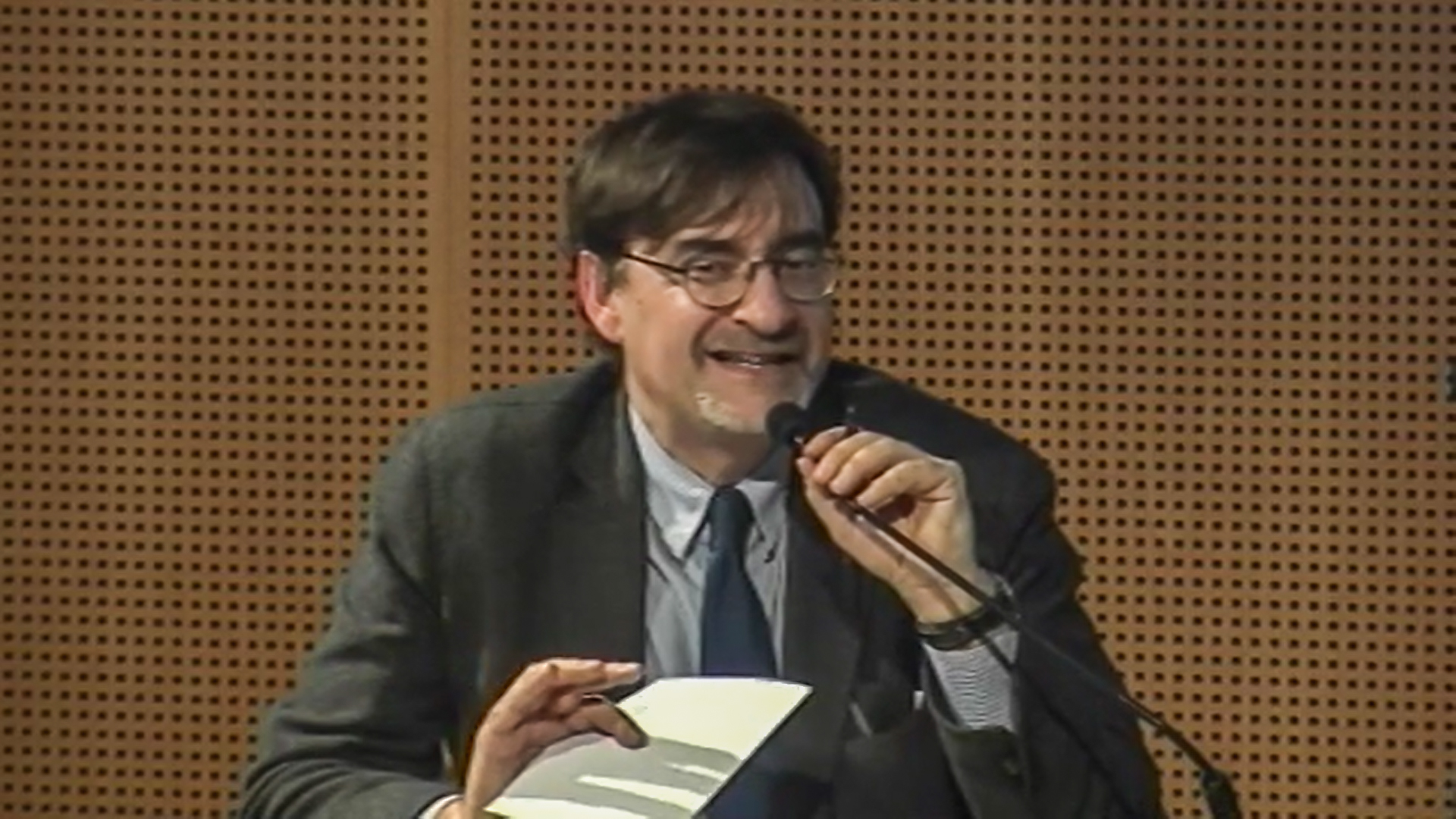
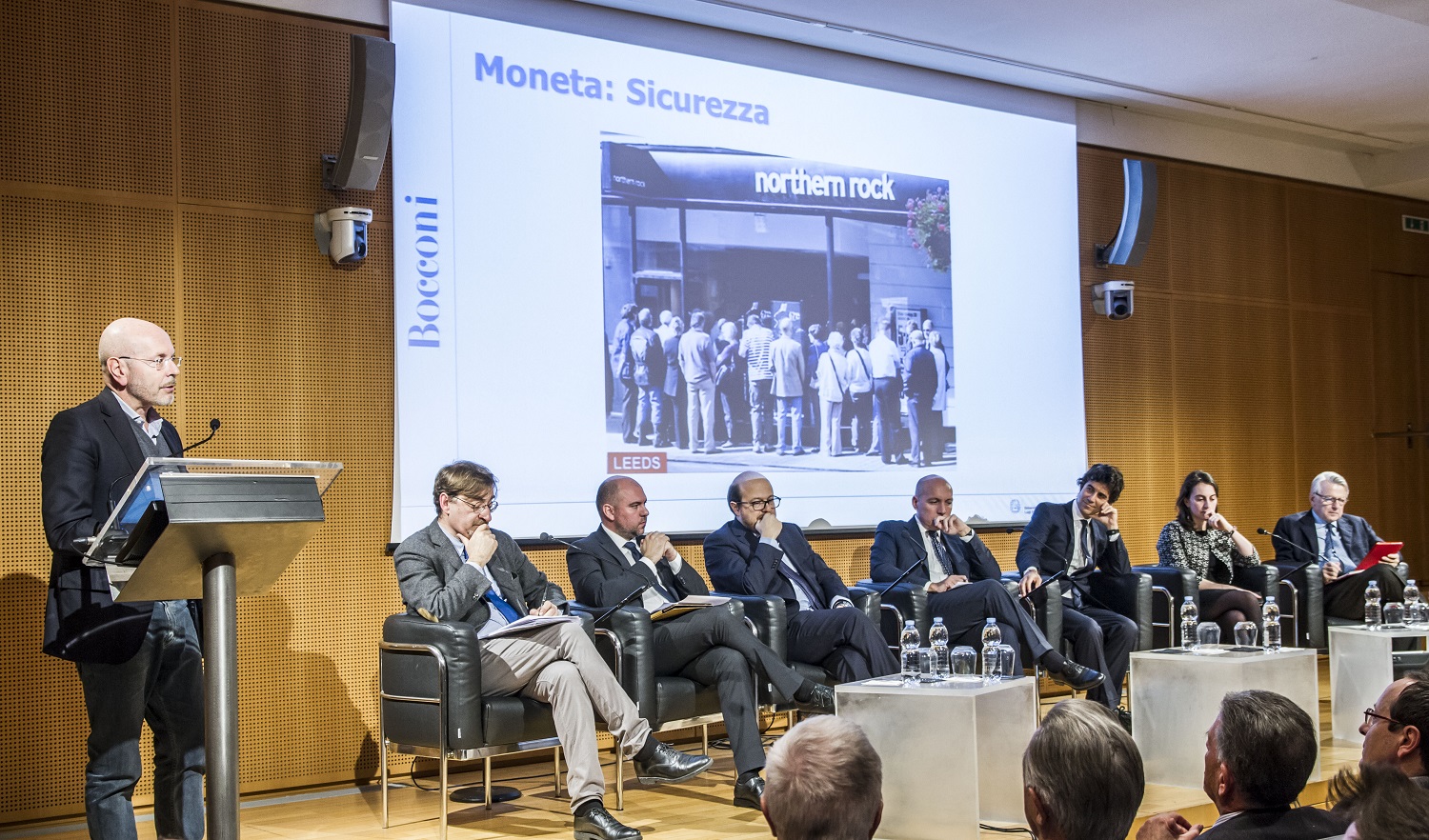
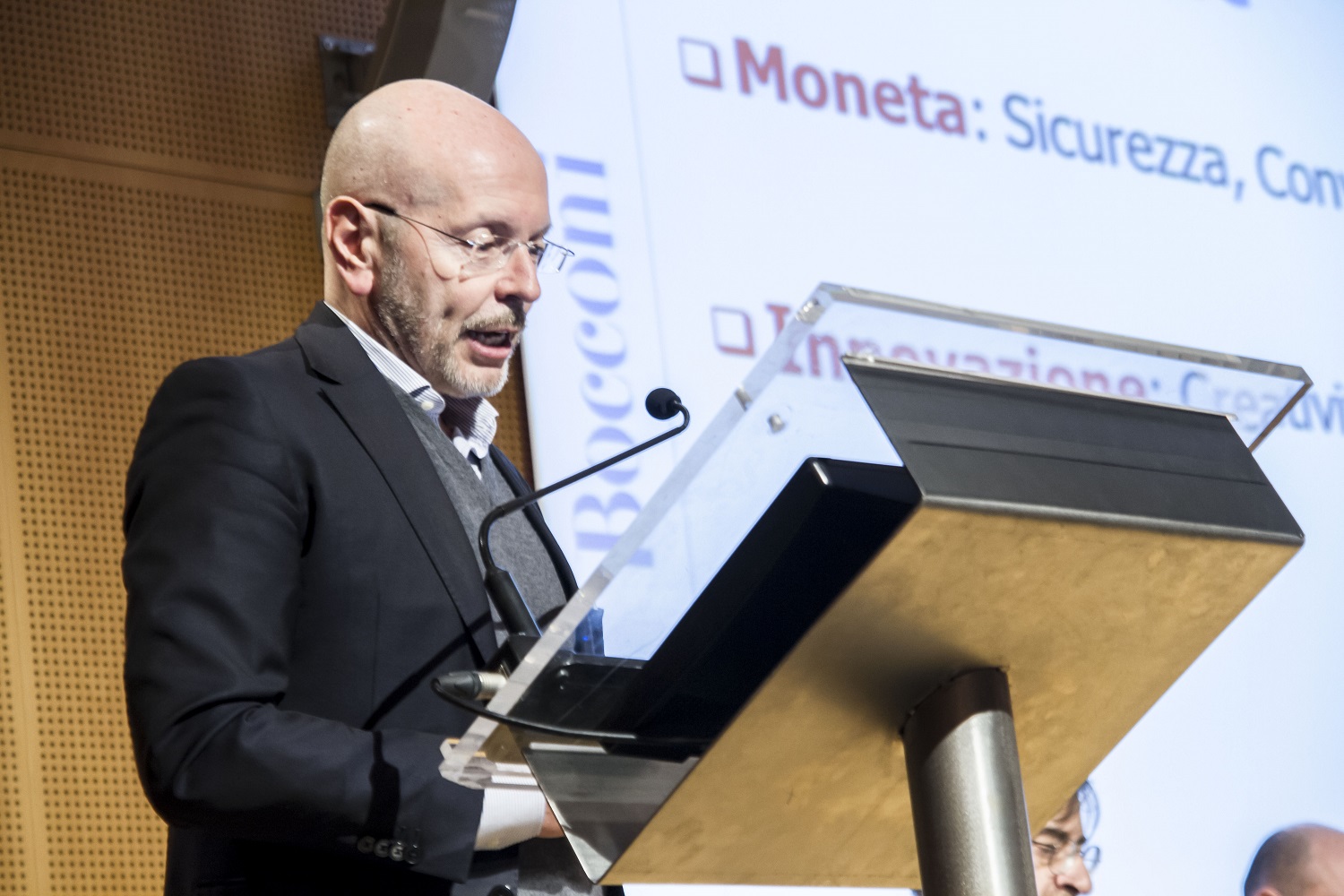
Donato Masciandaro, Professor of Political Economy at Bocconi University in Milan, in his opening analysis, framed the phenomenon of cryptocurrencies by focusing on the dual nature of bitcoin: currency and innovation. “Bitcoin as currency: the first quality we typically look for in money is security. Money must also be a store of value, and this value must be overseen by someone who isn’t incentivized to solve short-term political problems—hence the role of central bankers.
The third characteristic of money is information: how much does money tell about us? There’s a physiological aspect of privacy rights, but also a pathological one—of the shadow economy hiding crimes and misconduct. Used as a tool for money laundering, cryptocurrency becomes a multiplier in economic, financial, social, and political terms. This phenomenon should not be associated only with crime, but also with illegality, tax evasion, and the underground economy.”
Regarding innovation:
“Bitcoin introduces a new model of transaction without a centralized authority to guarantee exchanges. Here, trust emerges from below, via so-called ‘miners’ who invest in technological capacity and are rewarded with bitcoin, creating a decentralized system.”
He concluded with open questions:“Bitcoin: relevant innovation? Is the technology truly efficient? Is the information truly private? Does it require regulation?””
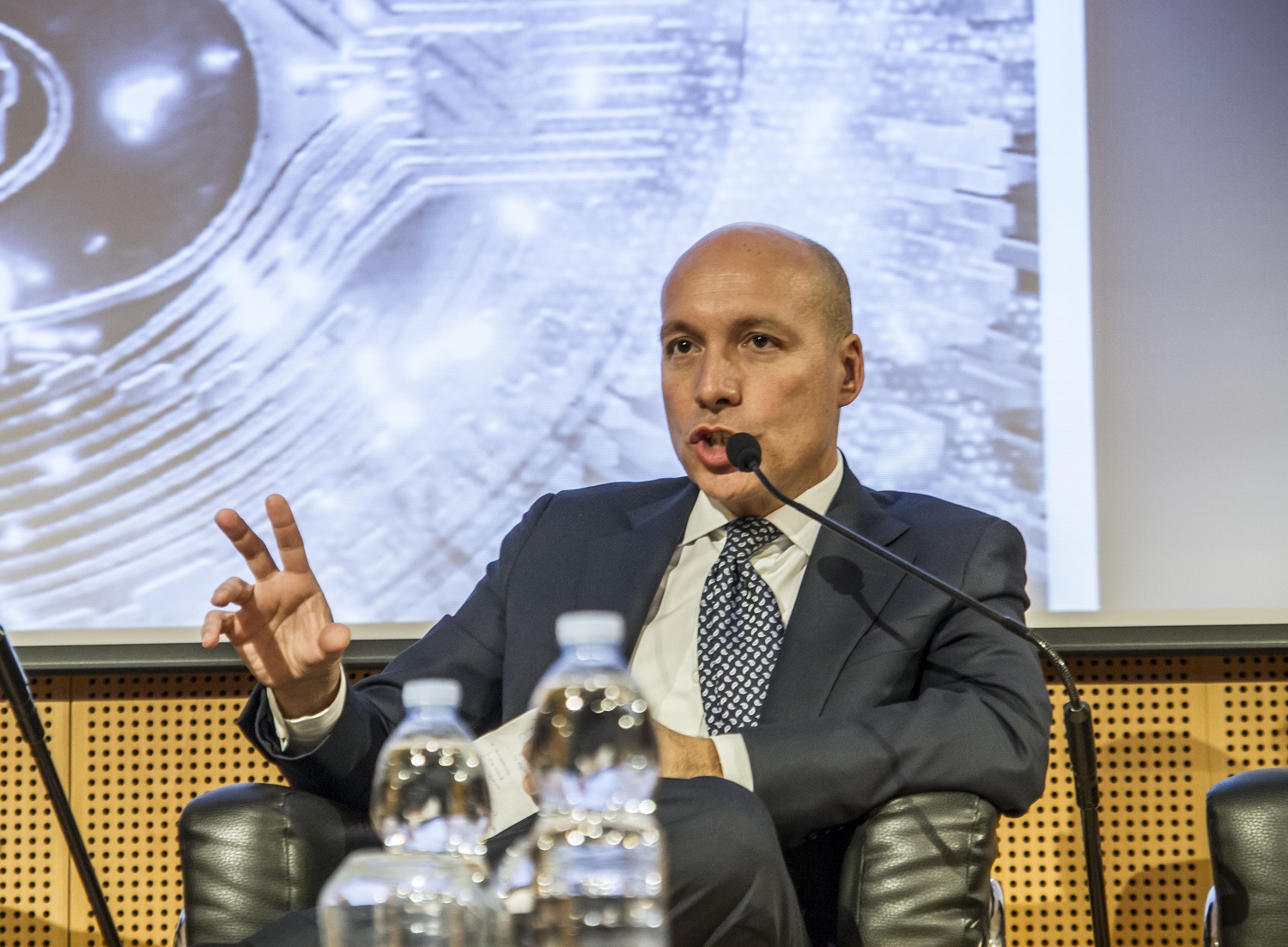
On the topic, leading figures from finance and payment systems took the floor, including Paolo Bertoluzzo, CEO of Nexi, and Guido Maria Brera, co-founder of the Kairos Group.
Paolo Bertoluzzo observed:
“It’s important to distinguish between blockchain and bitcoin. Blockchain is a new technology for distributed certification of value, which will bring with it a series of intrinsic benefits and many applications—similar to what happened with the internet. Of course, it requires regulation—especially to prevent the spread of fake value, just like fake news online. Bitcoin, instead, has been and continues to be an investment and speculation tool. But as a means of payment, it still remains to be proven.”
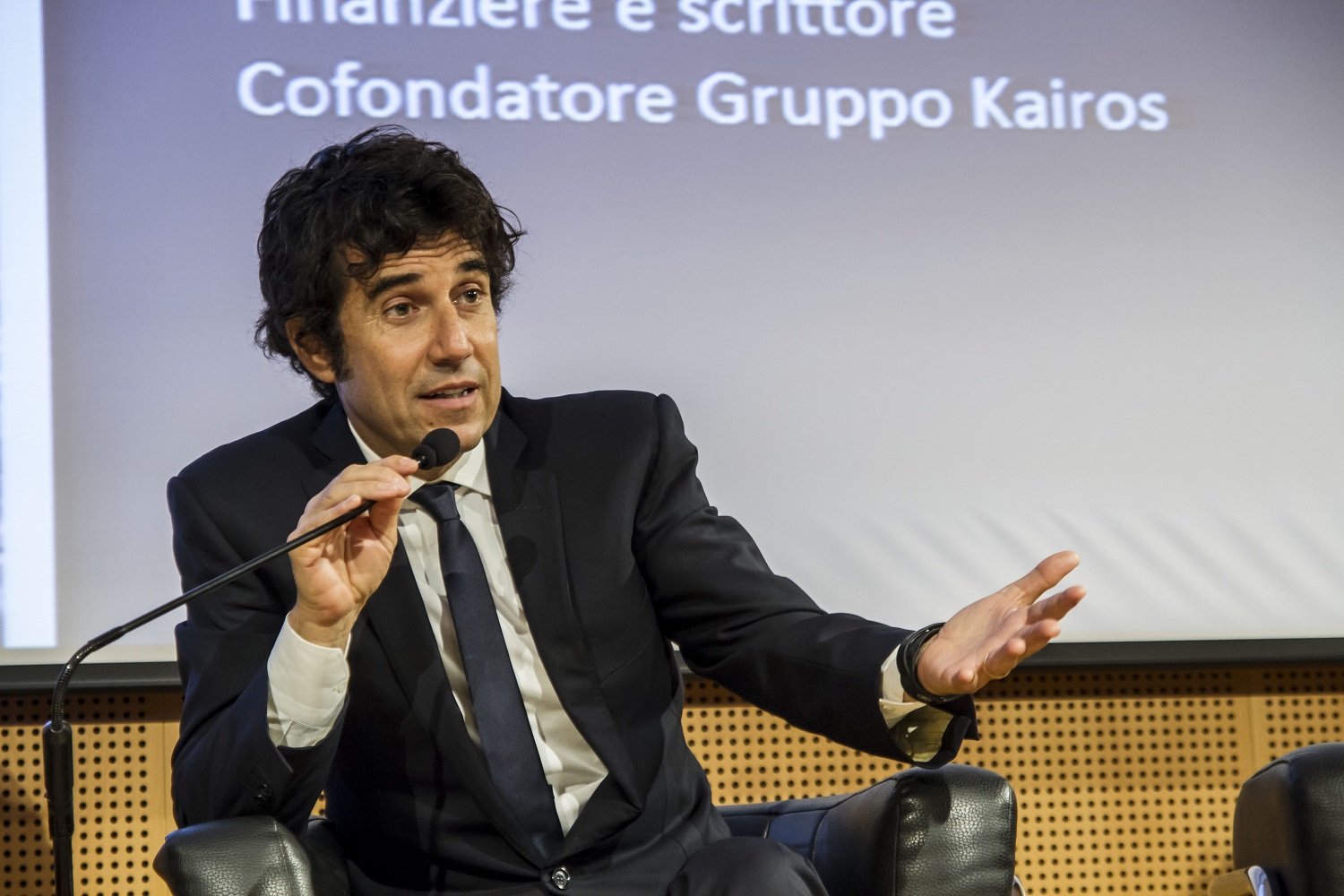
Guido Maria Brera continued: “Bitcoin was born out of a crisis in parts of finance related to central monetary authorities. In response, Satoshi Nakamoto [pseudonym of the inventor of the cryptocurrency Bitcoin] created a horizontal currency. Today we have, on one side, vertical authorities (central banks) and, on the other, this horizontal system: bitcoin—a pure exchange tool that served to finance blockchain.
I believe bitcoin will increasingly become a store of value, but monetary systems will maintain their vertical structure. Nevertheless, it has led to real progress: blockchain itself.”
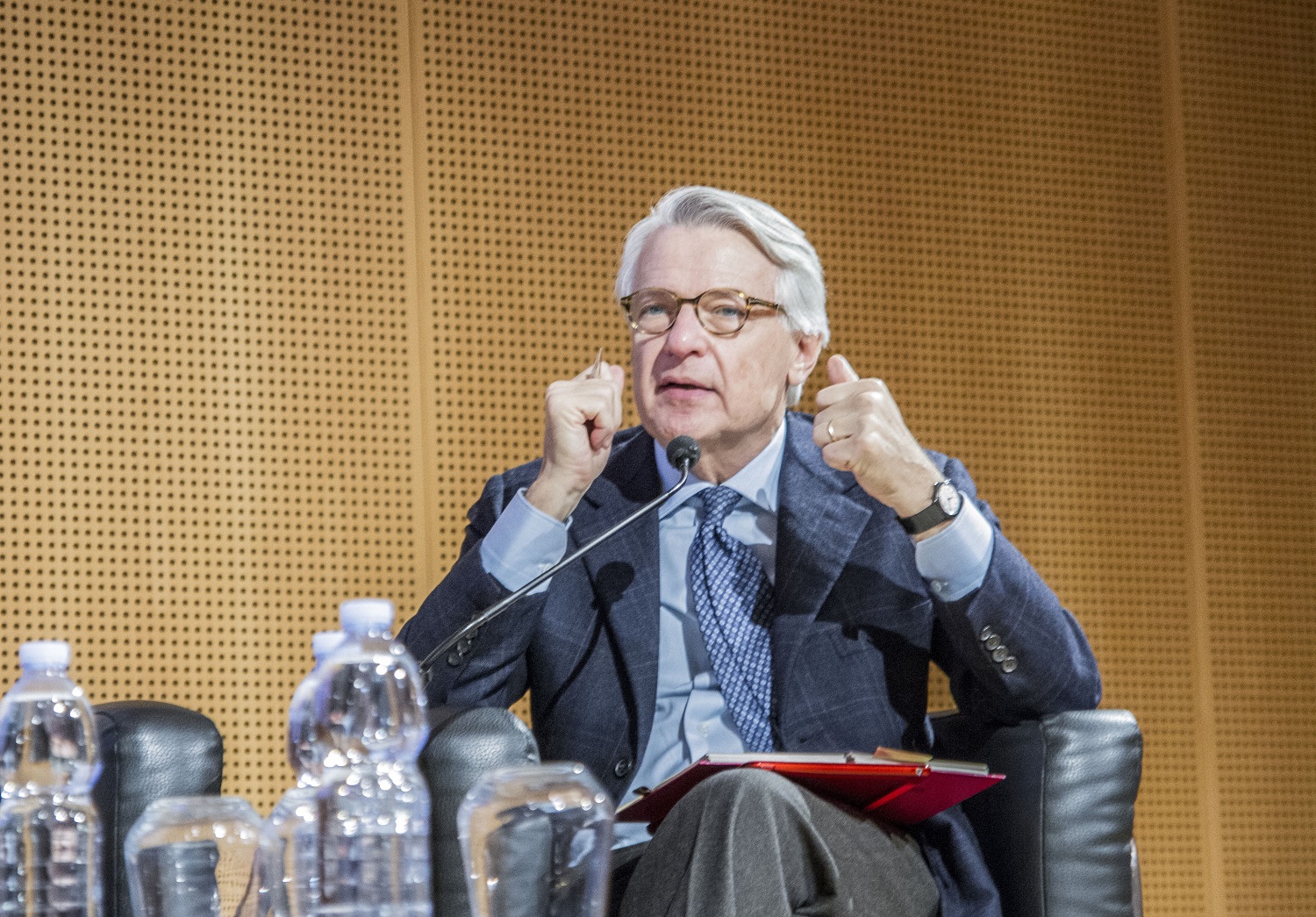
Ferruccio de Bortoli, giornalista, e Fabio Di Vizio, Sostituto Procuratore presso il Tribunale di Firenze, fra i più esperti magistrati in tema di evasione e riciclaggio, hanno provato a delineare un possibile equilibrio fra tutela dei diritti di privacy e libertà, e gli innegabili rischi di evoluzioni patologiche del fenomeno criptovalute.
Ferruccio de Bortoli asked:
“What explains the success and fascination with this phenomenon? Cryptocurrencies stand at the frontier of innovation, ence synonymous with modernity and inherent risk-taking—like any pioneering activity. They are also fueled by the mystery surrounding them, which sometimes pushes people to accept the challenge before fully understanding it. Based on a peer-to-peer system, investors rely on individuals at their own level, trusting the horizontal system. At this stage, basically,” the journalist pointed out,“We are, in effect, testing all future technologies. Cryptocurrencies may be a way to explore a new frontier: the use of digital currency.”
Fabio Di Vizio analyzed bitcoin from a legal and regulatory perspective:
“Virtual currencies grow to the extent they are far from public regulation. However, this is evolving through two key regulations: anti-money laundering and tax monitoring, which will also require information collection on the parties and purposes of transactions.
Legally, we are not dealing with a recognized currency, nor a typical financial instrument. Practically and legally, we don’t yet have a name for this phenomenon.”
He concluded: “Today, the rules of the game have yet to be written, but the more the cryptocurrency system becomes integrated into the real economy, the greater the need for regulation will become.”
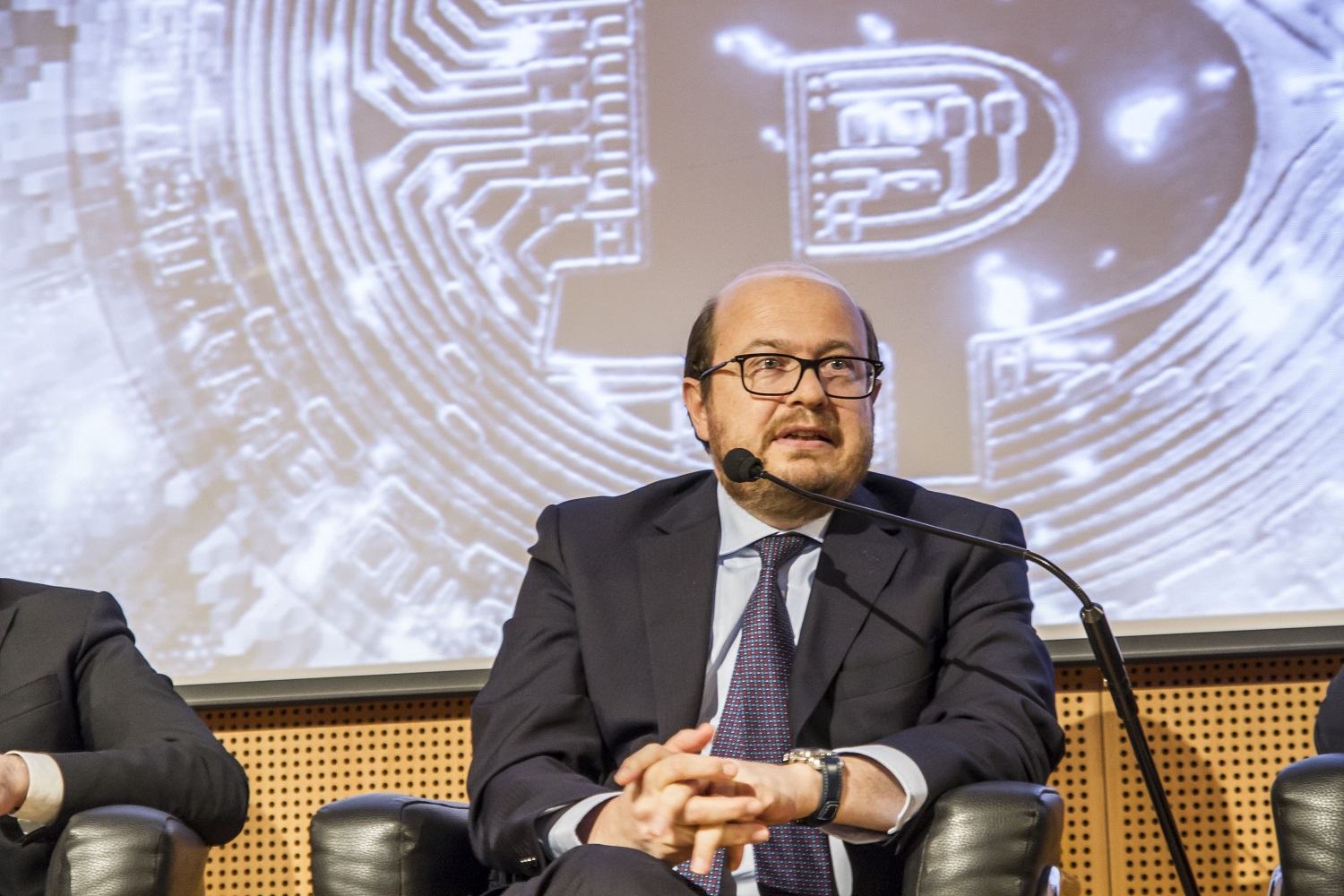
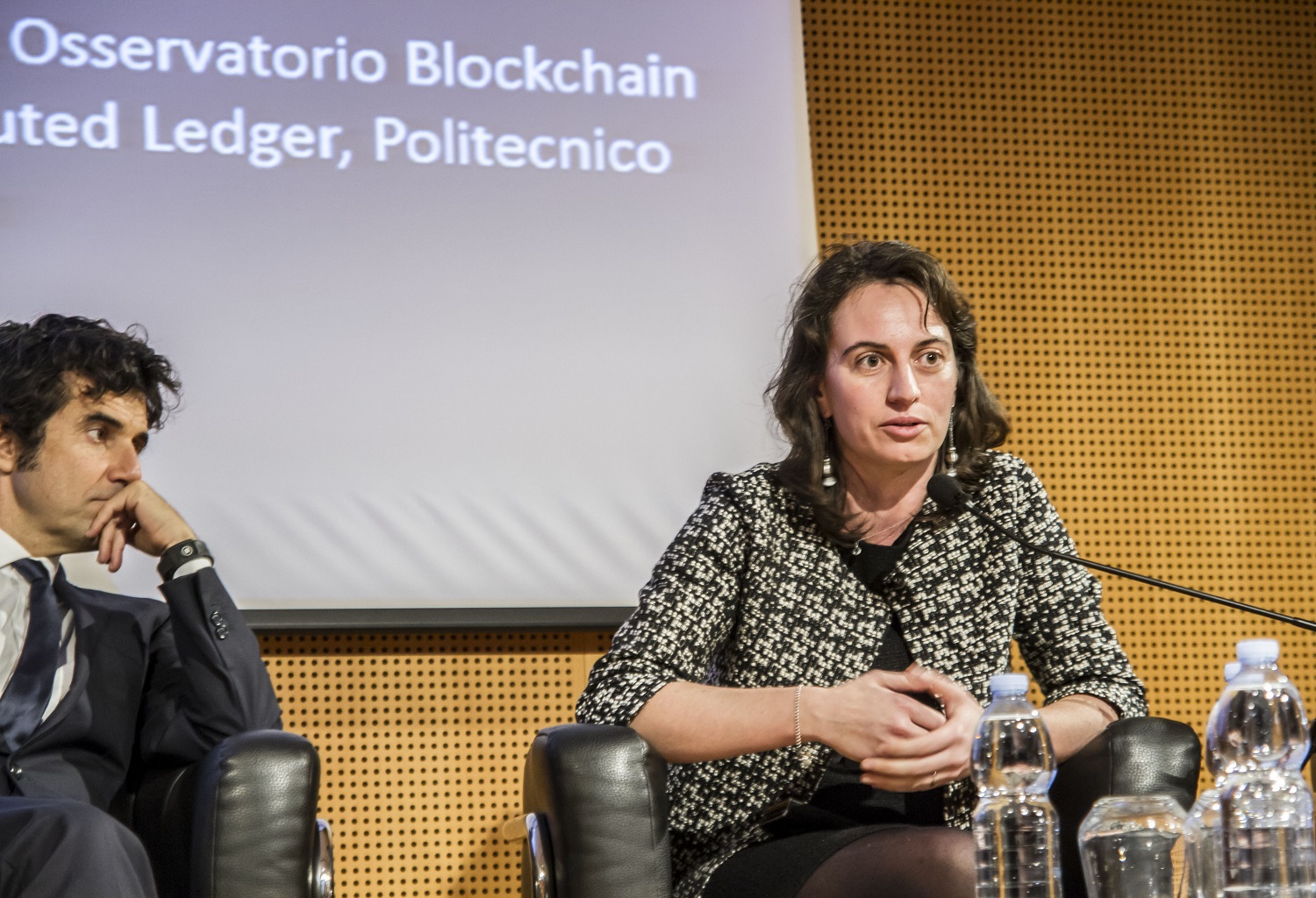
Raffaele Mauro, Managing Director of Endeavor Italy (an organization that supports high-potential entrepreneurs globally), and Valeria Portale, Director of the Blockchain & Distributed Ledger Observatory at the Politecnico di Milano, offered a final overview of active players in the Italian scenario, assessing whether these early ventures could establish a new business model.
Valeria Portale addressed key questions from Saldutti:
“Can we trust blockchain? What are its potentials and criticalities?”
“Blockchain is part of the Distributed Ledger family—a shared ledger across multiple network nodes that self-regulates without a central certifying authority, ensuring the integrity of transactions—something the internet cannot do.
Thinking beyond economic transactions to broader certification processes, we begin to grasp its infinite potential. By eliminating the need for third-party certifiers, we challenge the paradigms we’re used to—raising, of course, regulatory difficulties due to the immaterial and supranational nature of the phenomenon.” She added: “There are evident weaknesses and criticalities in cryptocurrencies, but thinking about the programmability of money and its temporal or usage constraints, the opportunities are many. We will see how they develop in the coming years.”
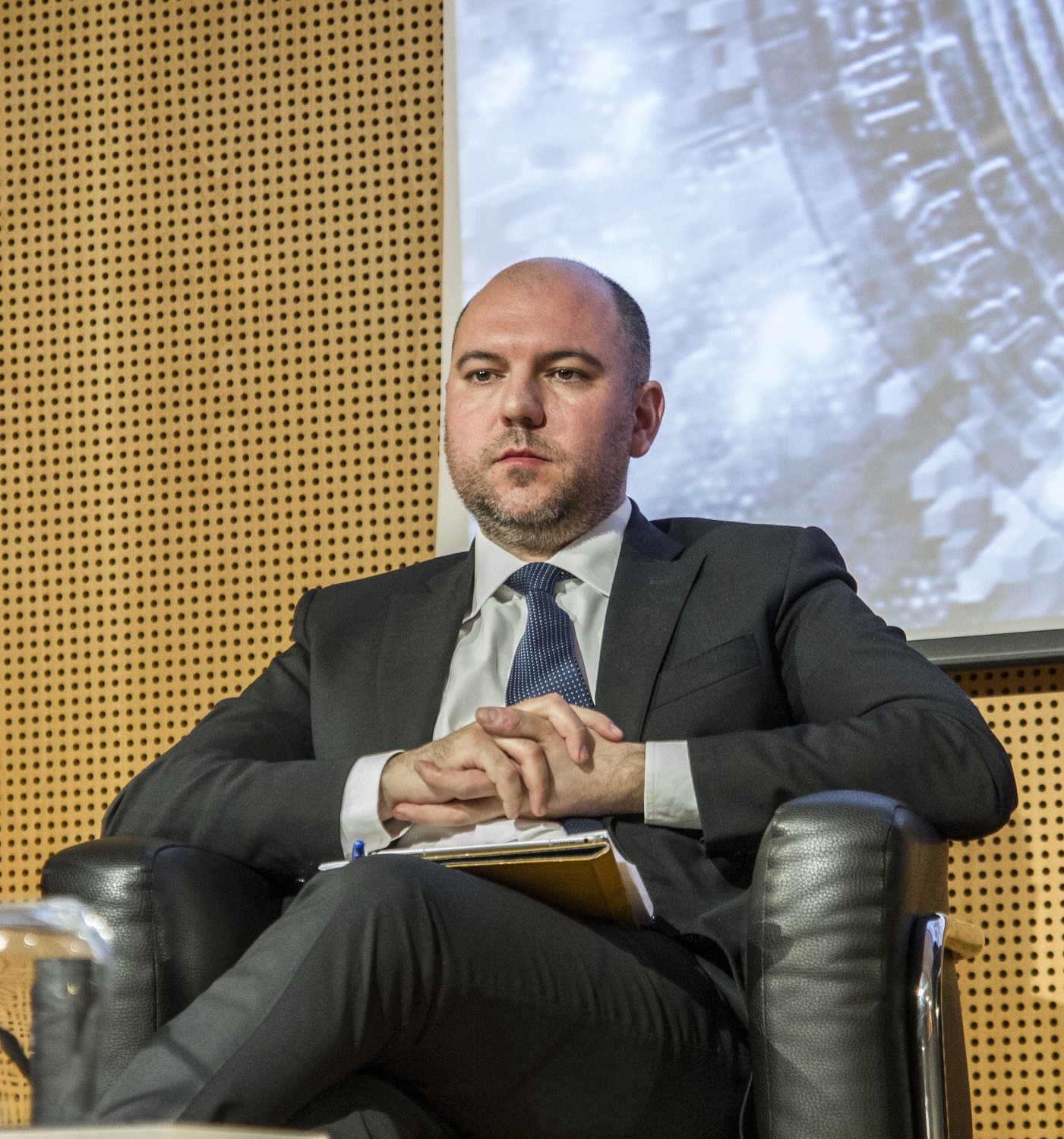
Raffaele Mauro concluded by exploring how this phenomenon could reshape entrepreneurship:
“Talking about bitcoin, we see that—without major investors, formal regulations, or venture capital—the system has grown in a resilient and incredibly scalable way, revealing something deeply interesting in its structure.
Traditional businesses are beginning to accept bitcoin for transactions. In parallel, there are companies building ecosystems around cryptography and cryptocurrencies to make these technologies accessible to the public. A third level is that of ICOs Initial Coin Offeringwhich self-finance through cryptocurrency systems.
I would suggest focusing more on where these dynamics are heading, rather than on the dynamics themselves. Legal concerns are important, but cryptographic technologies offer great democratic and innovative potential.. What we must do now is invest in education and research—and based on that, make decisions and build the foundations of our future economic growth.”
PROGRAM
WELCOME
CARLO PESENTI, Presidente Fondazione Pesenti
OPENING ANALYSIS
DONATO MASCIANDARO, Professore Ordinario di Economia Politica, Università Bocconi di Milano
ROUND TABLE
Moderator:
NICOLA SALDUTTI, Caporedattore Economia Corriere della Sera
RAFFAELE MAURO, Managing Director Endeavor Italia
Programma | Brochure del Convegno
Cartella Stampa | Rassegna Stampa
Presentazione del Professore Donato Masciandaro
Relazione del Sostituto Procuratore Fabio Di Vizio
Gallery