Fondazione Pesenti ETS has launched a significant collaboration project with ASST Humanitas Melegnano e Martesana to address the growing challenge of oncological diseases, which represent a true public health emergency.
The project, initiated in 2019 and lasting five years, aims to support the training of a medical oncology resident. The training pathway was designed to enable the doctor to engage with oncological issues from the very first months of their internship in a hospital ward.
Subsequently, the resident will complete their training in a specialized facility, acquiring specific skills for the treatment of patients affected by cancer. The collaboration between Fondazione Pesenti ETS and ASST Humanitas Melegnano e Martesana has had a significant impact, increasing the number of services provided by the hospital. This project represents a vital investment in the education of new specialists, with the goal of ensuring a better future for cancer patients.
Fondazione Pesenti ETS is consistently committed to promoting medical research and the education of young doctors, with the goal of improving people’s quality of life and contributing to the growth of the Italian healthcare system.
A project in memory of Franca Natta Pesenti, a prominent figure in the Bergamo community known for her dedication to social causes and support for the most vulnerable, testifying to the Foundation’s deep connection with the local territory.
An investment to support a high-level training program, structured in two phases: initial training: the medical resident engages with oncological issues from the early months of their internship in a hospital ward. And specialization: the resident completes their training in a specialized center, acquiring specific skills for the treatment of tumors.
“Thanks to the support of Fondazione Pesenti, we were able to launch a specialized training
program for a medical oncology resident.
The training initiative stems from the observation that the incidence of oncological diseases is increasing, becoming a critical healthcare issue in a context where oncology specialists are fewer. The resident is initially assigned to a hospital ward to interact directly with oncological challenges and later completes training in a specialist facility.
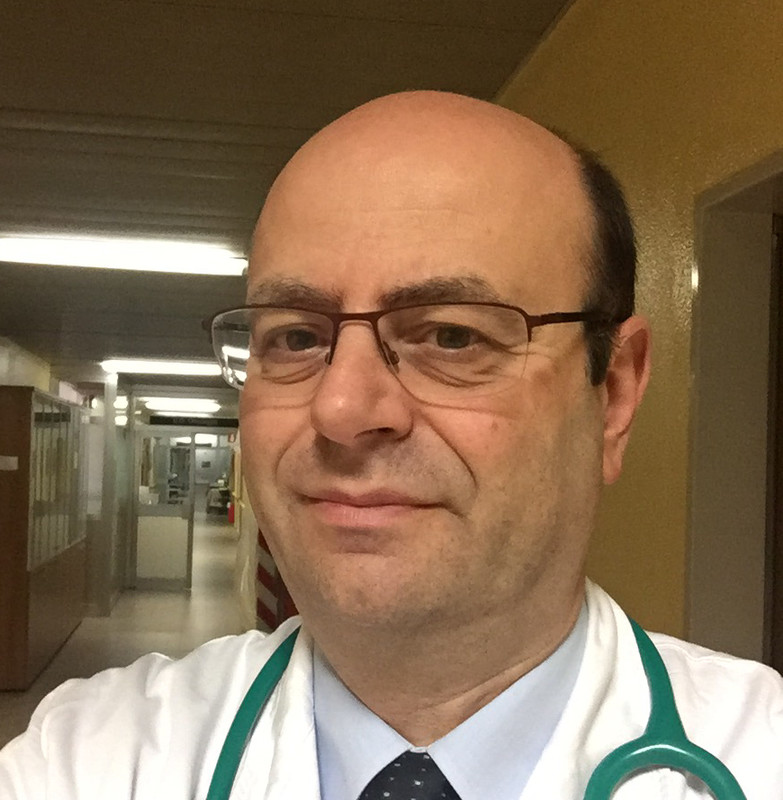
Having a resident has allowed us to increase the number of services provided by the hospital and, most importantly, to continue ensuring oncological care for all patients—even during the pandemic.” Dr. Andrea De Monte, Director of the Oncology Division, ASST Melegnano e Martesana