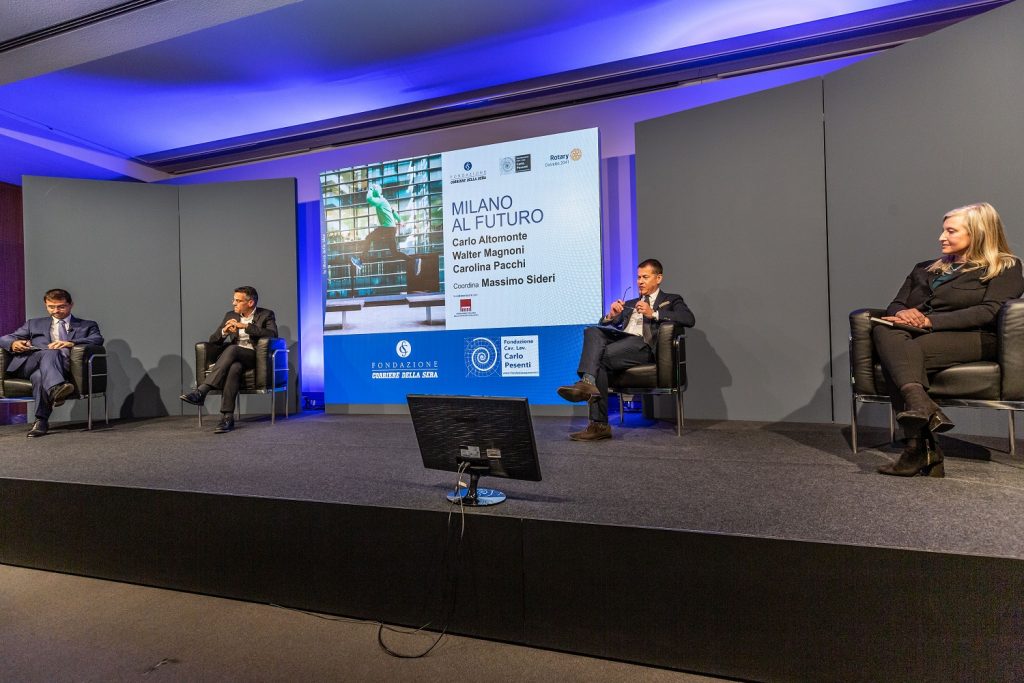
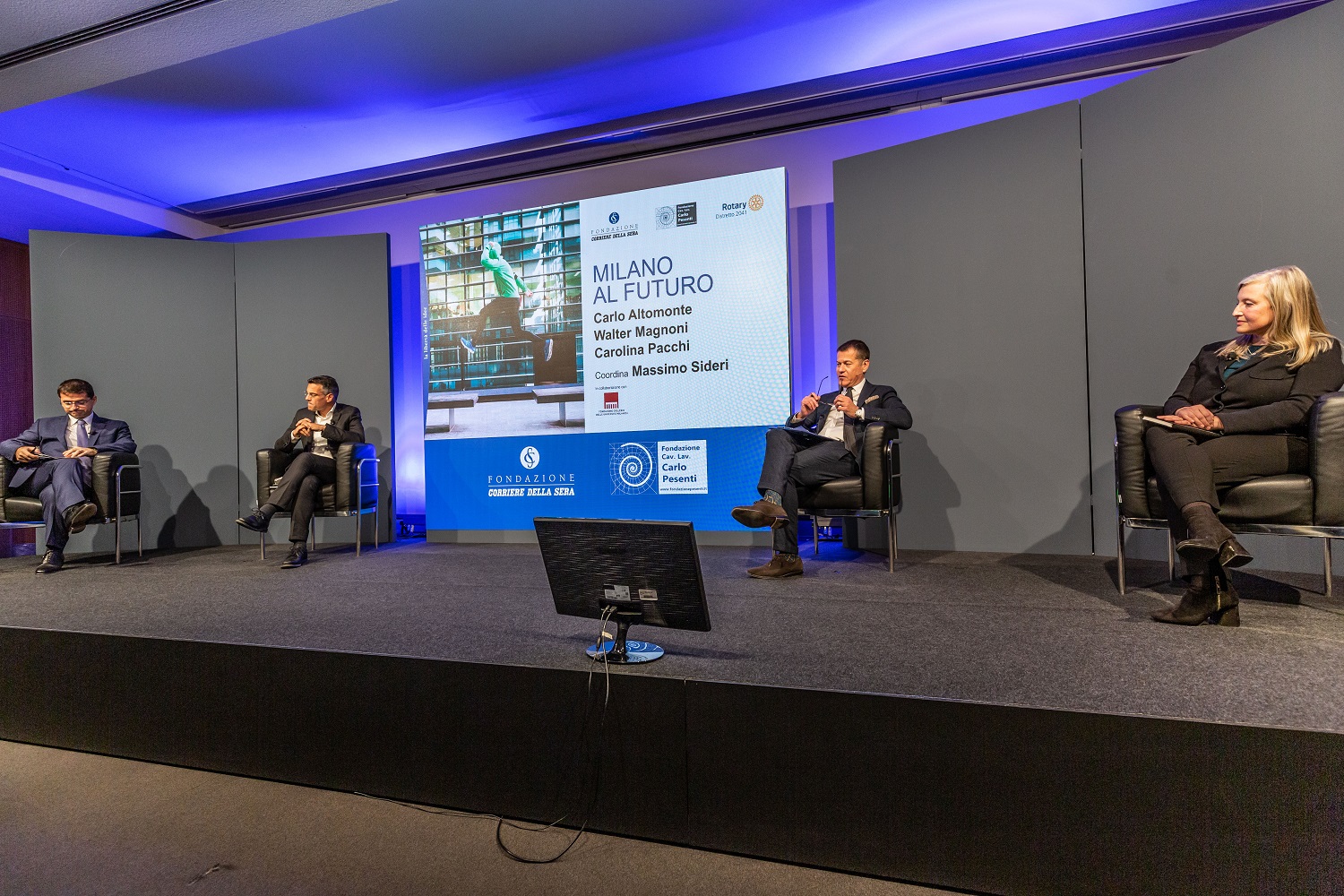
Friday, March 25, 2022 – On March 22, the event “Milano al Futuro” took place, promoted by Fondazione Corriere della Sera and Fondazione Pesenti, in collaboration with Rotary International (District 2041) and the Fondazione Collegio delle Università Milanesi, with the aim of jointly offering proposals and perspectives on Milan’s future in the aftermath of the pandemic.
Work, health, science, and culture are some of the dimensions that have long characterized Milan’s excellence and its attractiveness.
The pandemic emergency disrupted the world, and so it did with Milan; the city suddenly found itself facing extremely difficult problems and complex and dramatic situations.
The health crisis, remote working, and distance learning changed the makeup and size of the resident population. A situation persists in which the pandemic continues to impact urban mobility, commuting, work, and the economy; sectors such as tourism, entertainment, and culture have suffered enormous economic losses, and the entire “Milan model” is now called upon to reflect on its future.
A survey and study of this situation were conducted by the 51 Rotary Clubs of Rotary International’s District 2041 in Milan, in collaboration with the Fondazione Collegio delle Università Milanesi, through focus groups involving new generations—young people often attracted to Milan from outside the city or even from abroad.
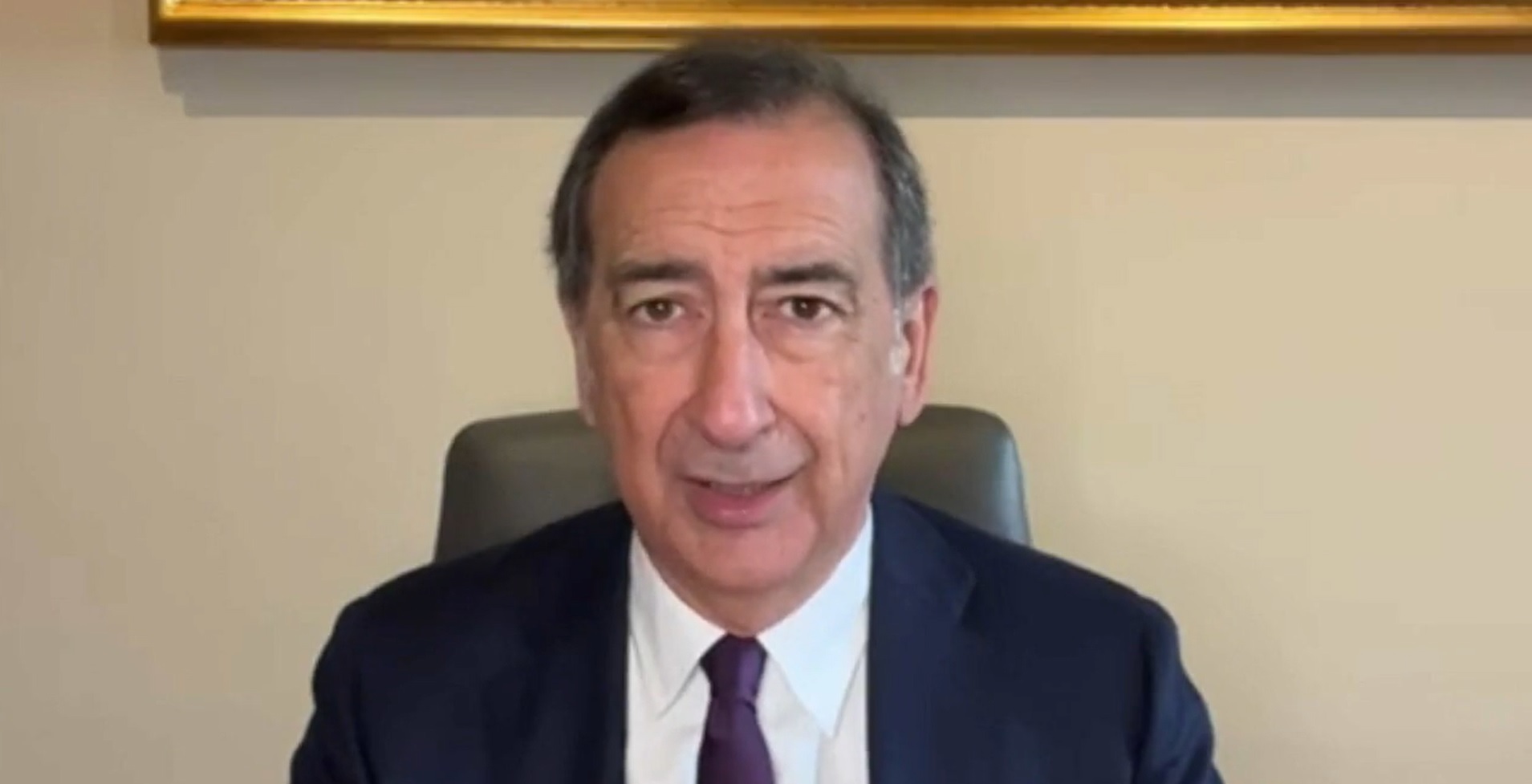
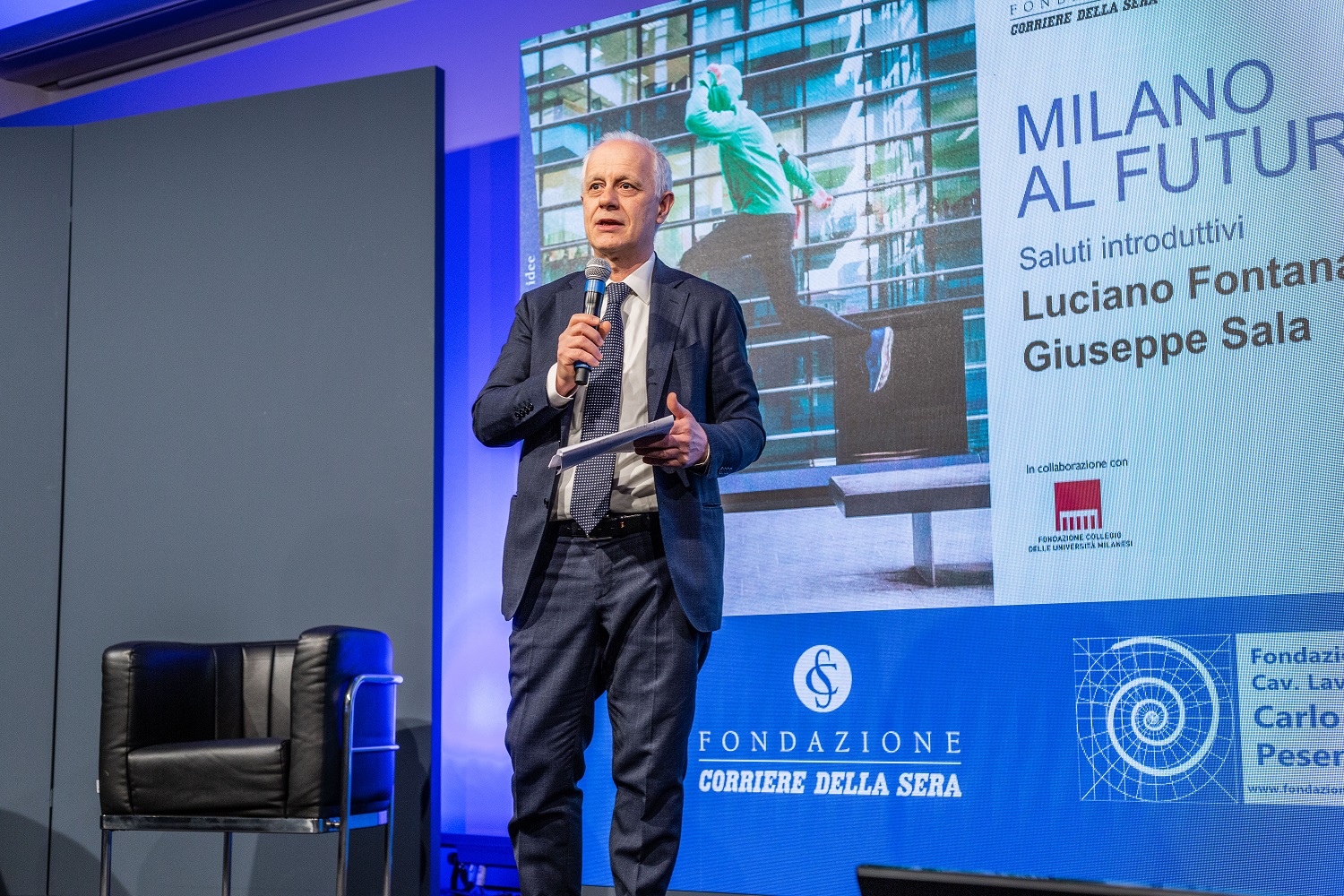
The conference was opened by the Mayor of Milan, Giuseppe Sala (via video link), who emphasized the importance of synergy between foundations and public and private institutions to network knowledge with the goal of rethinking the city’s future: “The most powerful tool to accelerate innovation is the exchange between universities, foundations, and all public and private entities active in the dissemination of knowledge. So, a sincere thank you to those like Fondazione Corriere della Sera, Fondazione Pesenti, and the Rotary Club who network knowledge to spark new thoughts and reflections.” He concluded: “We must plan change to restore centrality to health, face the goal of zero emissions, embrace digitalization, create opportunities for quality jobs especially for young people and women, improve access to services, protect the environment, and make our development sustainable. All this, I reiterate, will only be possible if public and private energies unite in a shared mission of progress.”
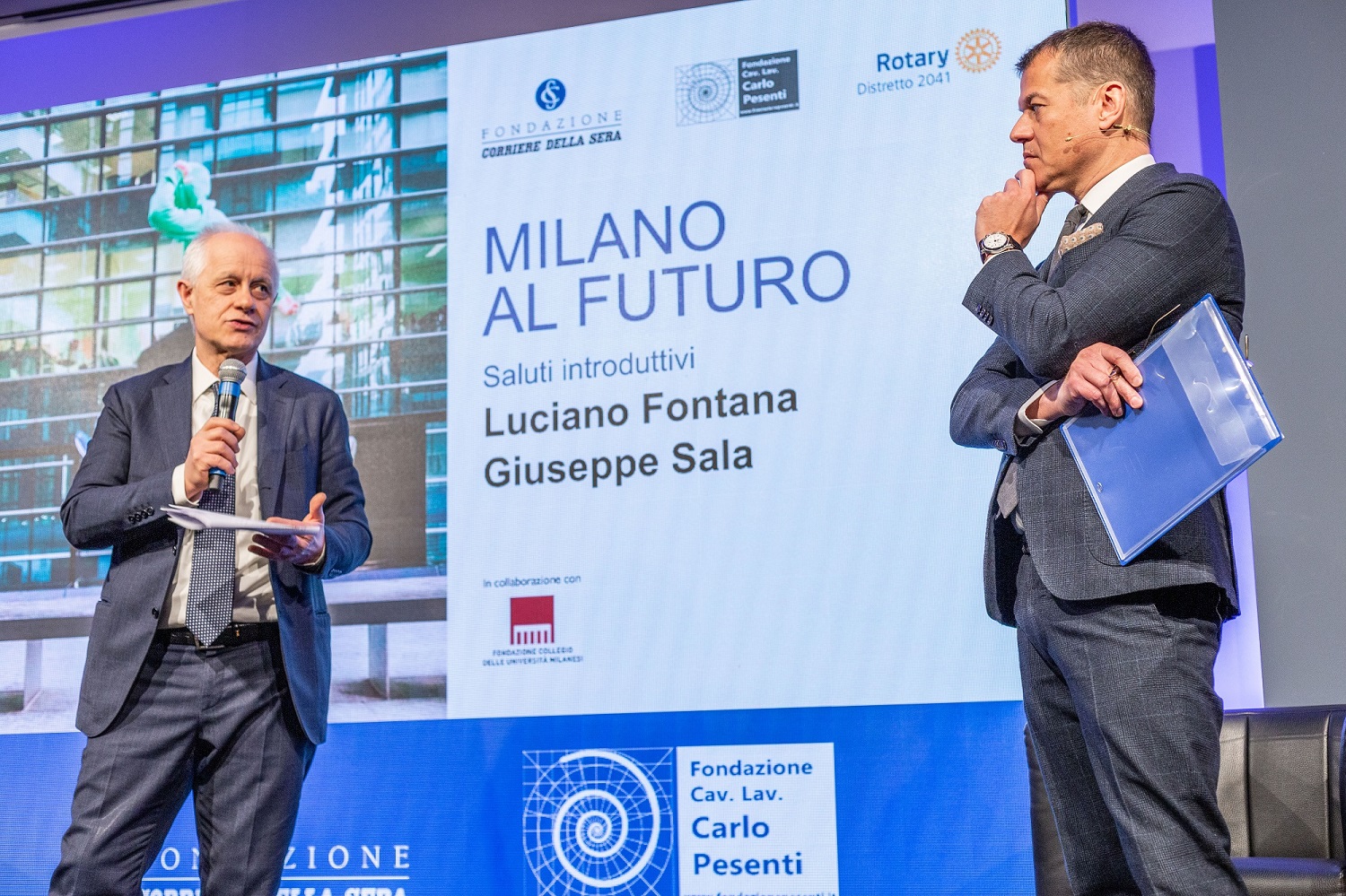
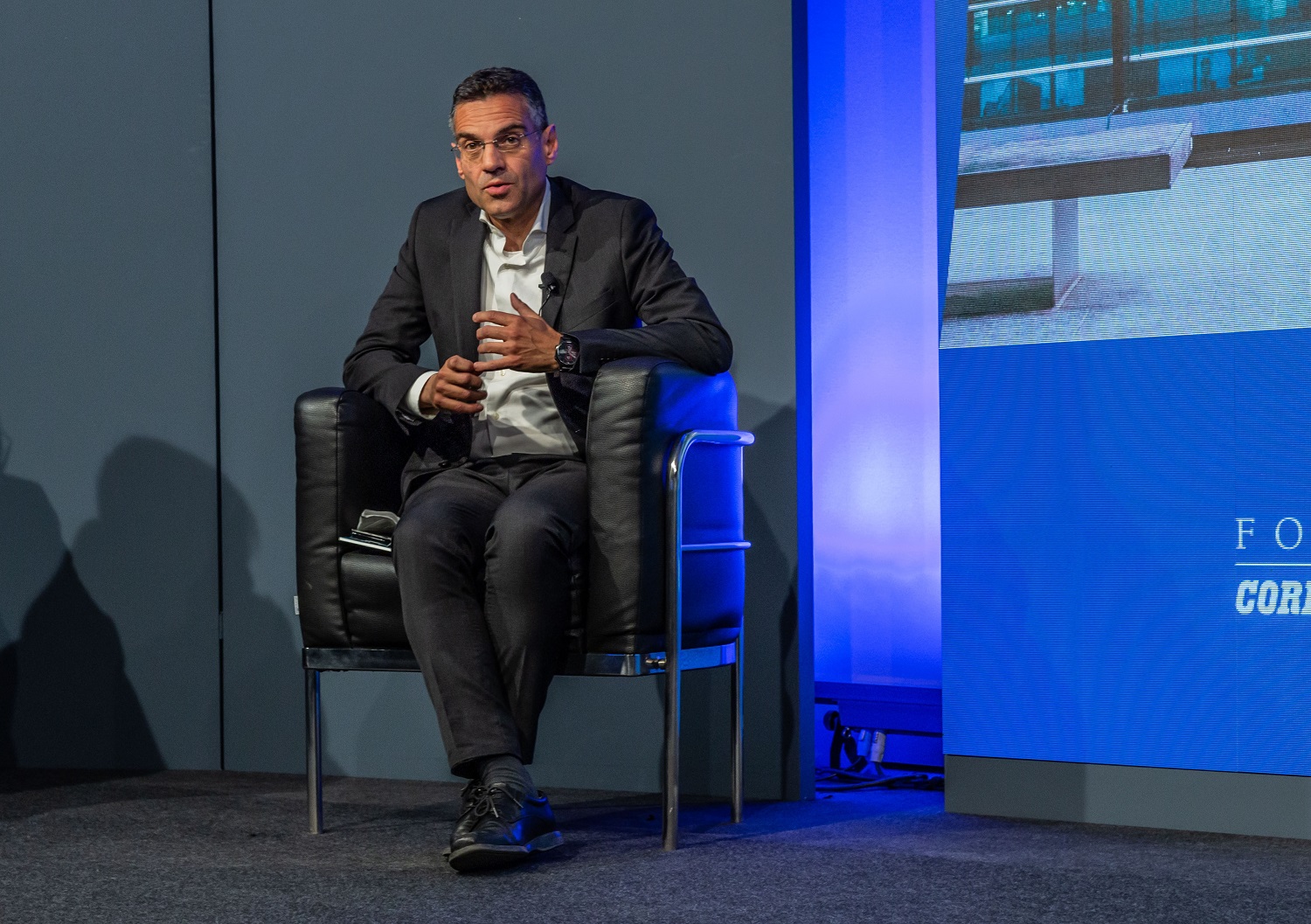
“The key words at the opening of this meeting are altruism, culture, innovation, digitalization, and sustainability,” said Massimo Sideri, coordinator of the event, who invited attendees to reflect on the mayor’s words and then gave the floor to Luciano Fontana, Editor-in-Chief of Corriere della Sera.
“Some fundamental values are being questioned these days. It’s important to remember that as we gather here to design the future of our city,” emphasized the Director. “I believe Milan has all the characteristics and qualities to respond to the crisis we’re experiencing and overcome this setback, which surely does not mean a halt to its future prospects. Work, culture, and health are all fundamental themes for the success of this initiative. What requires particular attention is the importance of student flows—young generations, often from outside Milan, who choose the city to study and live. The key will be to envision Milan as a hub for talent attraction, which we often struggle to retain due to high costs, so that all talents, from all social classes, may find here their ideal place to build their future.”
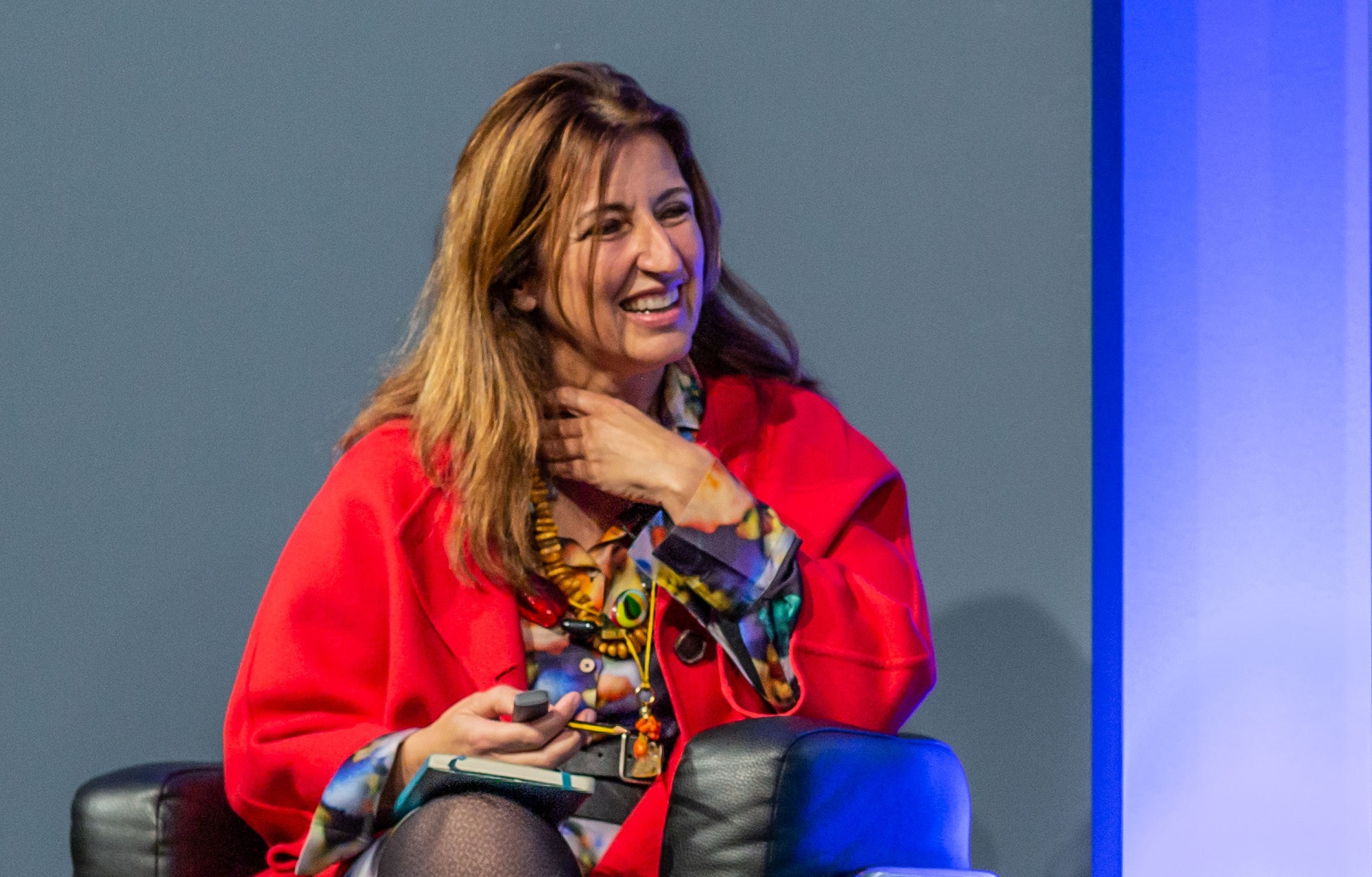
The debate was then opened by architect Benedetta Tagliabueinternationally renowned and Founder & Head Architect of the EMBT studio, who—by presenting some of her projects—offered a broad perspective on how cities are called to rethink pace, mobility, and design in a post-pandemic vision. “The common thread in our projects over the last 10 years, particularly those related to the Milan Expo (2015) and Shanghai Expo (2010), has been the motto ‘Better cities – better life’, which allowed us to question how a better city can be created and how to build it in a way that offers the opportunity for a better life. How does a place become an attractive hub where citizens enjoy living?” The internationally renowned architect spoke about the trends affecting major urban centers from Europe to China. “The post-pandemic era asks us to focus on public space and make it more human-centered. Even in large, high-density cities, the architect’s role is in some way to make the citizen feel ‘at home.’ The city itself must be a place for experimenting with collective thinking.”
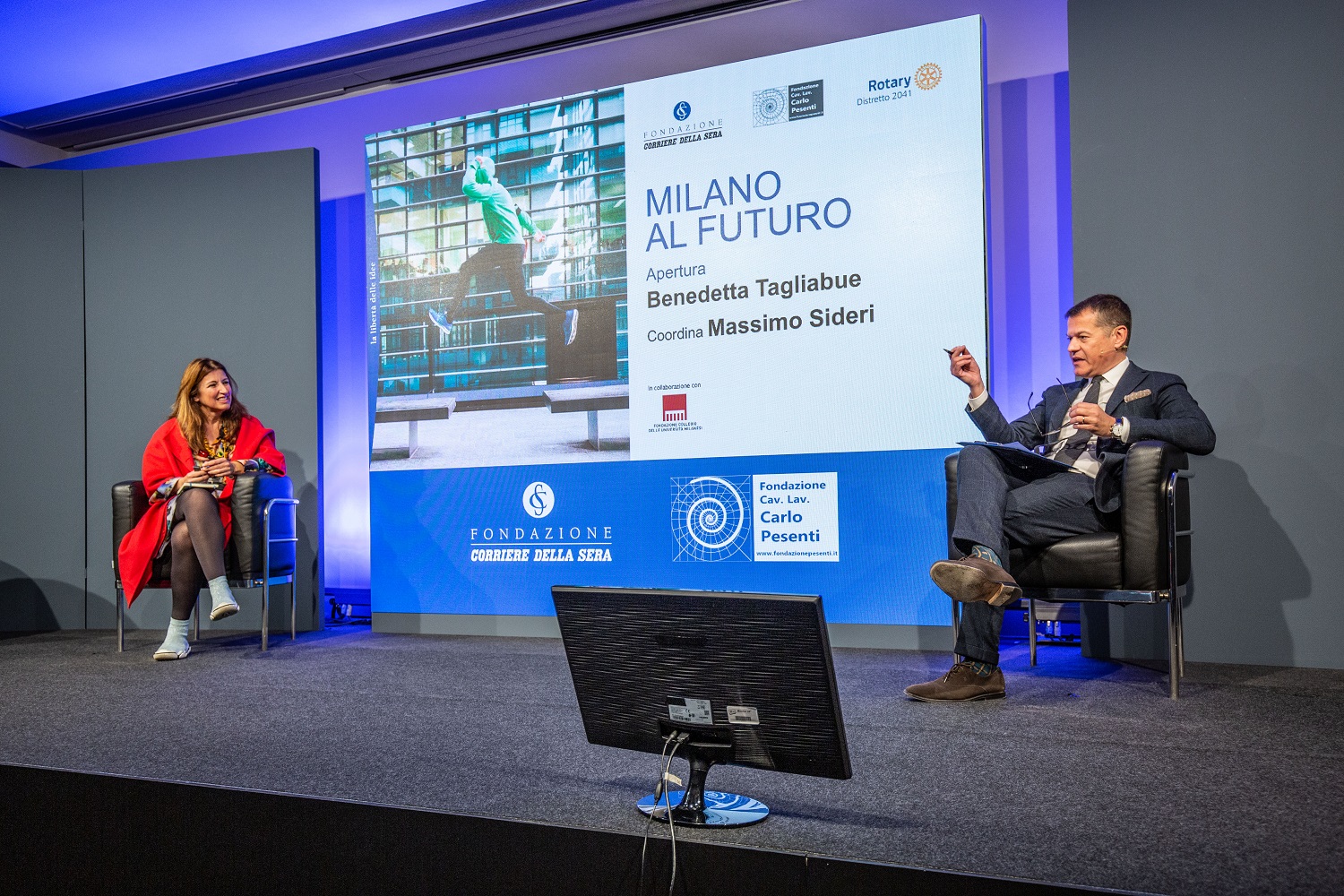
“The opportunity for this meeting comes from the desire to understand and respond to the needs of young people and students and to recreate those flows that had fueled the city of Milan and that the pandemic in some way disrupted,” said Massimo Sideri, as he introduced the first roundtable guests, then turned to Manlio Grassi, Governor of District 2041 of Rotary International, to invite him to present the ‘Milano al Futuro’ project.
“We wanted not only to lend a hand in a time of crisis, but to make available the experience of 100 years in the city to try to design the future. It all started in the early months of 2021, as we observed the ‘Milan system’ forced into a sudden stop after a trend of unstoppable growth. The 51 Rotary clubs in Milan began asking themselves what could and should be done for their city, and thus the idea was born to launch a program to gather the vast heritage of experience from the club into a unified, shared document to be handed over to the community and to those who could turn it into programs and projects for the city’s growth. A collection of information that can help highlight the real needs of today’s citizens.”
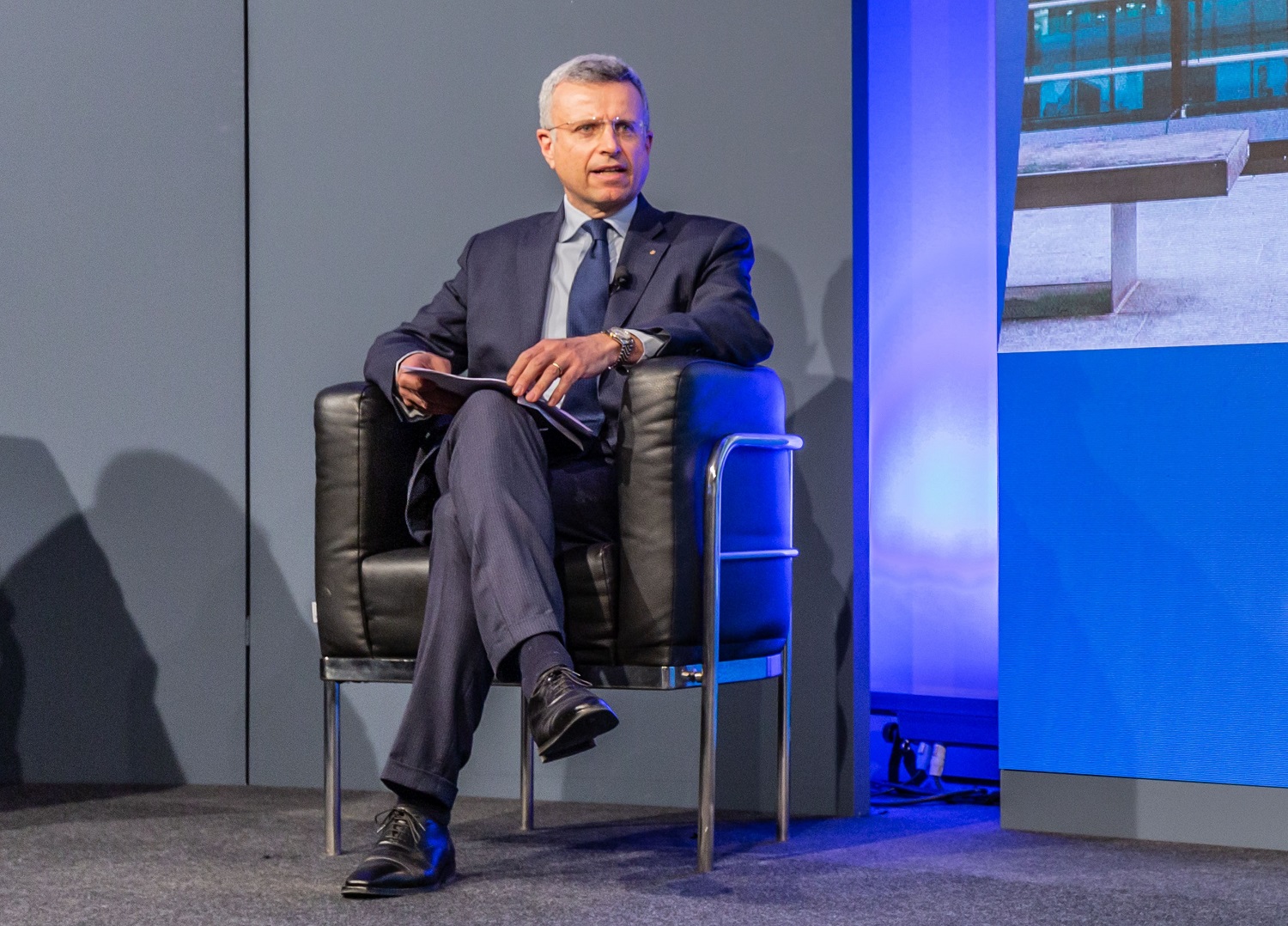
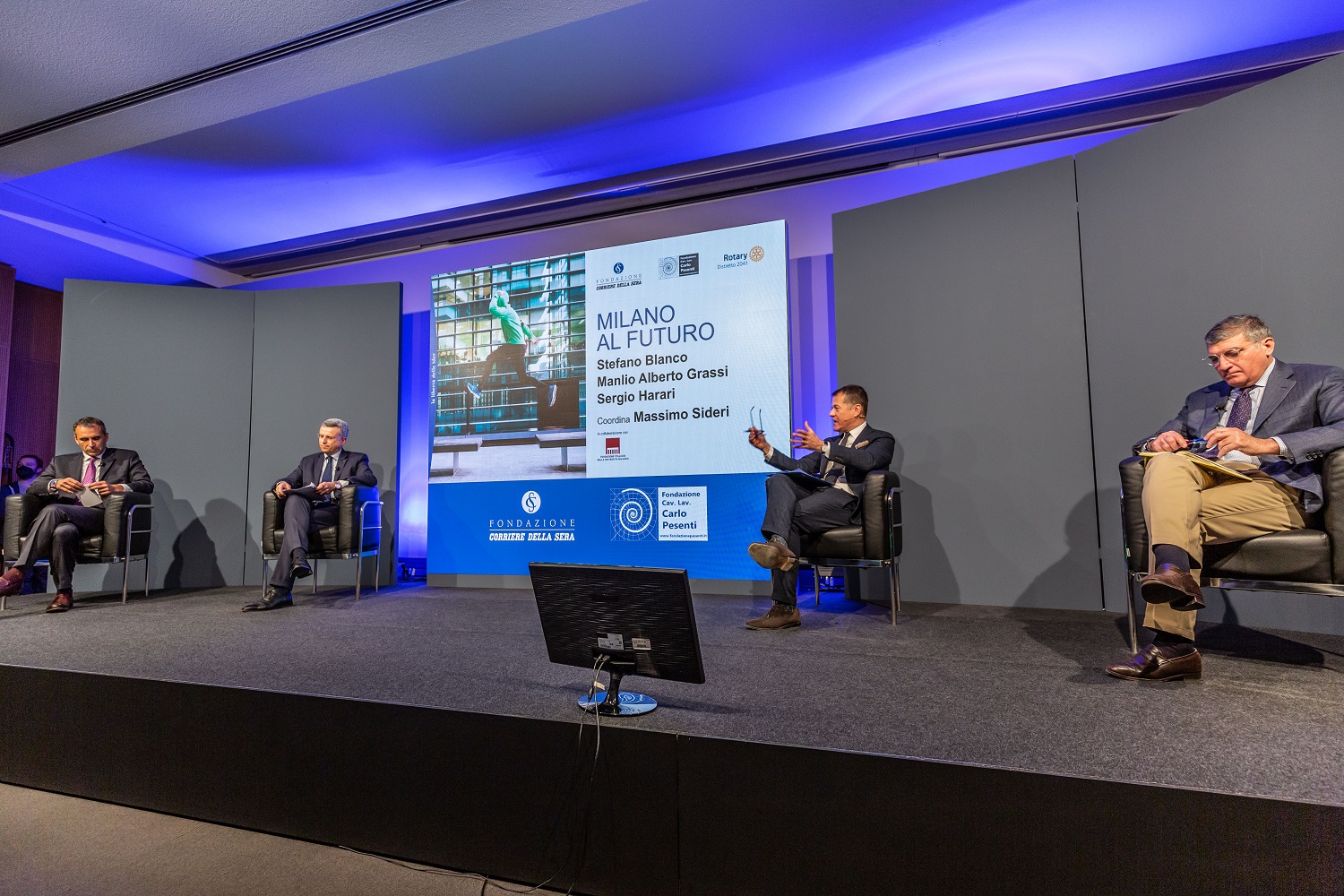
“This project is important because it can facilitate the meeting of generations—one of today’s main issues is the lack of intergenerational dialogue, which we must address in order to shape a future,” said Stefano Blanco, General Director of Fondazione Collegio delle Università Milanesi, who described the experience with international students—a central theme for Milan.
“The work we are about to start, through a series of focus groups involving and giving voice to students from all universities, from all disciplines, both Italian and international, who have chosen Milan, can offer valuable insight into understanding the key elements that make this city attractive.”
He concluded: ” The pandemic changed our relationship with what is ‘external’ to our lives. We must rediscover a city capable of speaking to people.”
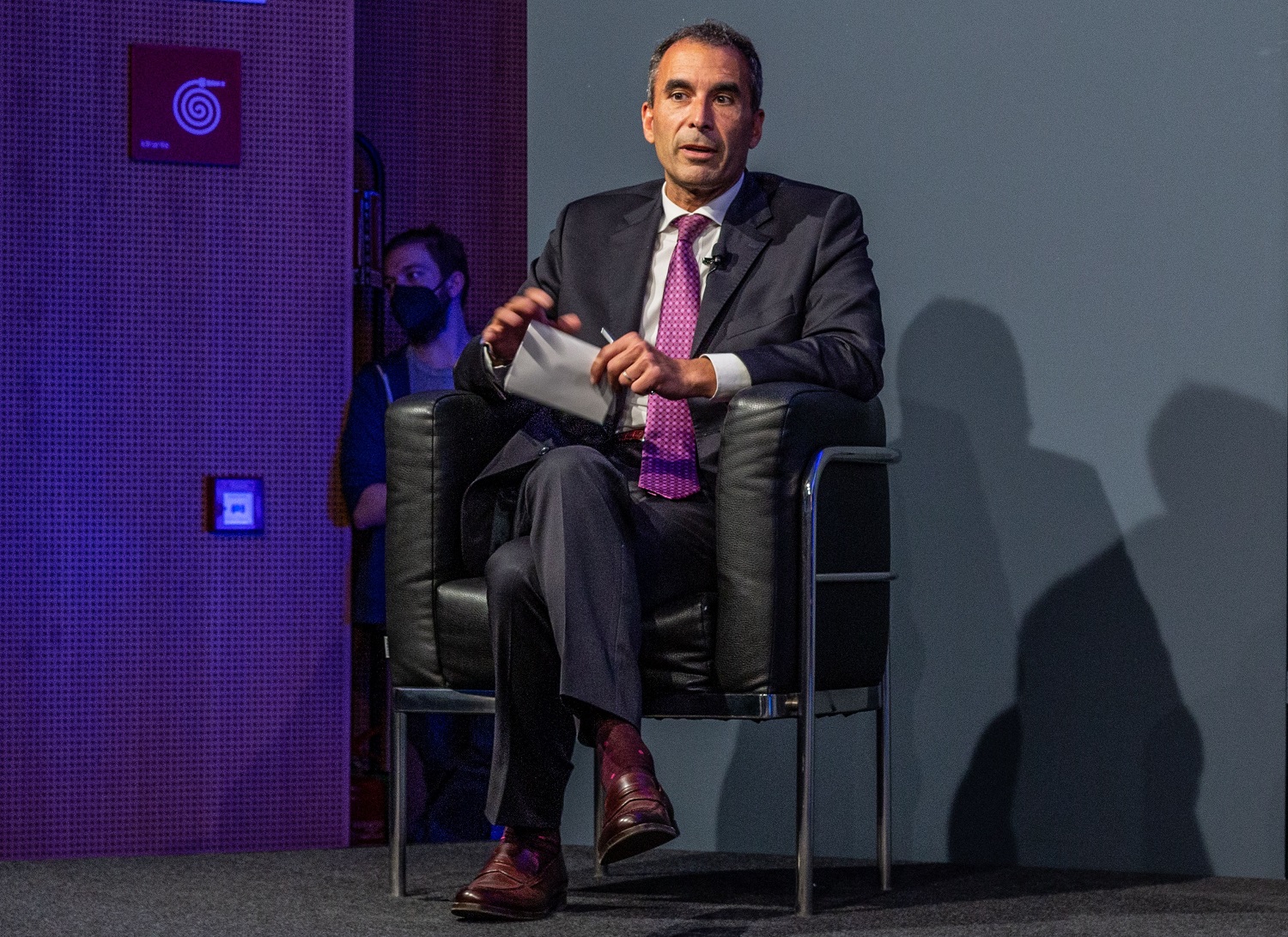
“The pandemic highlighted the strengths of the national health system, but also certain weaknesses—such as the relationship with the territory and the city itself, and also the State/Region dynamic,” said Sergio Harari, Director of the Pulmonology Unit at San Giuseppe Hospital in Milan, emphasizing the impact of healthcare on society and the economy.
“Now the challenge is how to tackle these issues, how to revisit and strengthen our healthcare system. The PNRR gives us some guidance, but it will not be a straightforward process.”
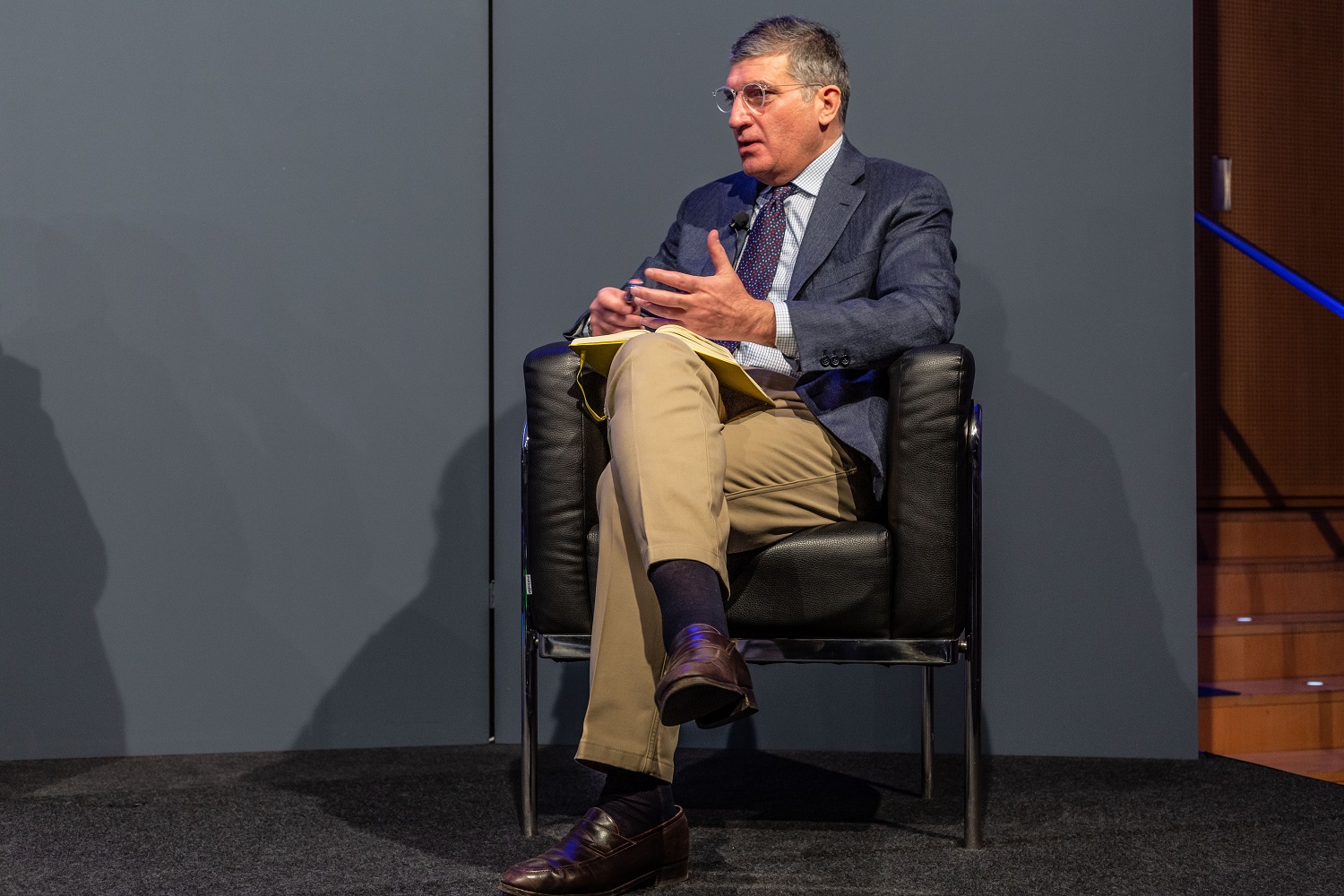
“The PNRR is an extraordinary opportunity, with some caveats: it’s essential that the different policy areas know how to integrate in order to generate demand and strategic planning starting from local areas. It’s also crucial to combine a very fast-paced model with a long-term vision,” noted Carolina Pacchi, Professor of Urban Policy at Politecnico di Milano. “A desirable urban policy must account for all interconnected policies: from education and healthcare to environmental and sustainability policies, including physical and digital infrastructure. In this sense, thinking in terms of urban policy means using space and community as tools to reconcile and integrate these various sectors. Space, by nature, integrates, and the effects of policies inevitably intersect—but as we know, those intersections aren’t always virtuous. ”
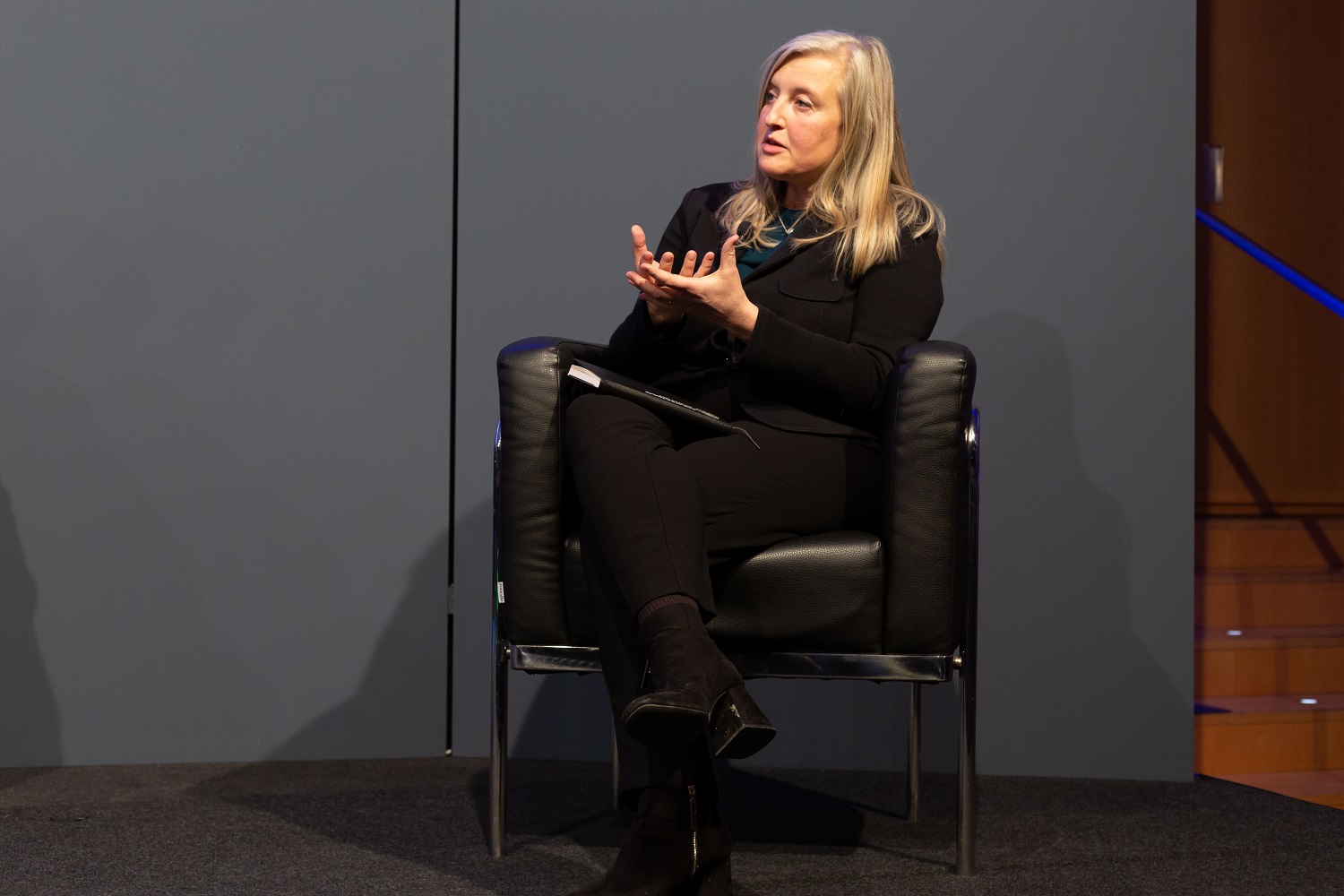
“Milan is known for its ability to deliver projects, and the resources that will come from the PNRR will undoubtedly be substantial,” confirmed Carlo Altomonte, Professor of European Economic Policy at Bocconi University.
“I’m referring in particular to the funds allocated for the city—for urban renewal, social housing, healthcare, and sustainable mobility initiatives.”
But he quickly added that further effort will be needed: “To win this challenge, we cannot limit ourselves to executing and managing the projects correctly—we must integrate them into the urban fabric, activating private capital, businesses, citizens, and a network of services to complement the public initiative and amplify its impact on the territory.”
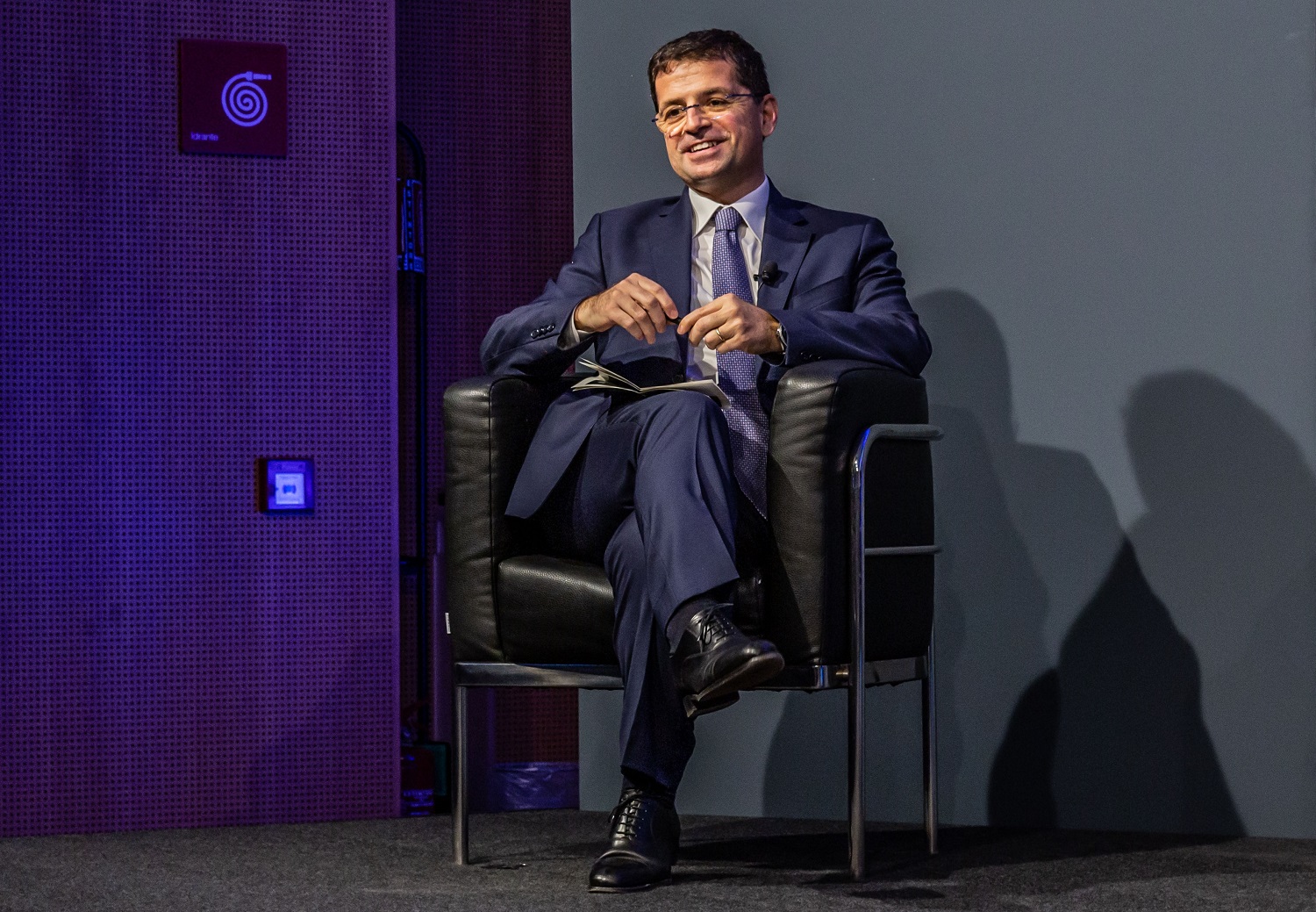
“A city is made by its people,” concluded Walter Magnoni, Professor of Social Ethics at Università Cattolica del Sacro Cuore.
“Today there is an urgent need to recover a city that knows how to be close to its people. We must not forget that everything is connected, everything is relationship. After the emergency, we learned how essential it is to reimagine proximity healthcare that, whenever possible, treats people at home.
We should ask ourselves: how much do we need to rethink this model? In a city that is aging, that has few children, and that must deal with the loneliness of the elderly and vulnerable, how can we recreate bonds so that there are not many separate cities within one? Areas that feel abandoned, lacking services, or dealing with unaffordable housing.
Proximity means rethinking all of this by putting people at the center—not as a slogan, but as a practice.”
REWATCH THE LIVE
INSIGHTS
corriere.it| facebook.com/corrieredellasera
fondazionecorriere.it | facebook.com/FondazioneCorriere
Press Review Piede Corsera | Corriere della Sera 23-03-2022