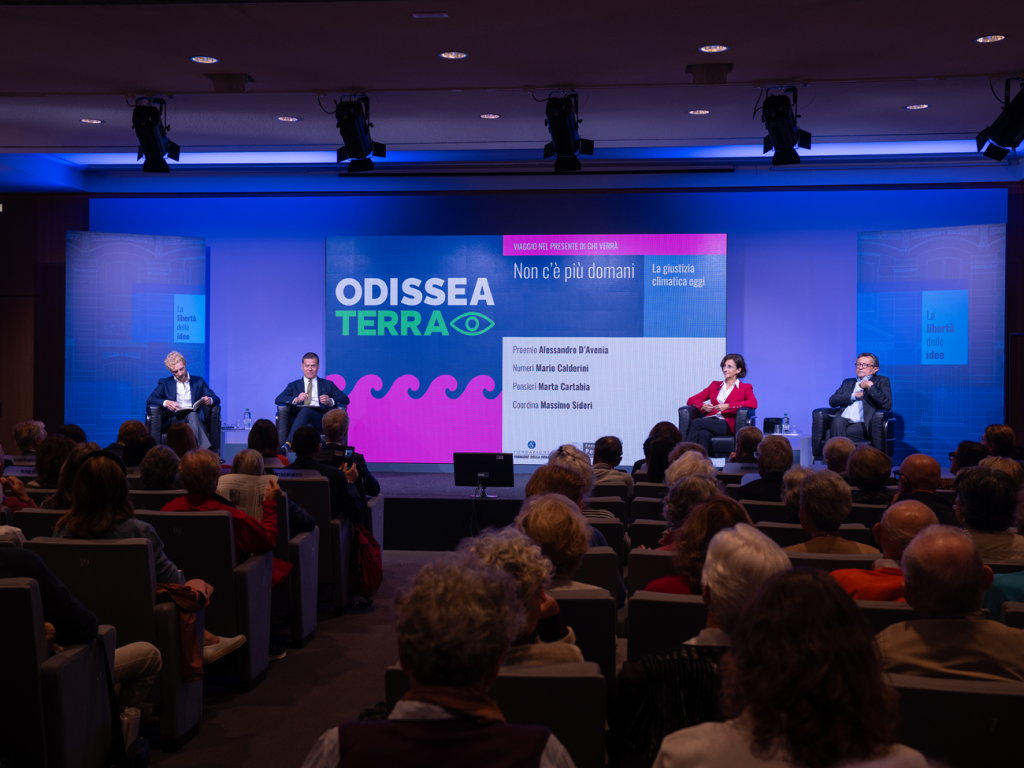
The Odissea Terra series resumes, promoted by Fondazione Pesenti and Fondazione Corriere della Sera, with the support of Italmobiliare.
Aware that our gathering takes place in a complex geopolitical context, marked by conflicts and growing violations of human rights, we believe it is essential not to neglect a deep reflection on the crises the world is facing, remembering above all that sustainability and rights are inextricably linked, as they touch the very foundations of justice, peace, and the possibility of a future. In this third conference, “Non c’è più domani. La giustizia climatica, oggi”, we wanted to highlight how sustainability is one of the fundamental principles of the Italian Constitution and, therefore, a responsibility that concerns all of us. The recent amendment of Article 9, which introduced the protection of “the environment, biodiversity and ecosystems, also in the interest of future generations,” represents a historic milestone. It is a recognition that tightly connects sustainability, rights, and their tangible consequences for the society in which we live.
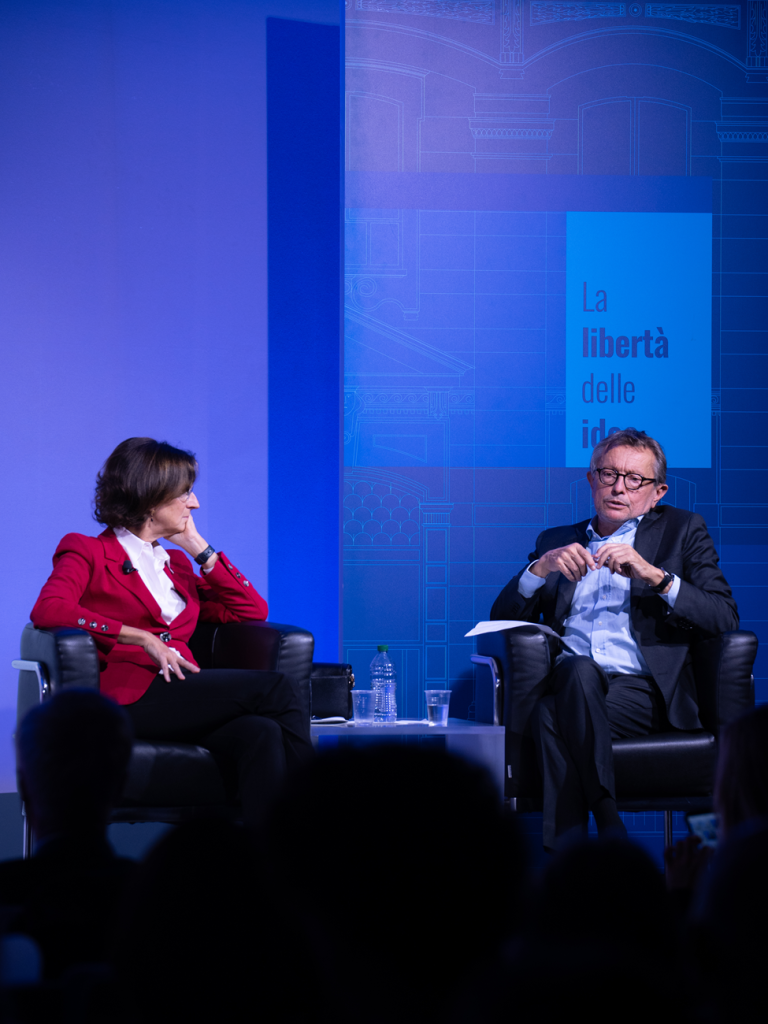
Guided by Massimo Sideri, editorialist at Corriere della Sera, three different yet complementary voices reflected on the profound meaning of sustainability: Alessandro D’Avenia, writer and PhD in Classical Literature, teacher of Literature in high school; Marta Cartabia, Professor of Italian and European Constitutional Law at Bocconi University, former President of the Constitutional Court and former Minister of Justice; and Mario Calderini, Professor of Management for Sustainability and Impact at Politecnico di Milano.
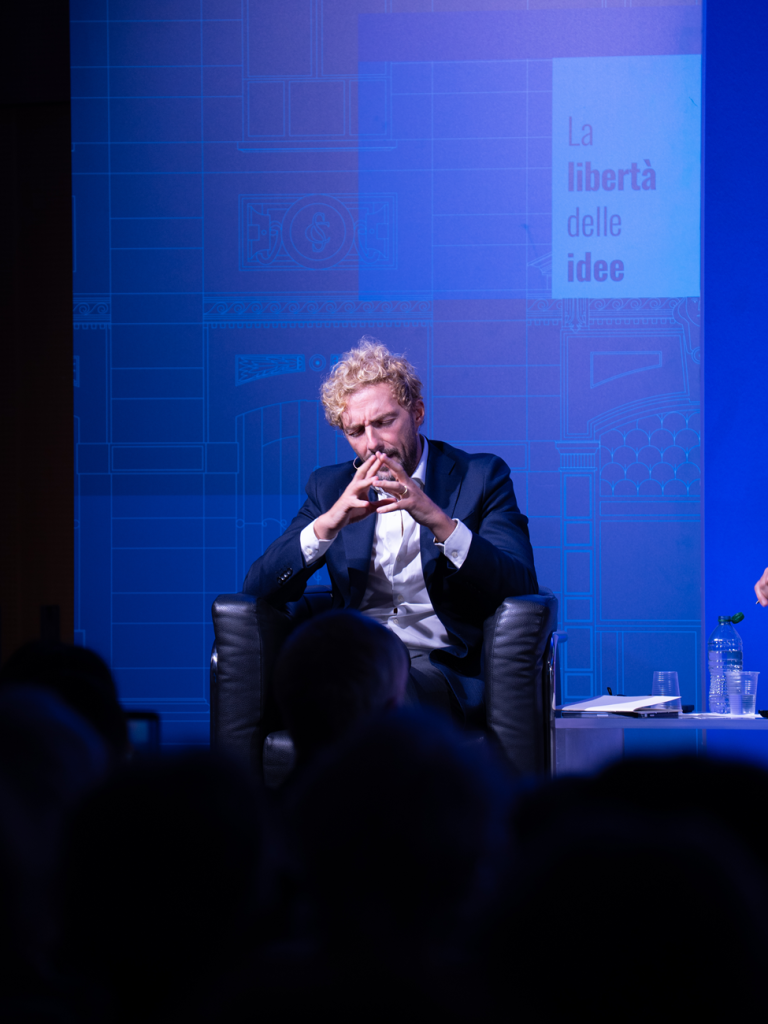
Alessandro D’Avenia reinterpreted the Odyssey as a journey of responsibility. Ulysses, the hero who refuses the illusion of eternity to return home and embrace his own fragility, becomes a symbol of humanity today, called to choose. “It is the awareness of being mortal that makes us alive,” the writer reminded, and it is precisely this consciousness of limits that restores value to every human gesture.
Sustainability, he explained, is not merely a set of practices or technical strategies: it is first of all an act of meaning, a way of inhabiting the world. “We can no longer live as if we were self-sufficient islands. Salvation, as Ulysses teaches us, is found only in the bond with others, in the capacity to return, to take care, to build community.”
D’Avenia stressed that the journey of the Homeric hero is a metaphor for a collective path: one made of mistakes, temptations, and obstacles, but also of radical choices that demand courage and responsibility. “Every time we give up immediate selfishness to think about the consequences of our actions on tomorrow, we make our small return to Ithaca,” he said, recalling that the true legacy to leave to future generations is not only an intact planet, but a shared horizon of meaning.
On the institutional side, Marta Cartabia highlighted how the inclusion of environmental protection and the rights of future generations among the fundamental principles of the Constitution marks a historic step: “It is no longer just a social sensitivity, but a right enforceable in court.”
This progress paves the way for new forms of active citizenship and collective responsibility. “The Republic is not only the State – Cartabia reminded – but all of us, called to share the weight and duty of choices.” In this perspective, sustainability is not an abstract obligation, but a concrete commitment that concerns every level of society: institutions, businesses, and individual citizens. She emphasized that when laws are written, a normative experience already exists within social life. Paolo Grossi, a master of legal history, spoke of the invention of law, where invention mean invenire, “to find what already exists,” and not a purely artificial creation.
Thus, the kind of law capable of changing something in depth already exists in social life, otherwise it is only a normative cage imposed from outside.
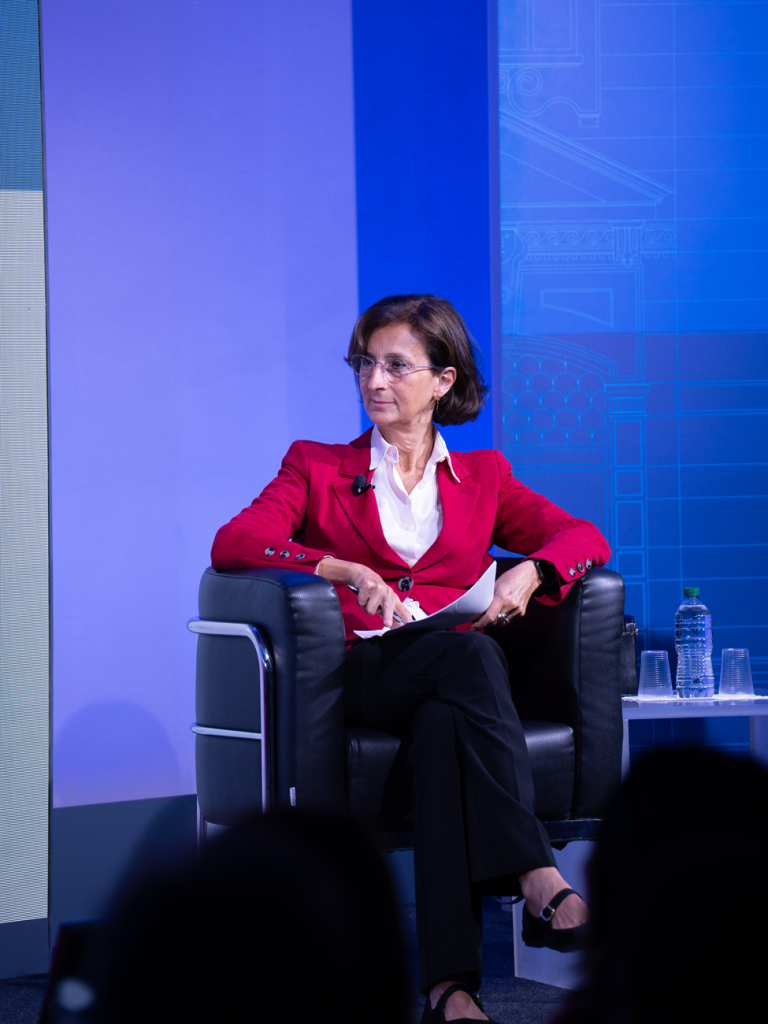
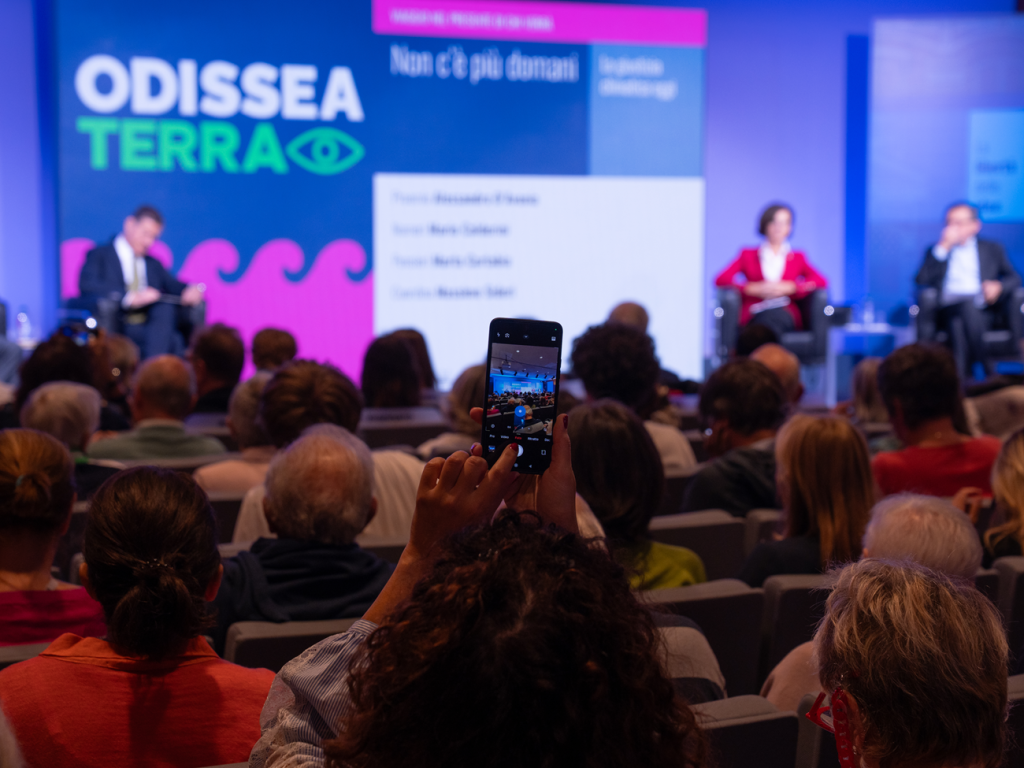
Cartabia also pointed out that recent experiences of climate litigation demonstrate the vitality of the new constitutional principle: “Young people who turn to the courts to demand the protection of their future are not an anomaly, but a sign that democracy is adapting to the challenges of our time.”
Addressing the audience, she finally recalled the need for widespread engagement: “No law, on its own, is sufficient. It is civic culture that transforms principles into everyday behavior. The real strength of the Constitution is its capacity to become lived life.”
The data presented by Mario Calderini gave urgency and concreteness to the issue. The key message from the numbers we must reflect upon is that, on one hand, climate change weighs most heavily on the most vulnerable – the poor, the elderly, and less educated populations – and, on the other, those who are most harmed by climate change are often the most opposed to the measures designed to counter it.
To support this argument, he cited striking figures: “ If you are born in a poor place, you are 15 times more likely to die than someone born in a wealthy one”. “The poorly educated, the elderly, and the fragile are much more likely to be among the 100 million people who will suffer from malnutrition by 2030. It will be the weak, the fragile, the excluded who will suffer ” Or again: “The 250,000 deaths from climate-related disasters between now and 2030 will be among the most fragile, the sick, the poorest, and the least educated”, “If you live in a rural area, have little education, and a low income, it is highly probable that you will be among the billions of migrants who will be forced to move over the next 30 years.”
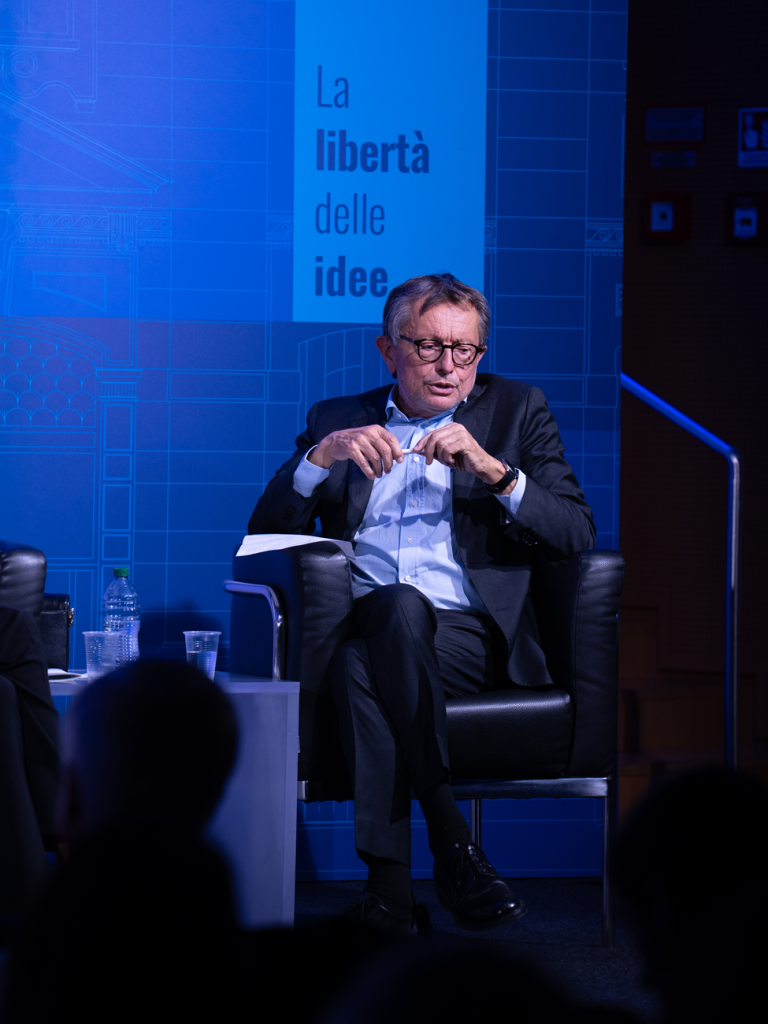
Calderini warned against an approach to sustainability that risks producing new inequalities: “We cannot ask citizens to choose between bread and the environment. If the green transition becomes a privilege of the rich, it will inevitably be rejected.” For this reason, he concluded his speech by insisting on the need for policies capable of distributing costs and benefits fairly: “Every time an environmental measure generates exclusion or social marginalization, it moves away from its very goal.”
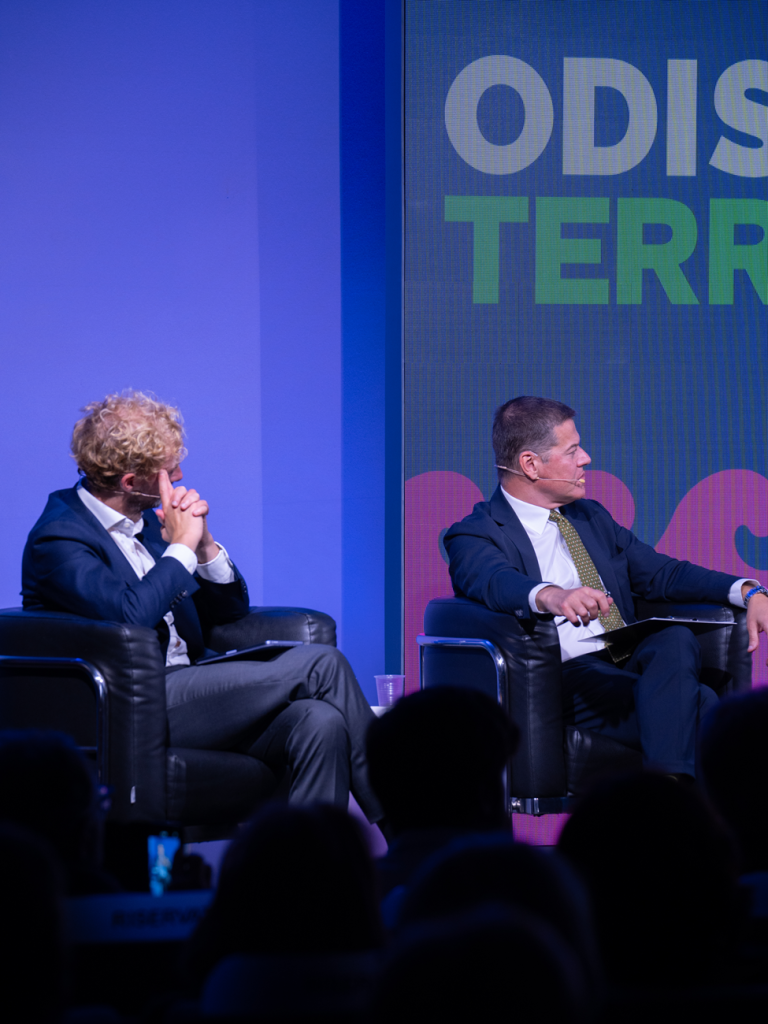
The conference closed with a strong and shared thread: sustainability is not only a technical or environmental issue, but a cultural and democratic one, that concerns the life of each and every one of us.
“The choices must be made now,” Sideri emphasized, calling the audience to the urgency of the present. Because the real stake is not only the planet, but the quality of our coexistence and the very meaning of justice between generations.