In 2025, Fondazione Pesenti provided funding to the Atacama360 Cooperative, a social cooperative established in 2021 within the Bollate prison. Its statutory mission is to train inmates — and, more broadly, vulnerable individuals — to facilitate their reintegration into the workforce. The cooperative also carries out preventive activities for young people at risk of school dropout or social deviance.
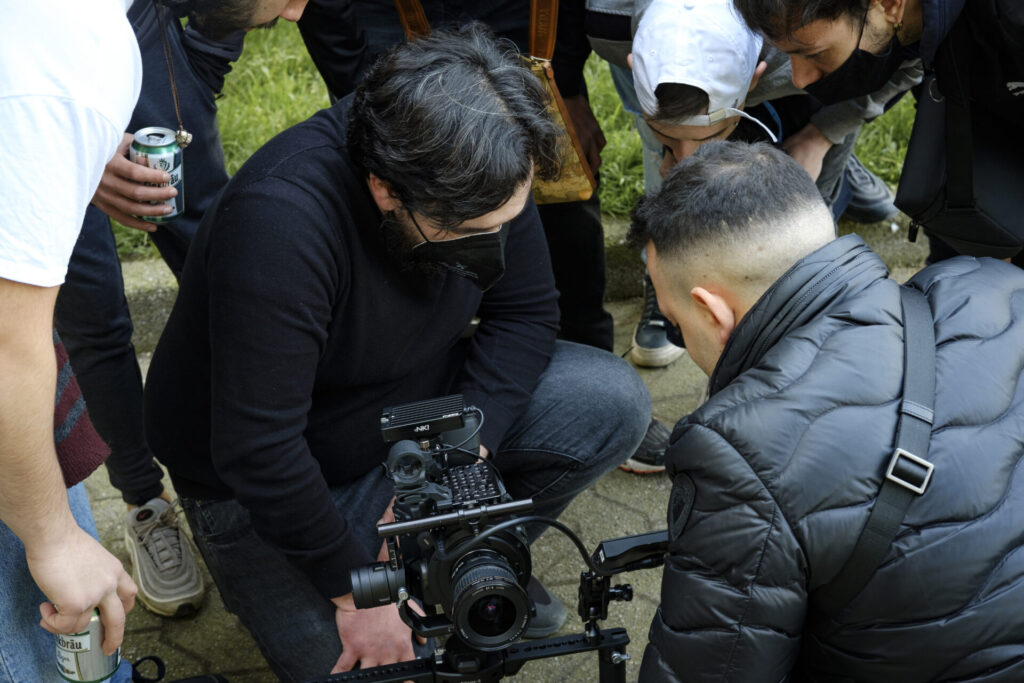
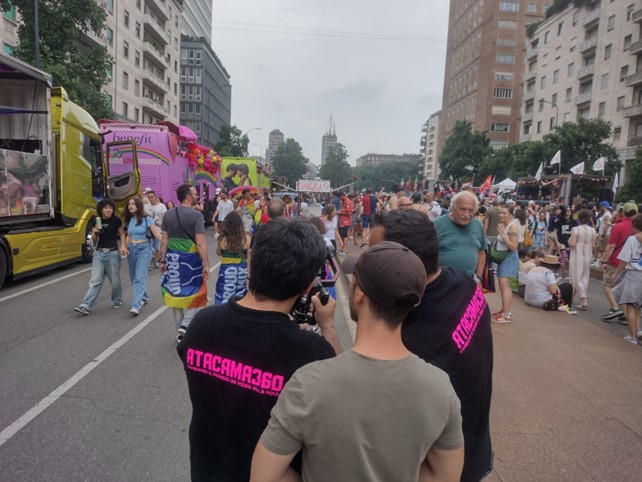
Atacama is a video production company, with directors, cinematographers, camera operators, sound technicians, and all the professionals typically found in a traditional production house — but some of them are current or former inmates.
By working, they teach a trade to vulnerable individuals, offering them a real opportunity to reintegrate into civil society as active participants.
The project supported by Fondazione Pesenti is called “Educare in strada” (“Street education”). It targets the outskirts of Milan, where widespread social hardship often fosters youth micro-criminality, the emergence of baby gangs, and the abandonment of educational paths crucial for future job opportunities.
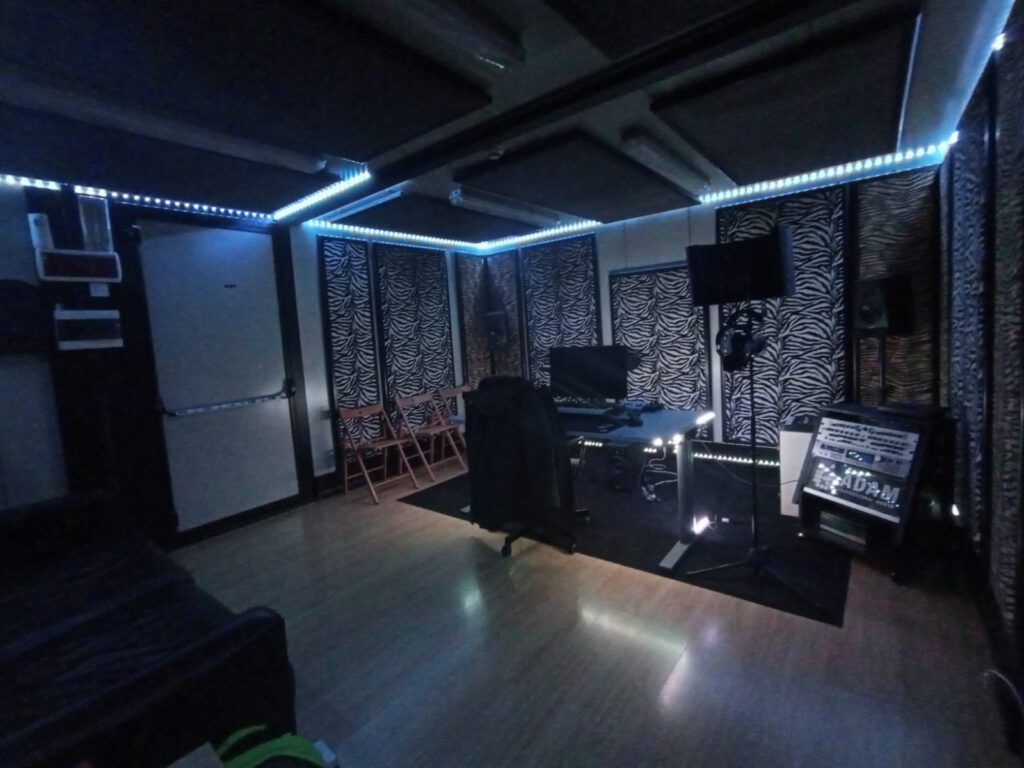
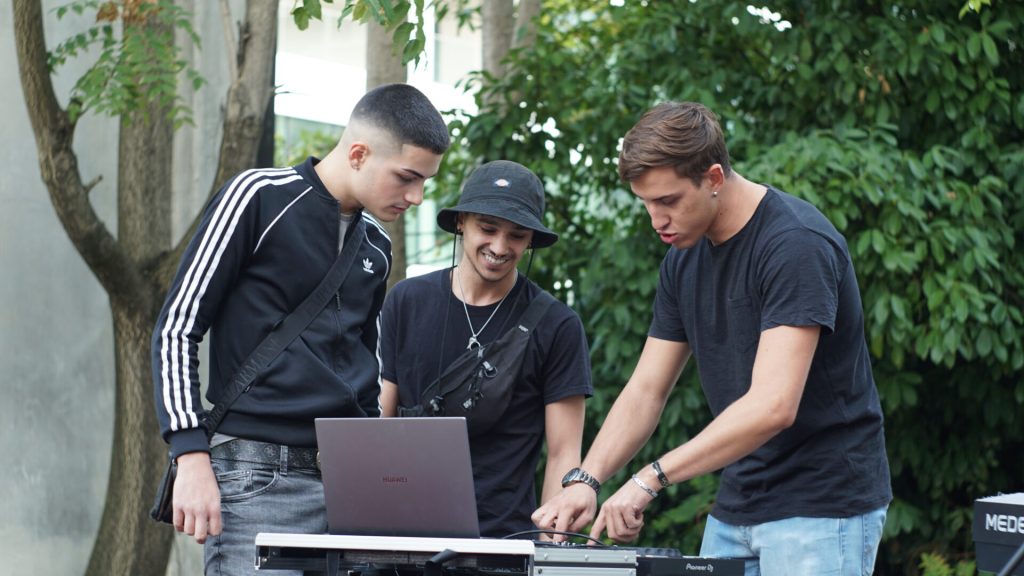
The project involves the creation of a record label, Attitude Recordz, which uses music production in recording studios and “on the road” video clips to help these young people rebuild a world of passions and self-awareness — to sublimate anger through creative processes, while also developing teamwork skills and a sense of responsibility for a project’s outcome. This is what we call street-based education. When we think of education, we’re usually referring to the “formal” kind that takes place in classrooms. But how do we reach youth who have drifted away from those classrooms? By focusing on more informal and hands-on learning, and by bringing education directly into the communities and streets where young people live.
It’s a way to break down barriers to education and deliver an inclusive learning experience to people regardless of their social or economic situation. This approach requires flexibility and creativity to adapt to the environments in which it’s implemented — and for that very reason, it fosters active student engagement, encouraging participation, autonomy, and self-esteem.
“When we bring these young people into the studio to record their songs or make them the stars of music videos, we witness their awareness of self-worth awaken — along with the hope of becoming the protagonists of their own lives. We know we’re not replacing formal education, but we also know that we’re getting them off the streets, because we’re transforming the street into a place where they can find themselves, not lose themselves.“