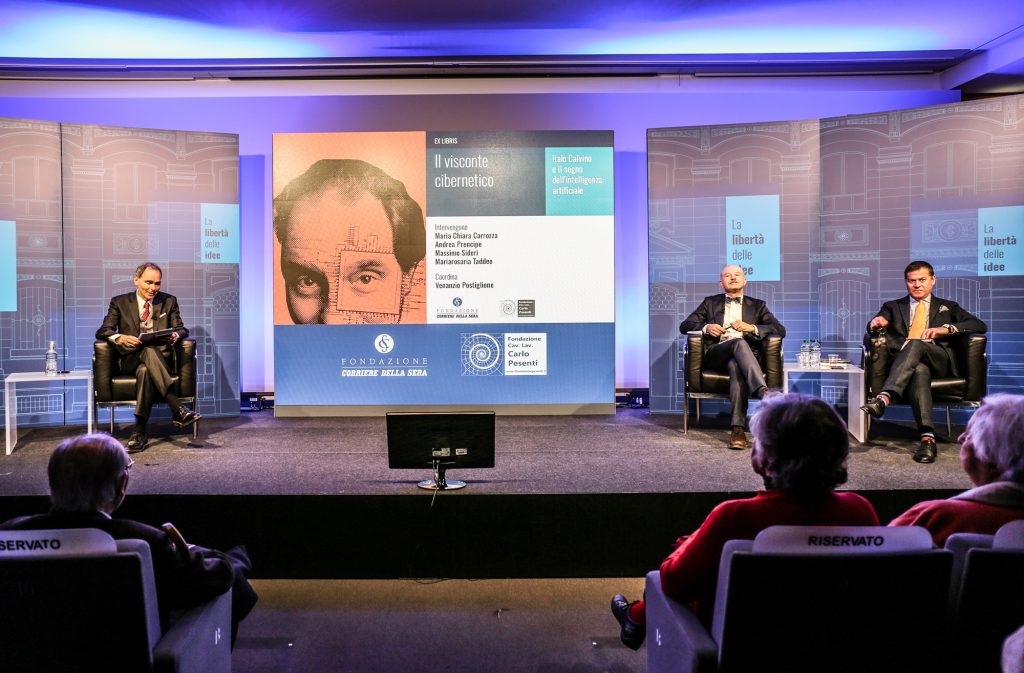
On Wednesday, February 28, in Milan, the event The Cybernetic Viscount: Italo Calvino and the Dream of Artificial Intelligence was held , organized as part of the collaboration between Fondazione Pesenti and the Fondazione Corriere della Sera.
The book Il Visconte Cibernetico, published by LUISS University Press, explores Calvino’s thought and work in relation to the evolution of artificial intelligence and its implications. Italo Calvino was a writer capable of anticipating the themes and challenges of our time, such as the relationship between humans and machines, the complexity of the world, and the search for a method to navigate it. His interest in science and technology led him to explore the potential of artificial intelligence, both as a tool for literary creation and as an object of philosophical and ethical reflection
The authors, Andrea Prencipe and Massimo Sideri, illustrated how the writer developed what can be called the “Calvino method,” based on the interplay of opposites—a method that can be useful in understanding and managing the challenges of the digital age.
The event was opened by Venanzio Postiglione, Deputy Editor of Corriere della Sera:
“I thank the Pesenti Foundation and the Corriere Foundation for organizing these events, which represent the perfect kind of talk—spaces where dialogue happens without the need for applause.”
Andrea Prencipe, Rector of LUISS and Professor of Organization and Innovation, introduced Calvino’s visionary nature:
“In the 1967 text Cybernetics and Ghosts, he was essentially talking about ChatGPT,” he noted. “All of Calvino’s work—and here I fully admit my bias—contains hints and insights to help us glimpse the future. To articulate and develop what the future of various human domains, including innovation, should be—something we’ve been increasingly focused on.”
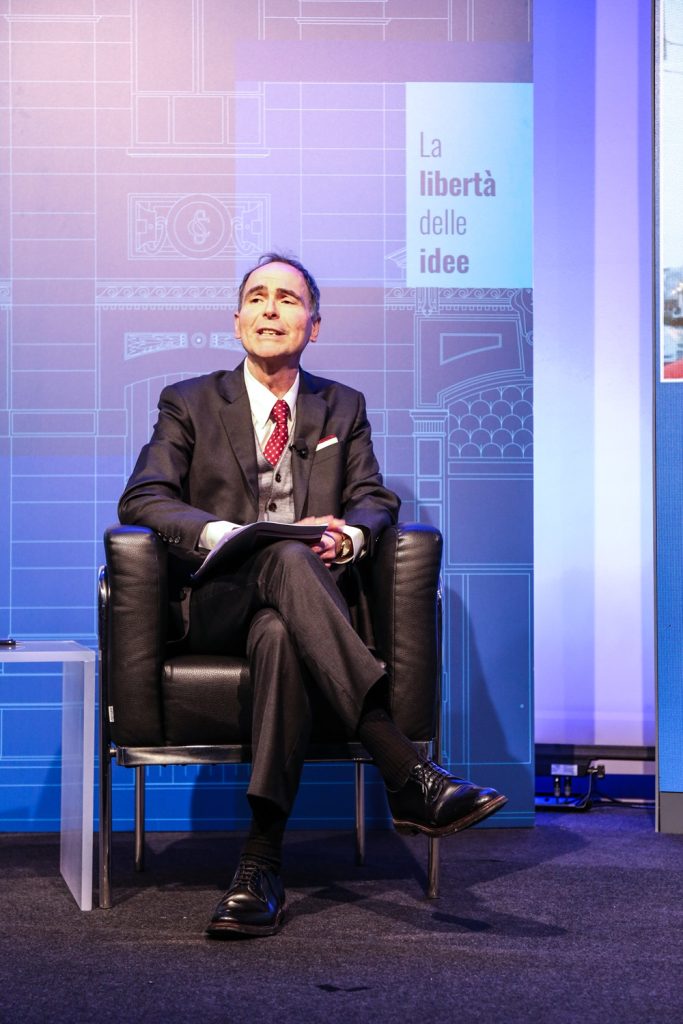
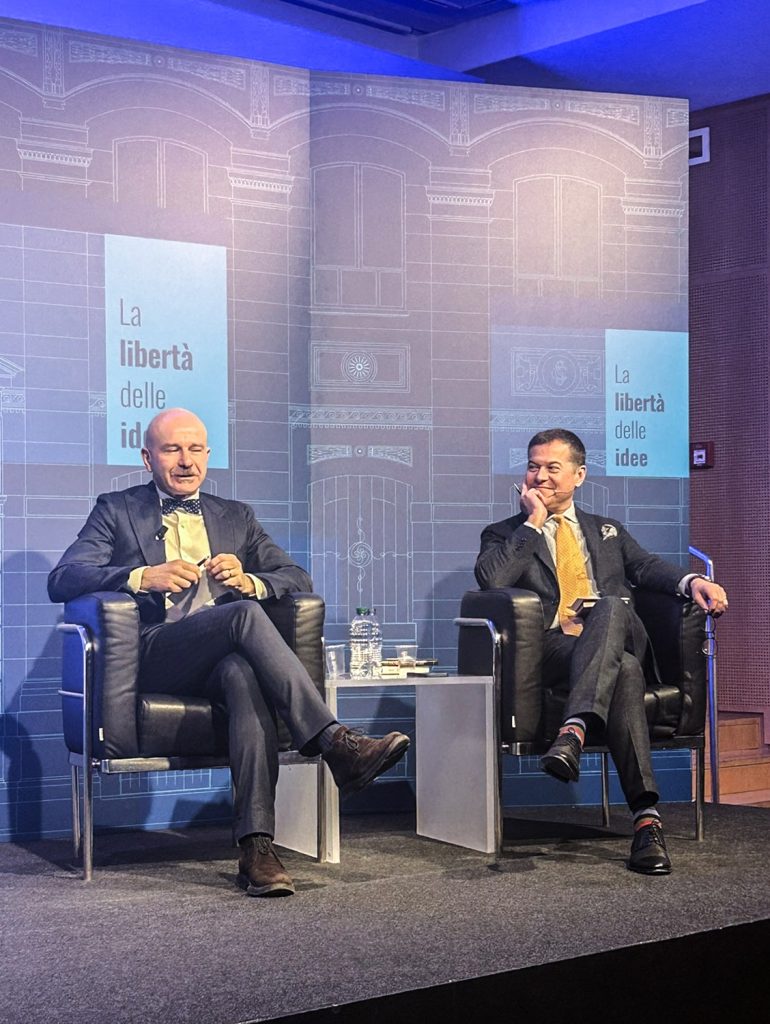
Venanzio Postiglione, Andrea Prencipe and Massimo Sideri
Massimo Sideri, Columnist for Corriere della Sera, emphasized:
“In this book, we examine an author who can truly be defined as ‘a contemporary of the future.’ That’s not an exaggeration—the lectures commissioned to him by Harvard University to reflect on the new millennium testify to this ability.”
“Guided by this visionary writer, we realized that we cannot give up on imagining the improbable. We’re told about a deterministic future, but the ability to question it remains essential—it must remain a fiercely human trait.”
Maria Chiara Carrozza, President of the National Research Council (CNR) and Professor of Industrial Bioengineering at the Sant’Anna School of Advanced Studies, noted: “We still don’t know how to define natural intelligence”. While we’re currently examining artificial intelligence, we’re also facing broader questions about the future of the planet and our balance as a species. One of our key human traits is creativity—which is being challenged by AI, especially generative AI. It forces us to reflect on our own originality. But it’s important to recognize that research and divergent thinking can help us. They can become powerful tools not only to predict the future but also to build it.”
Mariarosaria Taddeo, Professor of Digital Ethics and Defence Technologies at the Oxford Internet Institute, added:
“We must learn to think in nuanced ways. We live in a sea of information, but we need the ability to swim and navigate, to think not only critically but also clearly. Critical thinking isn’t enough by itself—it’s essential in the context of the digital information revolution, where we need guidance.”
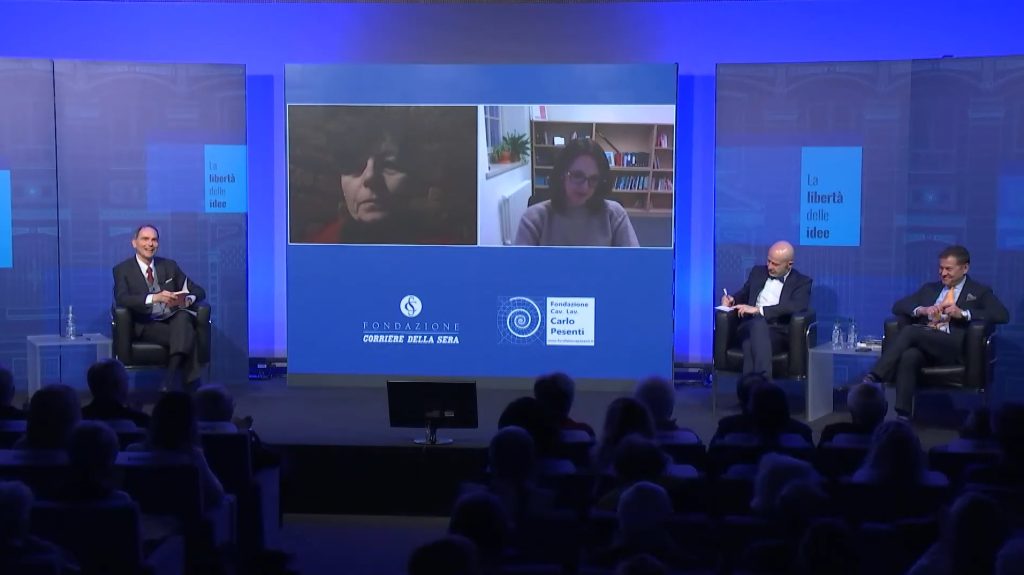
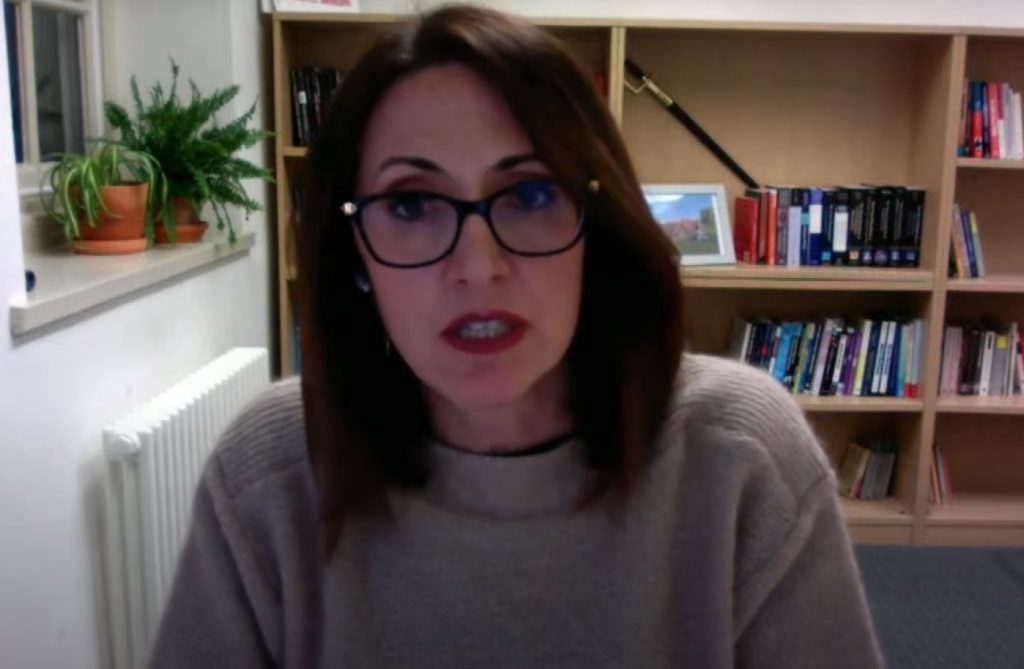
Mariarosaria Taddeo
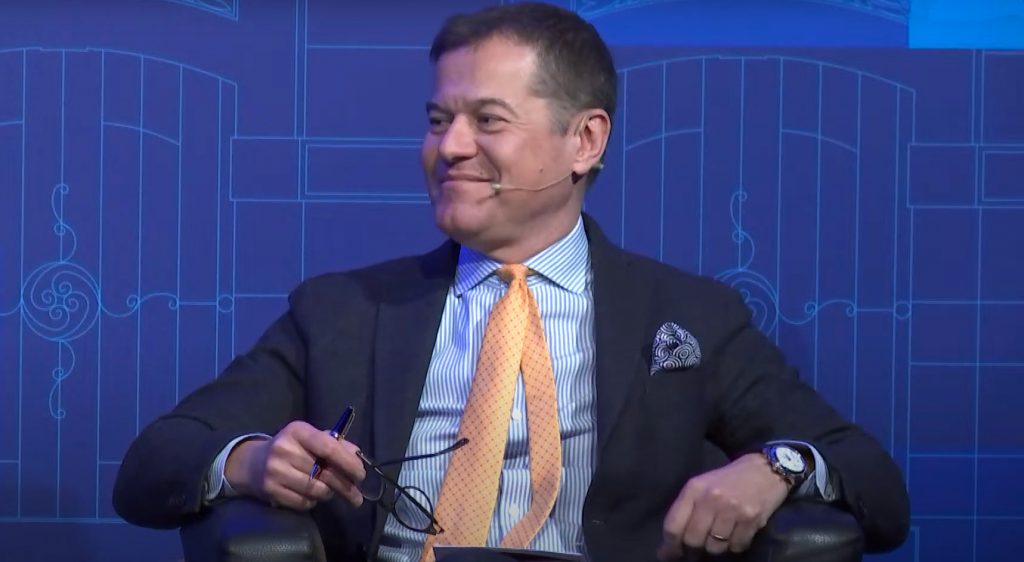
Massimo Sideri and Maria Chiara Carrozza
REWATCH THE LIVE
INSIGHTS