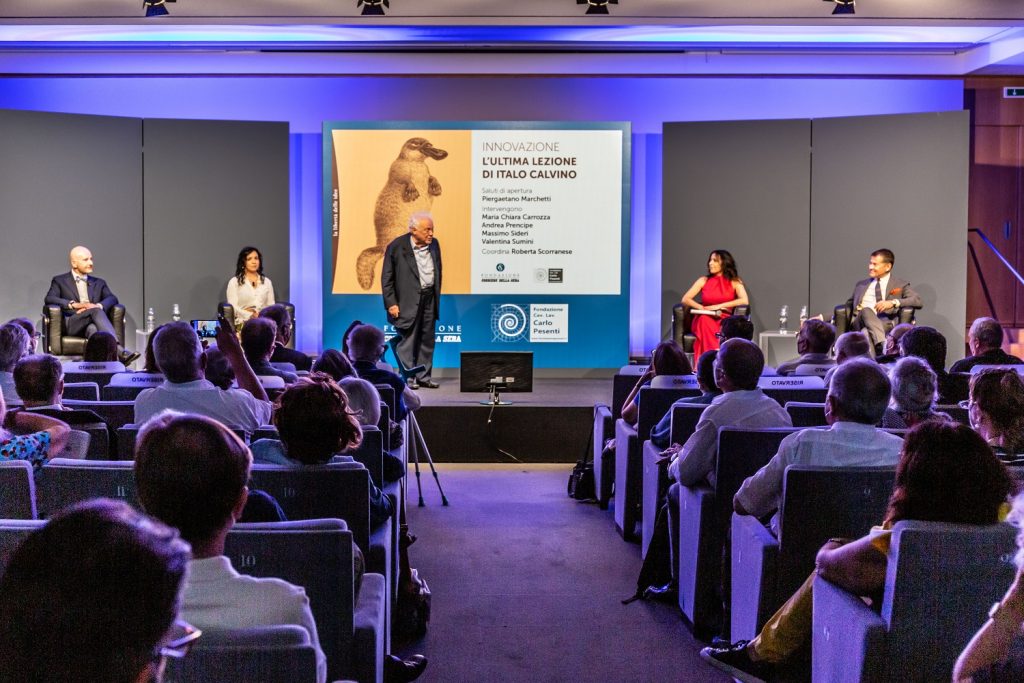
Wednesday, June 29, 2022 – The event “Innovation: Italo Calvino’s final lesson” took place on June 27, 2022, promoted by the Fondazione Corriere della Sera and Fondazione Pesenti, and held at the Buzzati Hall of Corriere della Sera
The meeting was opened by Piergaetano Marchetti, President of the Corriere della Sera Foundation, who emphasized the importance and originality of the event: “Today we’ll be talking about innovation, but we will explore the topic through the reading and analysis of Italo Calvino’s final lecture — a choice that might seem contradictory at first glance. Our authors, Andrea Prencipe and Massimo Sideri, will share their approach in engaging with the great Italian writer’s Six Memos for the Next Millennium in their new book entitled L’innovatore rampante. L’ultima lezione di Italo Calvino (The Tree-Climbing Innovator: Calvino’s Final Lesson), ,published by Luiss University Press. The themes they address include lightness, quickness, exactitude, visibility, multiplicity, and consistency — all in pursuit of a synthesis between the humanities and the principles of scientific inquiry, built upon the fertile tension of opposites.”
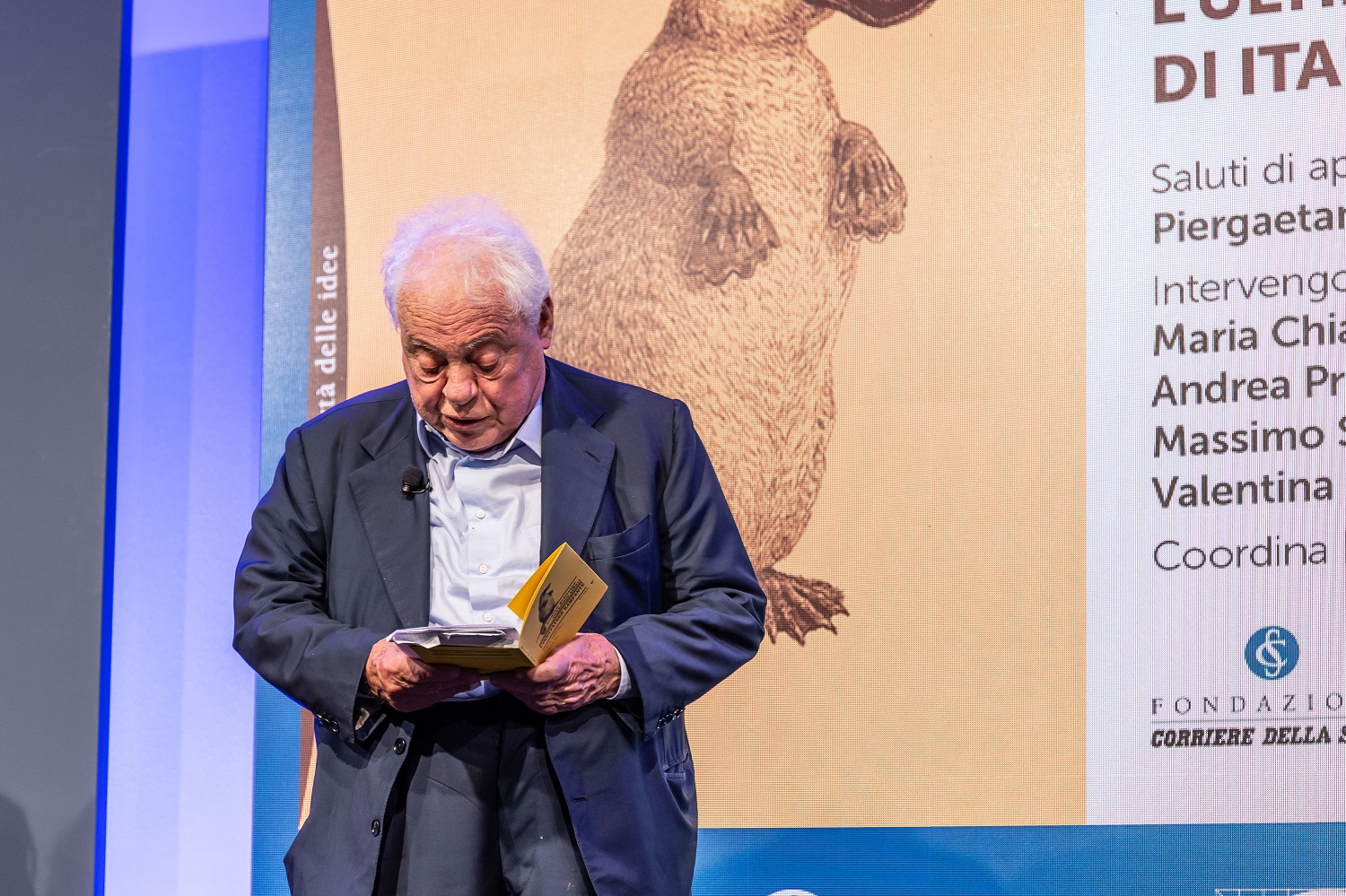
“This book isn’t a remake of the American lectures, but a return to reality — to the innovative essence that underlies all of Calvino’s work.”
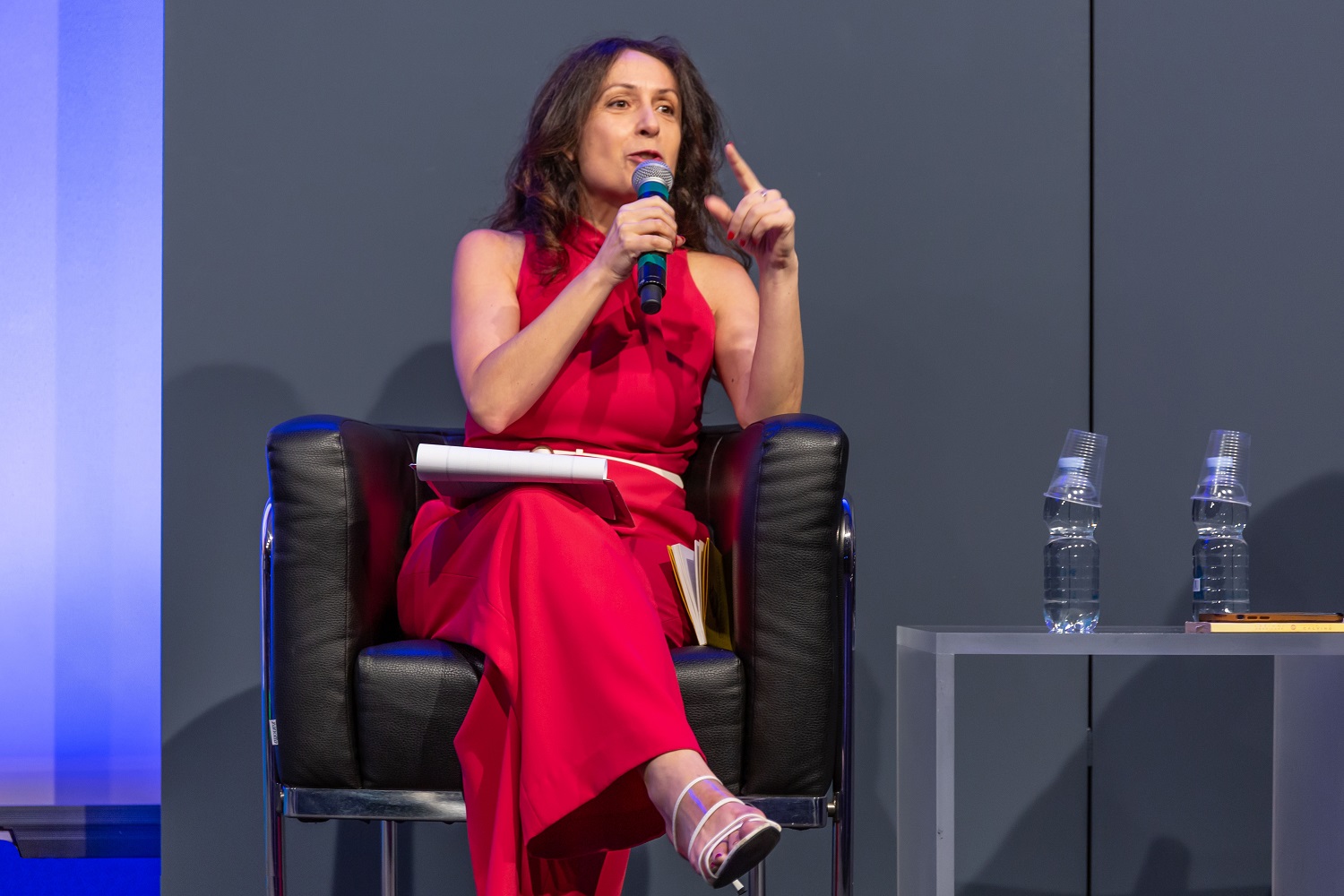
Roberta Scorranese, journalist for Corriere della Sera and moderator of the event, opened the discussion with a question to the authors:
“What do we mean by innovation — and more specifically, what does innovation mean in reference to Italo Calvino?”
“This project was born in collaboration with Andrea Prencipe from a shared passion for both innovation and Calvino’s work. It’s actually part of a planned trilogy, which will continue with L’innovatore dimezzato (The Cloven Innovator). Massimo Sideri, Corriere della Sera reporter and editorialist, presented the book: we were aware we were touching a sacred figure. Writing this book allowed us to change our perspective, as if we had climbed onto a giant’s shoulders. We knew we would find an open, but hard-to-decipher, view of innovation — yet a luminous one. Calvino wrote these lectures at the invitation of Harvard University, which had asked him to deliver six talks interpreting the new millennium. In them, he revealed many prophetic insights. We simply followed his reasoning and examined his method, which seeks to dismantle the walls erected over centuries between scientific and humanistic culture.”
“We tried to delve into the Six Memos for the Next Millennium to understand just how much the author himself was able to truly envision the future,” said Andrea Prencipe, Rector of Luiss University and Professor of Organization and Innovation, as he shared with the audience the origins of the project and explained the so-called Calvino Method.
“Calvino attempts to illustrate six concepts that might help us face the future, and we started precisely from these to open a broader conversation on innovation. But what exactly is the Calvino Method? Even the title Six Memos for the Next Millennium hints at the idea of an oxymoron. It’s a method that asks us to approach any concept by starting from its opposite. For instance, when he speaks of lightness, he winks at gravity; when he discusses exactitude, he highlights the value of inexactitude; when he explores the challenges of multiplicity, he emphasizes the importance of uniqueness.
Through a dance of opposites, we see how Calvino was able to describe what he believed might come true in the future—strongly reinforcing the idea that every concept needs its opposite in order to be understood and to take shape. Innovation, after all, is a process that requires the convergence of opposing forces; it’s a phenomenon that defies rules. That’s precisely why we chose the platypus for the cover of our book—an animal that disobeys the laws of nature.”
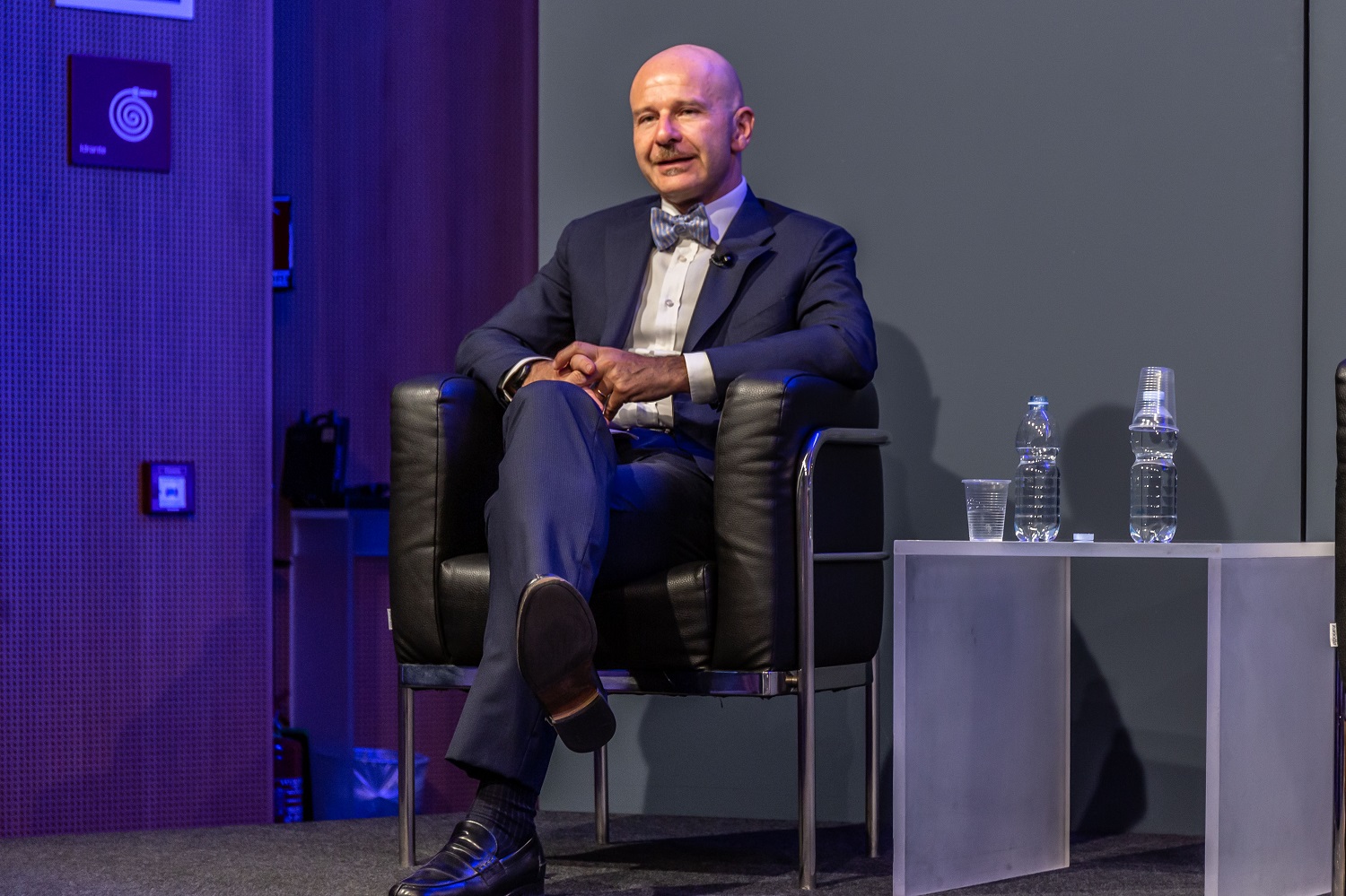
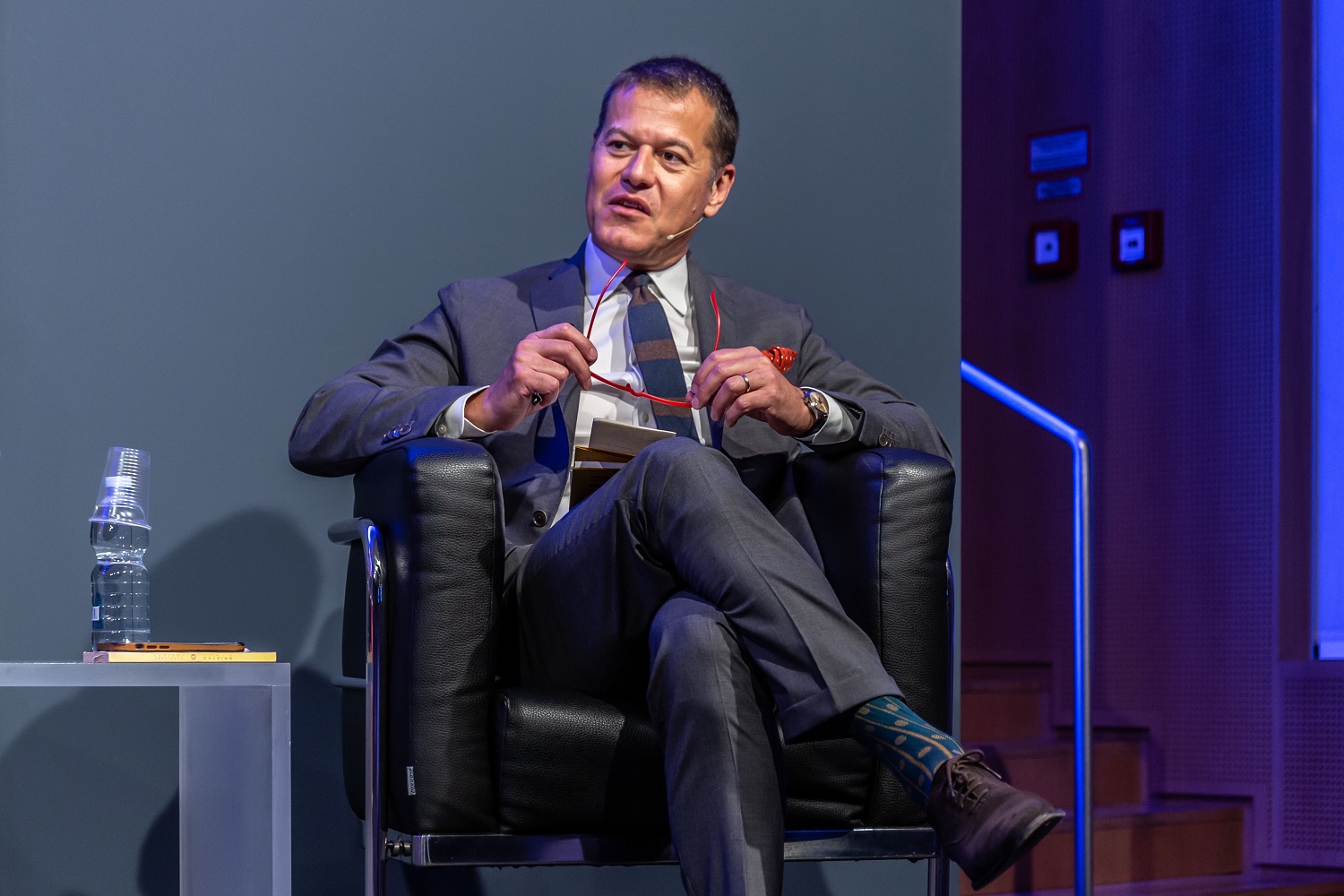
“The book also contains numerous references to the world of space,” said Valentina Sumini, Research Affiliate at the MIT Media Lab and lecturer in Architecture for Human Space Exploration at Politecnico di Milano, who closed the event by offering the perspective of someone actively working in the field of innovation. “One example is the section focused on the theme of perceived lightness, with a reference to the Apollo missions, which brought renewed attention to the concept of reduced gravity—this experience of perceived lightness for the first time, which allowed us to better understand Earth’s gravity, once again through the lens of its opposite.”
Sumini shared how she found many elements in the book that resonate deeply with her profession: “The figure of the space architect is closely tied to that of the innovator and echoes the metaphor of the platypus. It’s an extremely versatile and deeply multidisciplinary role—designing for extreme environments, including those beyond Earth’s ecosystem. In this kind of design work, it’s not enough to think in purely architectural terms. There are multiple aspects to consider, starting with the challenges of creating habitats in environments with reduced atmosphere and gravity, where the body floats freely through space.”
She continued, “To this you must add the theme of distance from home, which brings in the expertise of psychologists and other professionals, who help develop solutions to mitigate the negative effects of isolation in extreme environments—particularly for medium- to long-duration missions. The architect, therefore, takes on the role of coordinating highly specialized disciplines, with the goal of shaping human life and envisioning societal scenarios beyond Earth, on other celestial bodies.”

REWATCH THE LIVE
INSIGHTS