Fondazione Pesenti with Doctors with Africa (Medici con l’Africa – CUAMM)

With a strong sense of responsibility and commitment to the health of vulnerable populations, Fondazione Pesenti confirms for the third consecutive year its support for Doctors with Africa CUAMM.

The intervention focuses on Mundri East County, in Western Equatoria State, South Sudan, where the Lui Hospital and the adjacent Midwifery School serve as essential points of reference for the health of more than 170,000 people.

Doctors with Africa CUAMM has been operating at the Lui Hospital since 2009, in close collaboration with the local Diocese, which owns the facility, and with the Ministry of Health. The Ministry recognizes the hospital as the only referral center in the area and considers it an integral part of the national healthcare system.

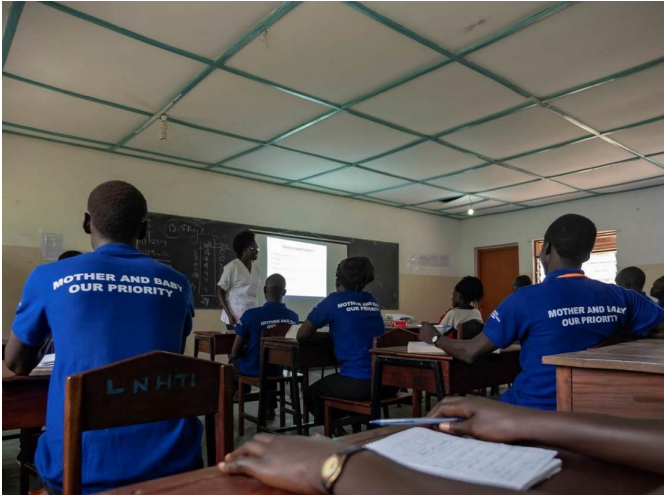
The Midwifery Training School consists of a classroom building (with 3 rooms for theoretical courses, 1 practice room, and 1 library), a canteen with kitchens, two dormitories (each divided into a sleeping area and a study area), two houses for teachers, a service area (bathrooms, showers, washrooms), and a recreational area.

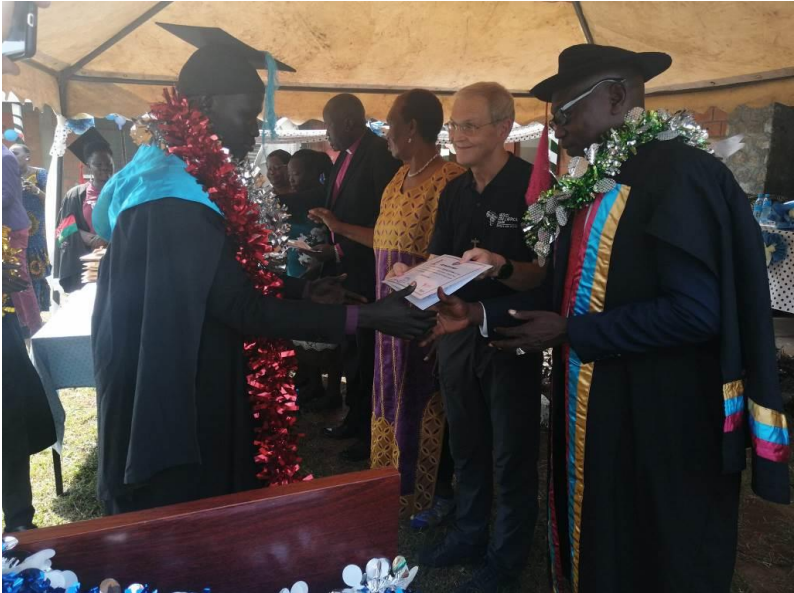
The third three-year cycle began on April 25, 2023, with the official selection of 22 new students (9 men and 13 women) from various regions of the country. The students come from nine different states of present-day South Sudan, highlighting the significance of this experience not only from a professional but also a human perspective. Studying alongside classmates of different ethnicities and backgrounds offers these young people an important training ground for contributing to the peacebuilding process in a country that has suffered years of internal conflict—fostering reconciliation also through social experiences. Upon arrival, the students were welcomed by their tutor, Judith Abwol, who, in collaboration with the support staff at the school, had prepared clean and comfortable accommodations for them in the weeks prior. In the following weeks, the new headmistress, Lucy Joan Abalo, also arrived. She began planning the academic year, preparing teaching materials, organizing the curriculum, and involving the hospital’s healthcare staff in leading some of the specialized modules.