Relationships with the host family
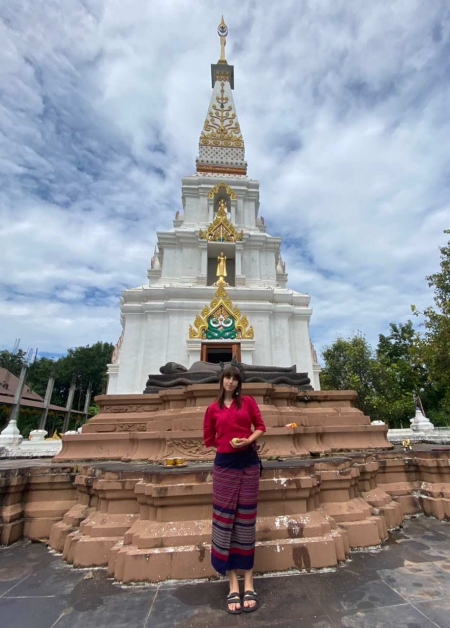
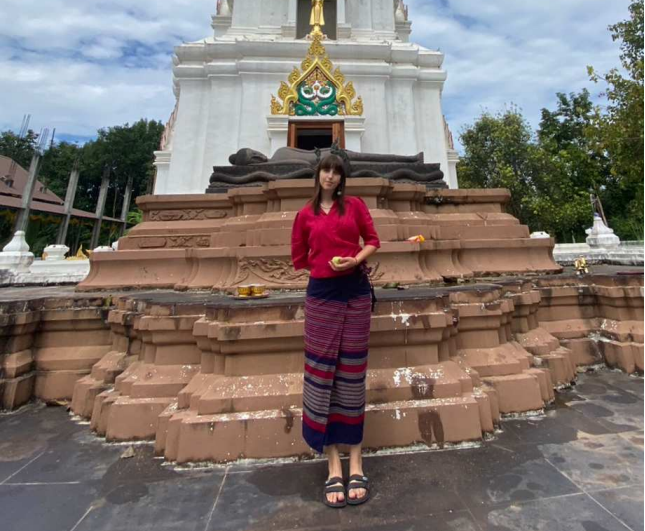
In Thailand, the family unit is very important: grandparents, parents, children, uncles, and cousins live together or at least see each other frequently. My host family is exactly like this: at home, I live with my host mom, dad, and the two daughters of my brother, whom I consider my “little sisters.”
After school, I go to the family business office, where I spend time with my brothers, their girlfriends, and my nieces.
I’ve become very close with my cousin’s girlfriend—she’s 21 and lives in Bangkok because she studies at university there, so I get to see her when she returns to our city. I enjoy spending time with my family. Since it’s so large, I never get bored.
Relationships with the host community and friends
Communicating easily and without misunderstandings is one of the main challenges I’m facing at the moment.
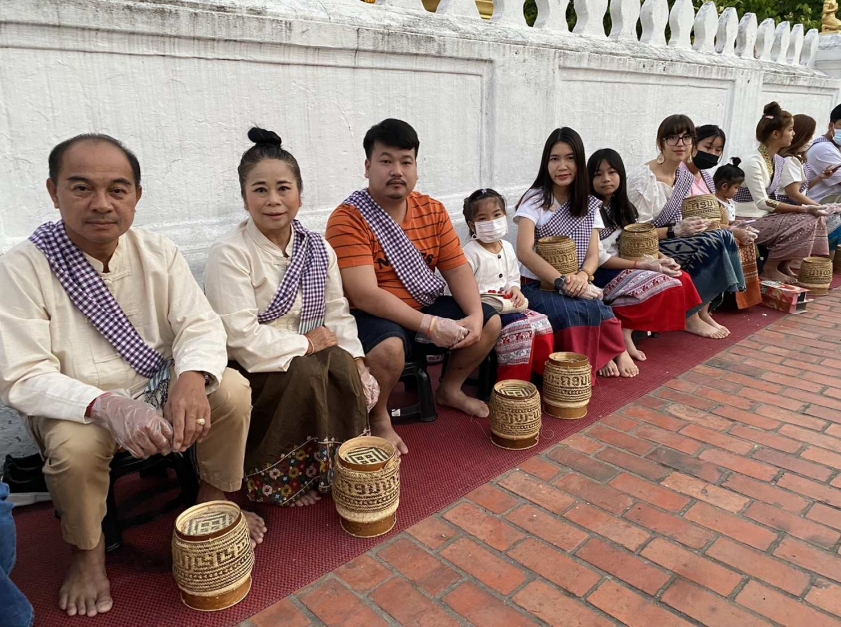
Thai is a difficult language and very different from Italian, so communication can be hard. Since I’m not living in the capital, it’s not guaranteed that everyone knows English. For example, my host family doesn’t speak English, so for more important conversations I rely on my aunt or cousin, who both speak both languages.
When it comes to friendships, I tend to bond more with those who speak English because with others it’s difficult to understand each other and have a real dialogue.
My school performance, both from the point of view of profit and in regard to interpersonal relationships (with classmates and teachers)
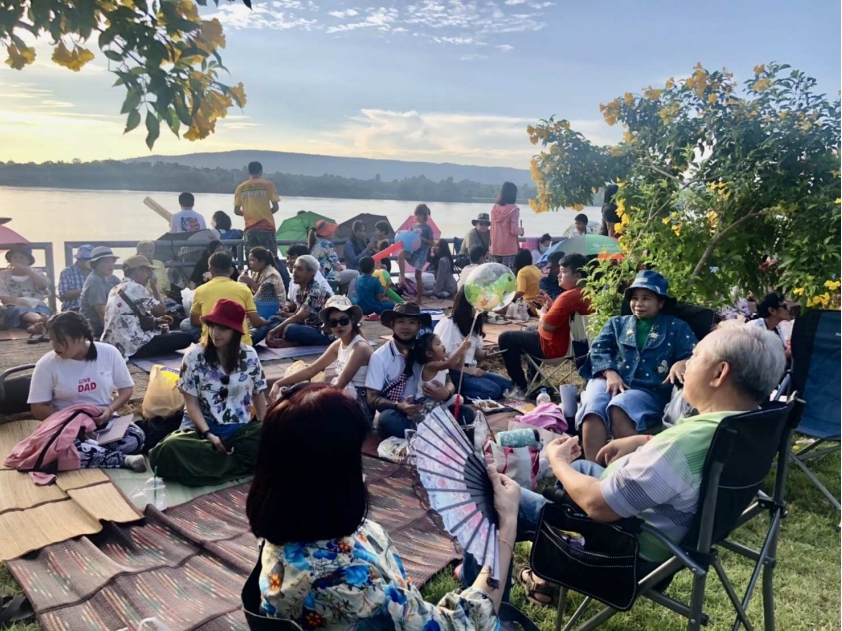
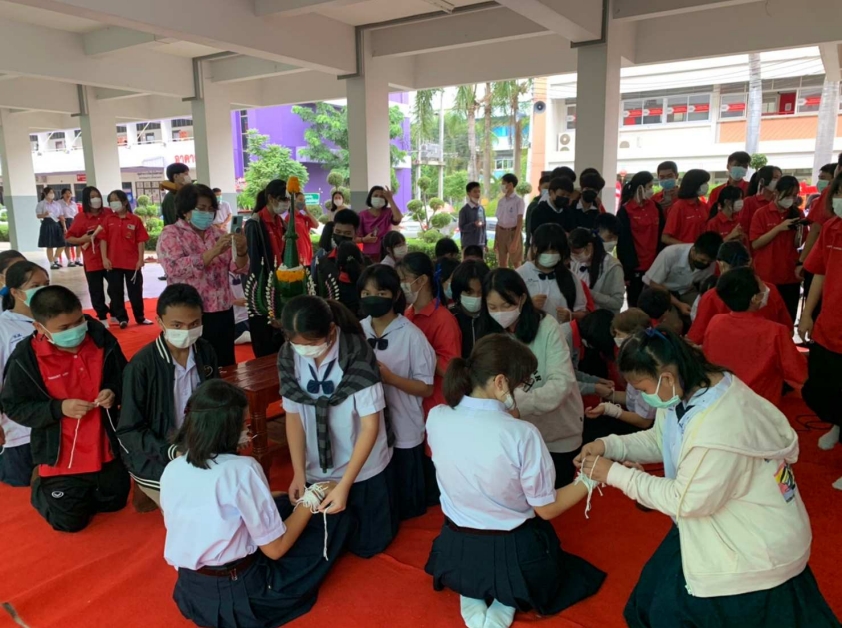
On the first days of school, the other exchange students and I were welcomed warmly with a Buddhist ceremony. Students and teachers came to us and each one tied a white string bracelet around our wrists—it was very emotional.
The students are fascinated by us foreigners; for many of them, it’s the first time seeing someone from another country.
Many students can’t speak English or are too shy, but they’re always extremely kind and eager to include us in activities.
I have a friendly and respectful relationship with the teachers—we joke, but there’s also mutual respect.
My academic performance is good: I can understand the lessons in English, which makes me happy because I thought it would be much harder. A month ago, we took end-of-semester tests, and I achieved good scores in all subjects.
At school, we mostly study science subjects, but sports also play an important role.
As exchange students, we get the chance to participate in cultural activities: Thai language lessons, Thai dancing, Thai boxing, Thai music, and sometimes we cook with teachers who enjoy teaching us how to prepare traditional dishes.
My leisure time
During the week, after school, I go to the office where the rest of my family is. Sometimes we eat there, or we go out for dinner.
Sometimes after dinner, my brother and his girlfriend go do some activities, and I join them with my little sisters: we go to the gym, the pool, the park to run, or sometimes skateboarding.
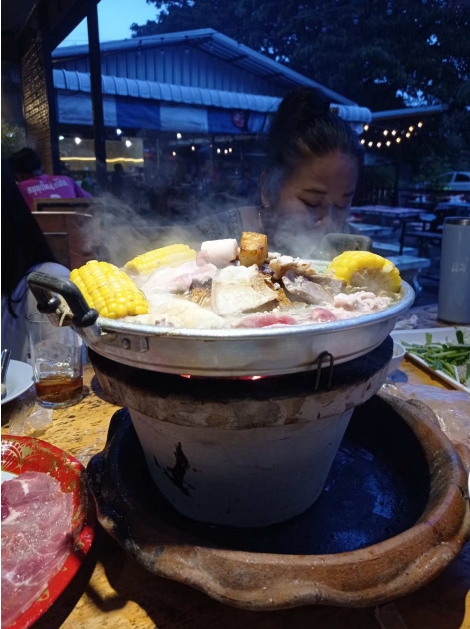
On weekends with the family, we usually go to the second house by the lake—we eat, sing, and dance—or we visit provinces near Yasothon. Other weekends I spend with my aunt—we love cooking traditional and international dishes, and around 5 PM we take a walk through the rice fields and enjoy the sunset.
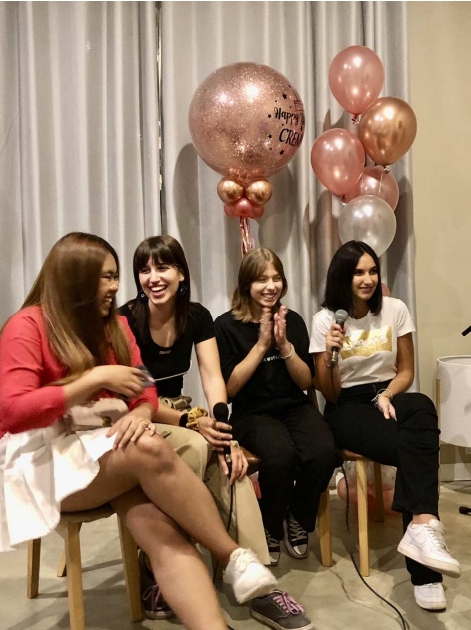
Sometimes I organize outings with other exchange students and Thai classmates I’ve met—we go for coffee, a meal, or to the shopping mall we have in the city. When my cousin and his girlfriend return, I spend the weekend with them cooking, talking, and going out together.
The things that particularly impressed me in this country (both positive and negative)
Thai people have a very relaxed lifestyle, which is noticeable even at school where we have a lot of free time. They don’t plan their day in advance, so decisions are often made last minute and not communicated beforehand.
They also tend not to show their emotions much, which can sometimes cause misunderstandings.
Thais are very cheerful and extremely kind—in fact, they welcomed me wonderfully, and I still find them willing to help with any problem.
3 words that describe my experience so far (explain why I chose it)
- Habits – Of course, upon arriving in a new country, in a new home, with new people, I had to build a whole new routine and adopt habits I never had in Italy.
- Communication – My close host family doesn’t speak English, except for a few words, so misunderstandings sometimes occur, or they assume things that are not obvious to me. Still, we always manage to resolve situations calmly.
- Perspective – I now see things from a new perspective: what would have been a big challenge for me in Italy has become part of my comfort zone here. Things that used to seem big and important now appear small and no longer catch my attention.