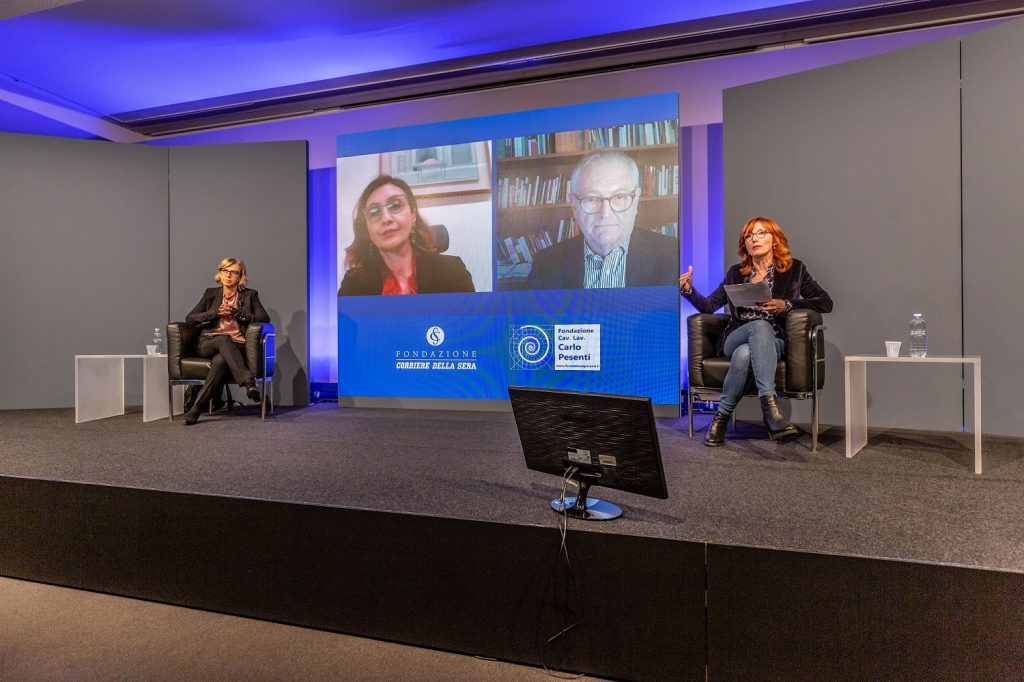
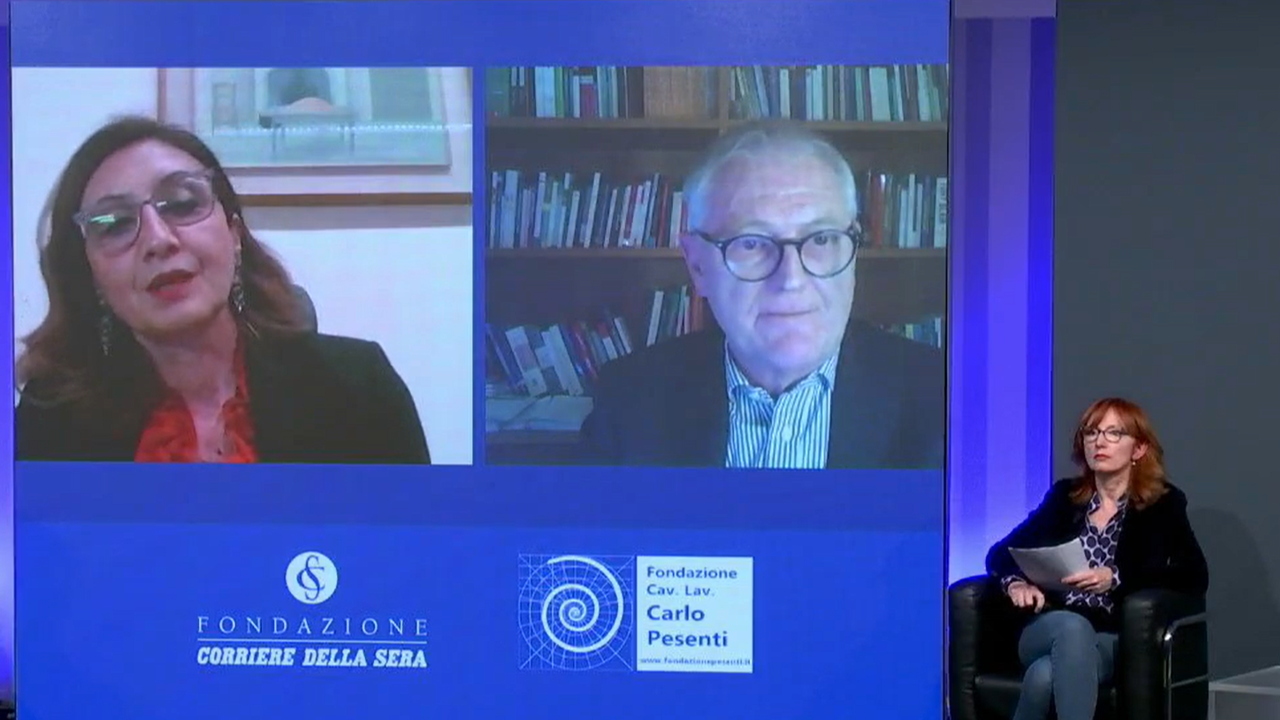
On Thursday, February 24, 2022, the event “What kind of crisis? Women and the pandemic” took place, promoted by Fondazione Corriere della Sera and Fondazione Pesenti, aiming to shed light on ongoing inequalities that cannot be ignored in a society that aspires to value women’s work and reflect on declining birth rates.
That women are bearing the greatest burden of the crisis triggered by the pandemic is not only a widespread opinion, but a fact confirmed by numerous analyses over the past months. Women, youth, and unemployed individuals have been identified as the population groups most affected—also in terms of psychological distress.
The Gender Commission of the Italian Economic Association—which has long been engaged in gathering, processing, and circulating data on gender balance—emphasizes how this dynamic is taking place in a country like Italy, already trapped in a long-standing equilibrium of low fertility and low female participation in the labor market.
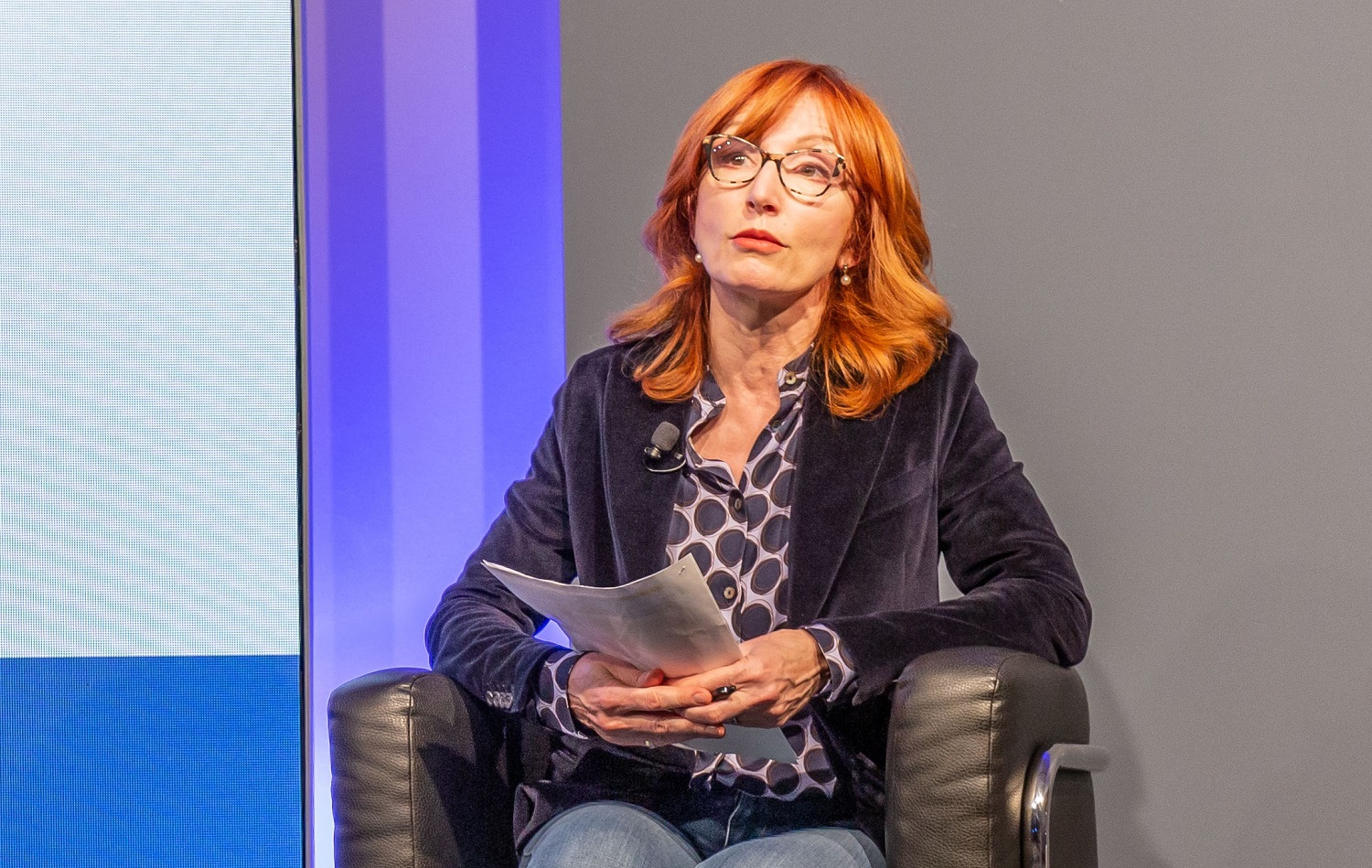
After opening remarks from Piergaetano Marchetti, President of Fondazione Corriere, who recalled the joint commitment with Fondazione Pesenti in tackling major current issues, the debate was introduced by Rita Querzè from Corriere della Sera: “The crisis has worsened the situation, but Italy was already last in terms of gender equality in the labor market,” she noted. “There is also a 17% gender pay gap in Italy, due partly to differing career paths, but largely to outright discrimination.”
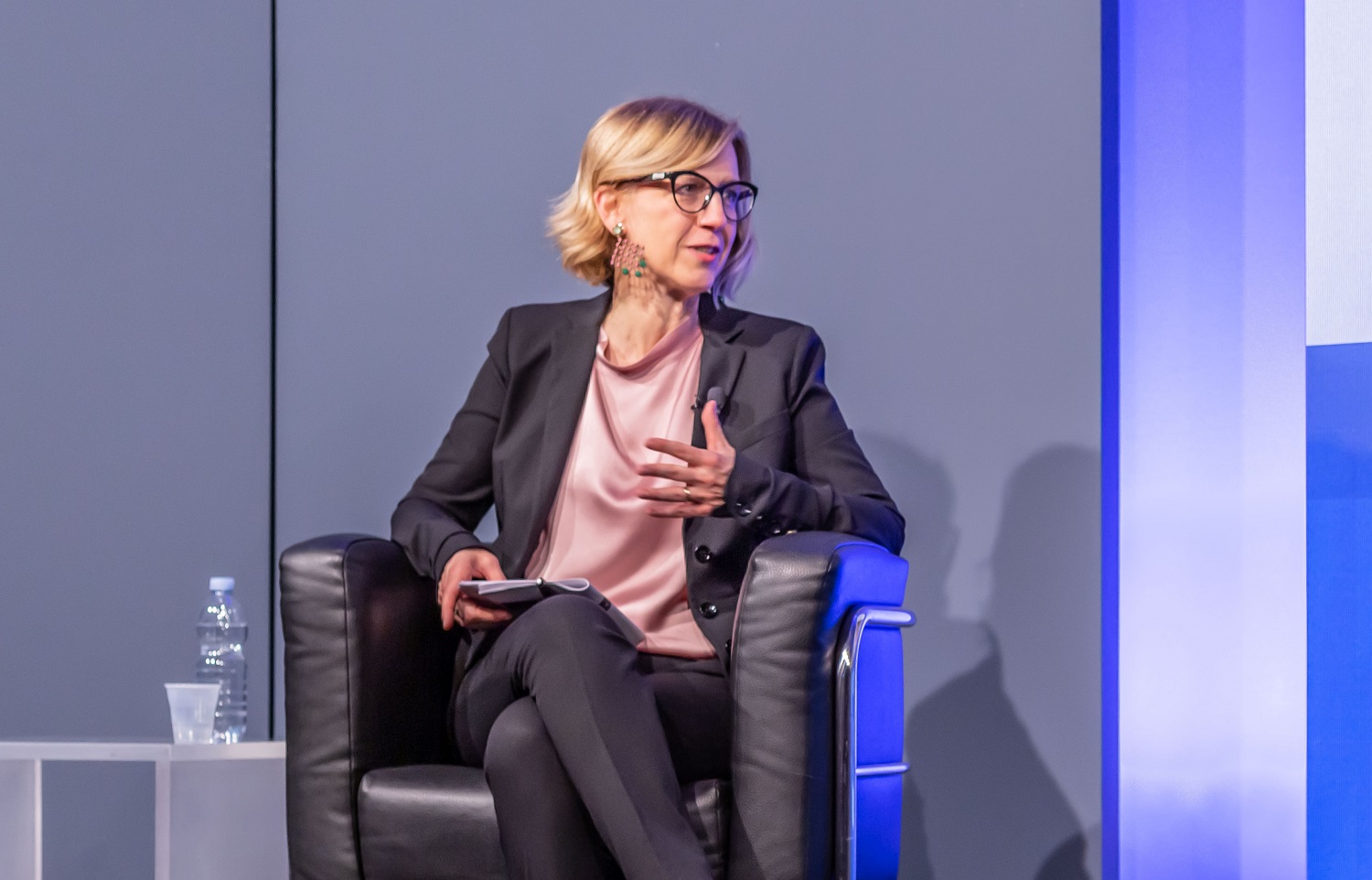
Alessandra Casarico, Professor of Public Finance at Bocconi University, added:
“Italy also starts from a cultural background that is unfavorable to women’s employment. One in two women in our country does not work. Female employment data worsened significantly as a result of the pandemic—more so than during previous recessions, such as in 2008 or 2011–2013.”
She emphasized the need for education and awareness:
“Culture plays a fundamental role. Combating stereotypes from the early school years and promoting equal opportunities for all can make a real difference.”
She concluded:
“On the policy front, it’s crucial to allocate more resources to caregiving services.”
Maria De Paola, Professor of Political Economy at the University of Calabria, highlighted: “The birth rate data is concerning, and the pandemic continues a trend that was already evident in recent years. It’s essential to implement policies that support shared responsibilities. Parental leave is key. Currently, data show that mothers take 80% of optional parental leave, while fathers account for only 20%—up from just 5% in 2005. Though that’s an improvement, progress is too slow.”
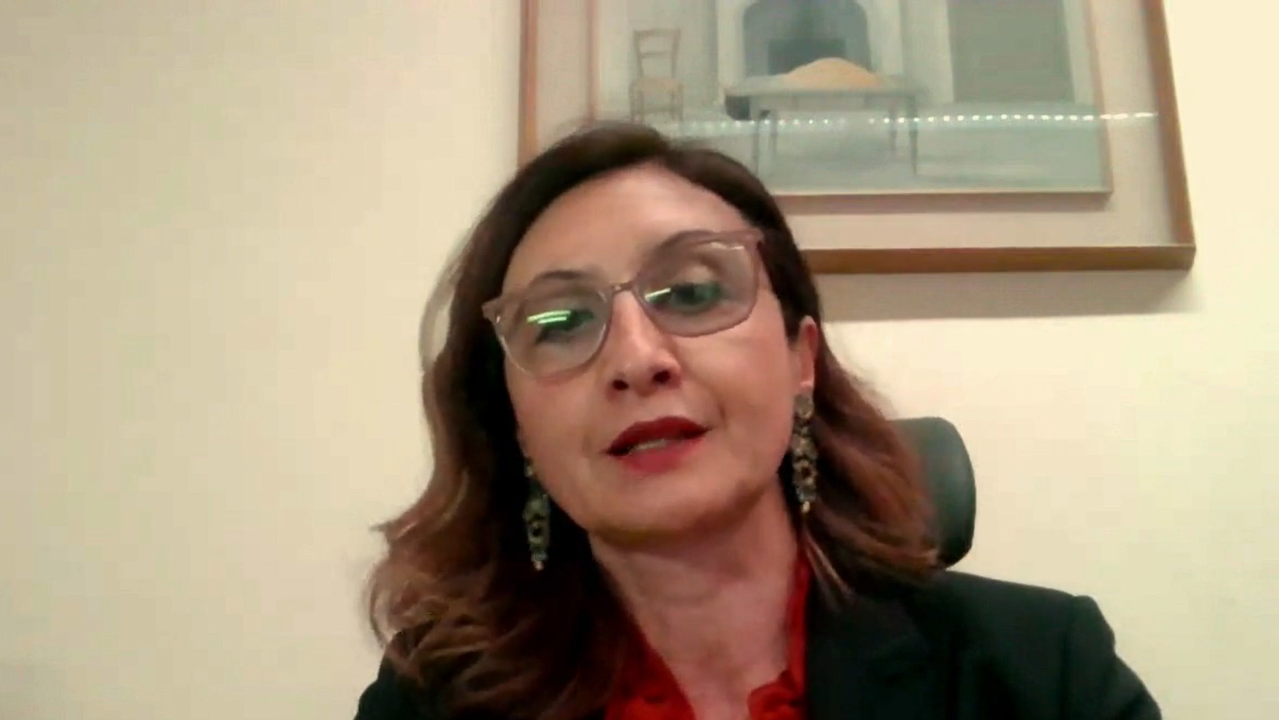
“The labor market,” Rita Querzè added, “also functions with an implicit bias—as if it automatically assumes caregiving responsibilities fall on women.”
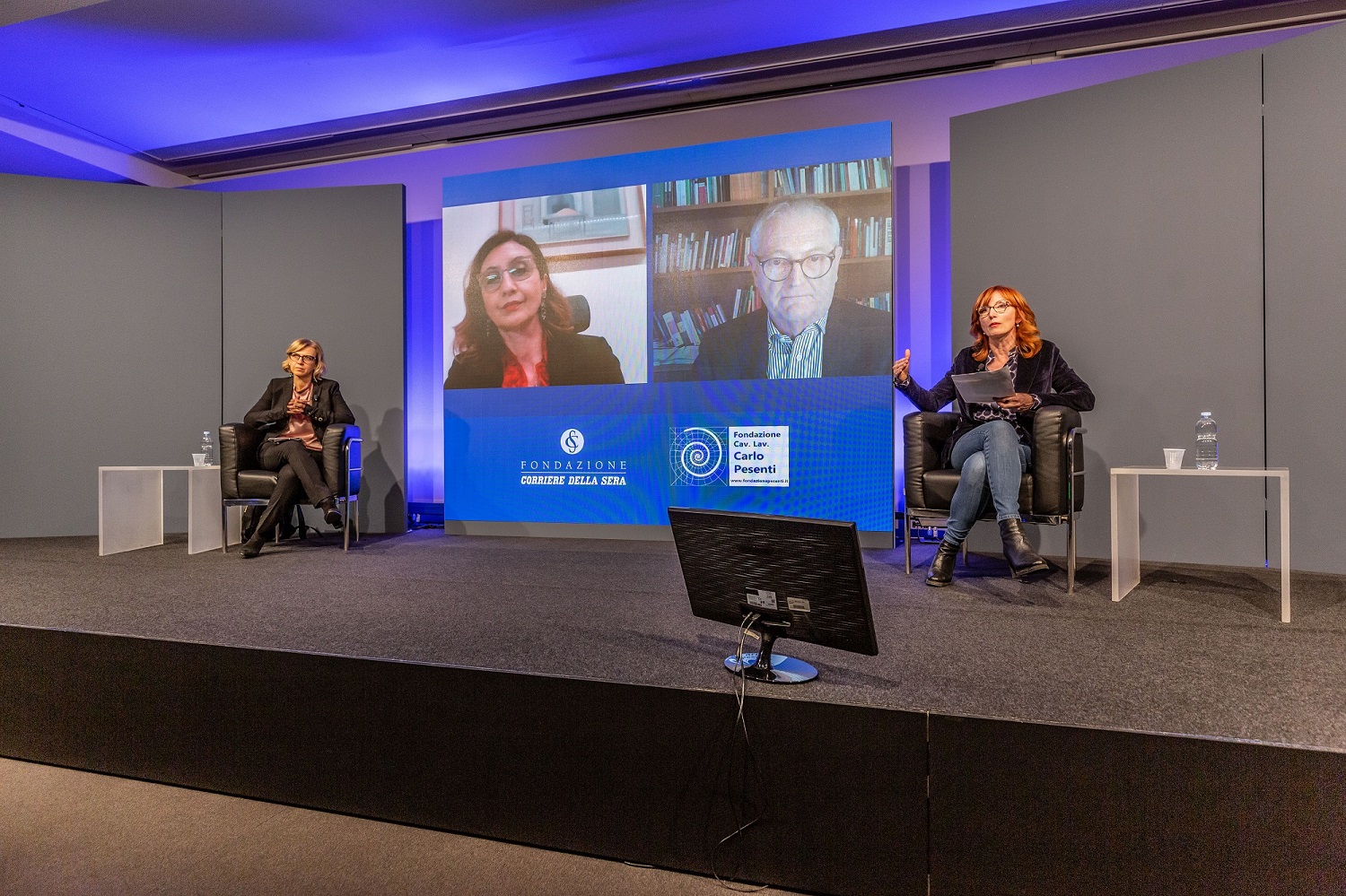
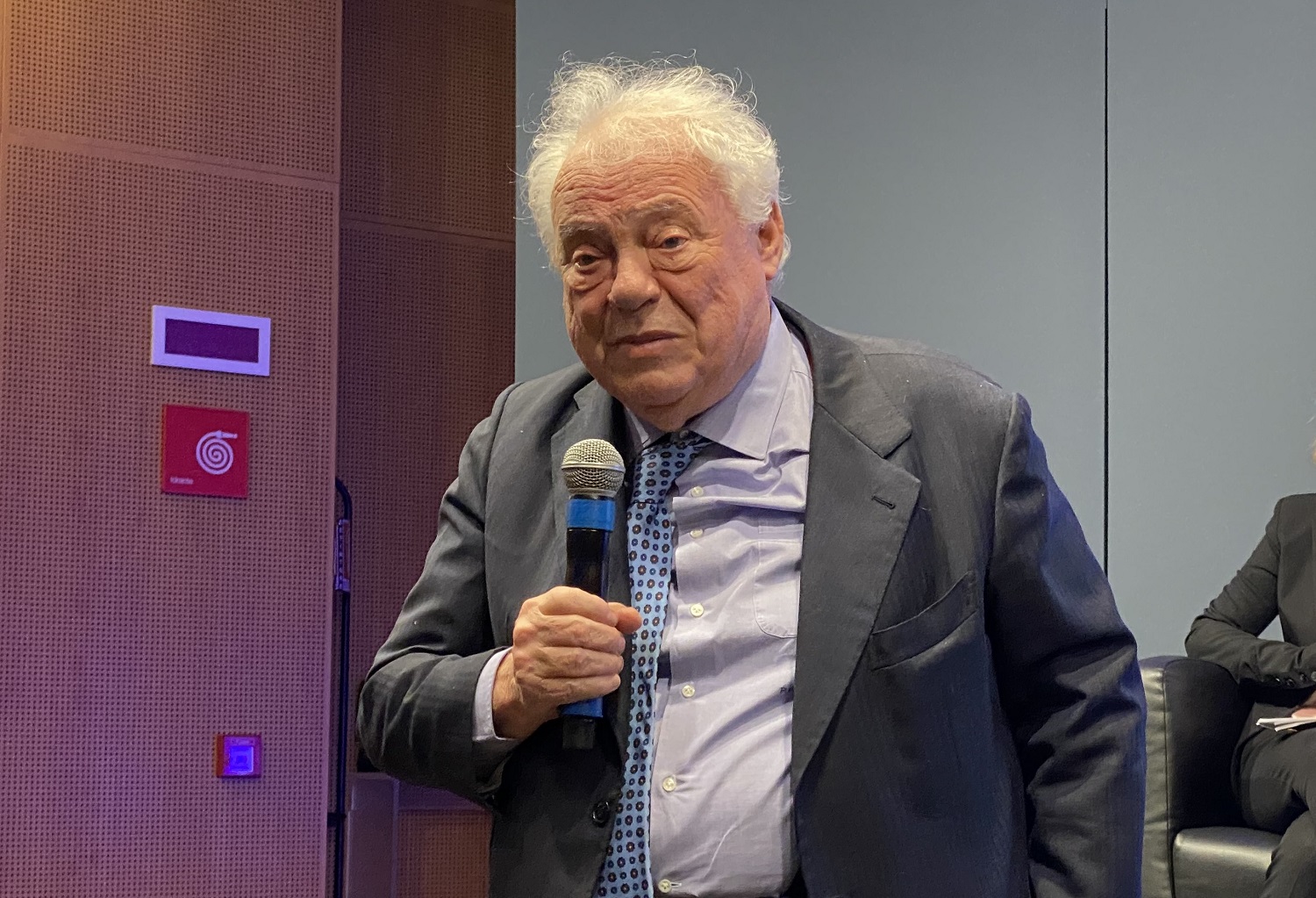
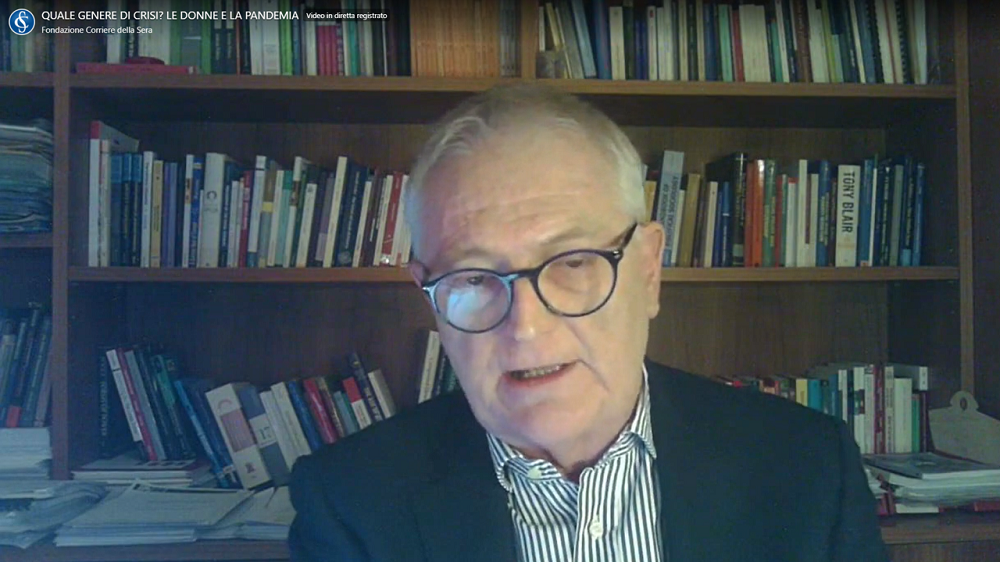
Maurizio Ferrera, Professor of Political Science at the University of Milan, noted:
“Today, Italy’s female employment rate stands at 50%, while France—a comparable country in many respects—reaches 69%. Within this framework, the Italian National Recovery and Resilience Plan (PNRR) sets a rather unambitious goal of increasing female employment by only 4%.”
He stressed the need for a broader, binding strategy: “A single measure won’t be enough to address such a complex situation. Without clear commitments and deadlines, we risk delaying or failing to resolve these inequalities.” He concluded: “Symbolic gestures are important too—in Nordic countries, even ministers take extended paternity leave.”
VIDEO
INSIGHTS
www.fondazionecorriere.corriere.it | facebook.com/FondazioneCorriere
corriere.it | facebook.com/corrieredellasera
Press Review: Corriere della sera 22-02-2022 | Corriere della sera 23 02 2022