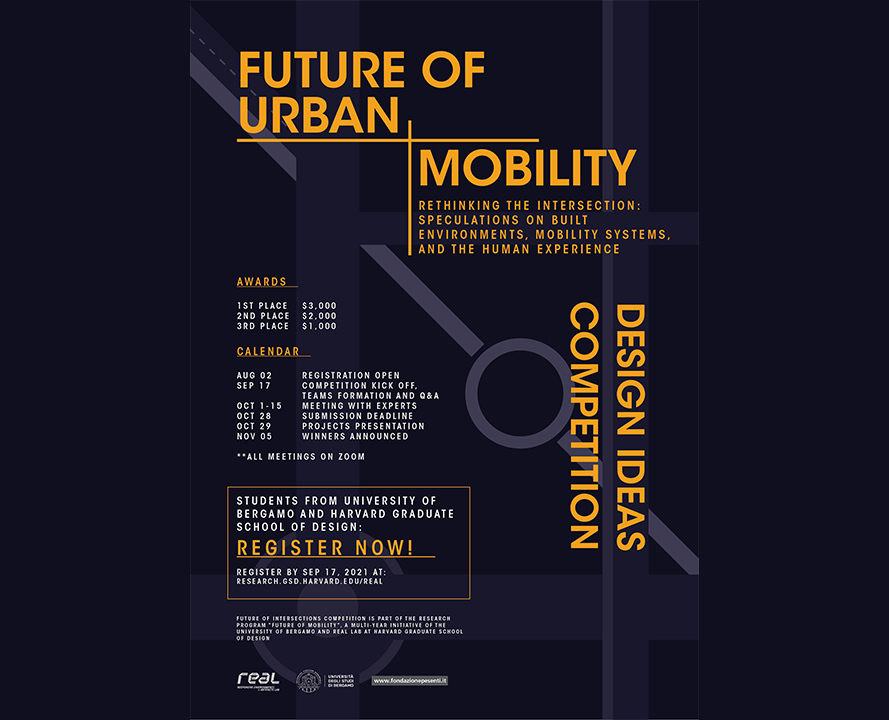
The University of Bergamo, Harvard Graduate School of Design, and Fondazione Pesenti are once again joining forces to rethink the future of mobility.
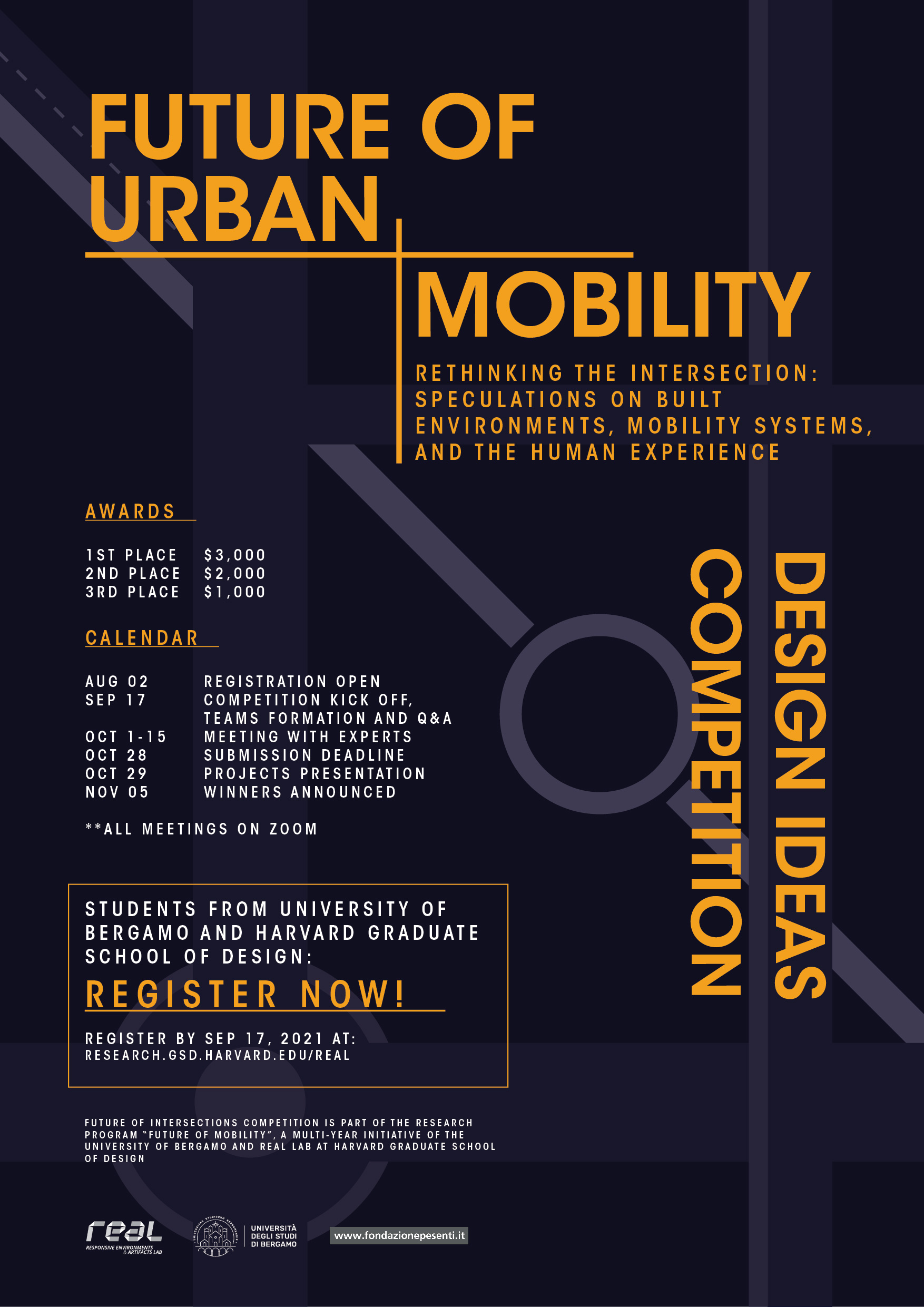
The new initiative, open to students from the University of Bergamo and Harvard GSD, is set to launch on September 17 and aims to redesign how we conceptualize urban intersections and roundabouts. The project – promoted by Fondazione Pesenti – continues the multi-year collaboration between the three institutions as part of “Bergamo 2.035”.
September 15, 2021 – Only a few days remain to take part in the contest involving selected student groups from the University of Bergamo and the Harvard Graduate School of Design.
Participants will have until October 28 to submit their respective projects and compete for the prizes awarded to the most significant proposals:
- First prize: $3,000.00
- Second prize: $2,000.00
- Third prize: $1,000.00
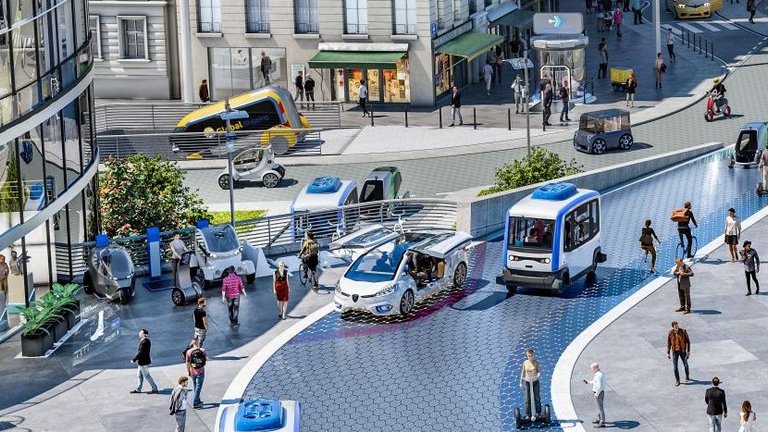
The subject participants must address is one of the most critical elements of mobility: the need to rethink intersections and roundabouts, which are key points of connection within urban space.
Numerous social and environmental issues can arise from inadequate approaches to this challenge, such as land consumption, high levels of pollution, declining neighborhoods, traffic congestion, inefficiencies, and unsustainable growth.
And yet, despite the massive increase in traffic flow and the development of transport systems – with a resulting rise in the number of intersections – we have not witnessed a corresponding improvement in the integration of these spaces with the urban environment, one that takes into account the many elements at play: the characteristics of built environments, individual and collective experiences, and physical and digital interfaces.
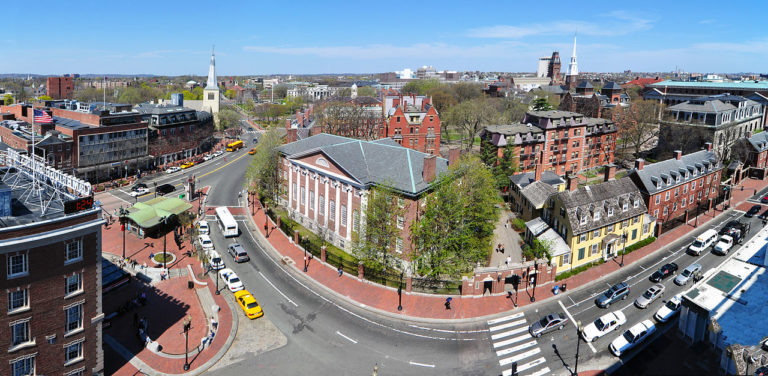
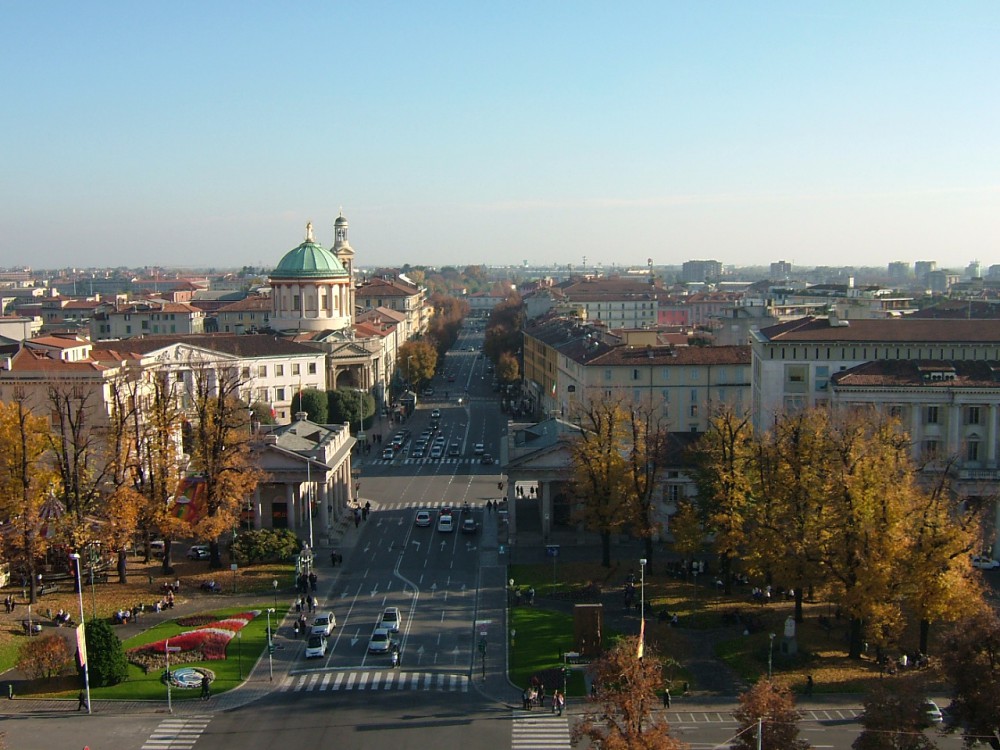
A multidisciplinary and human-centered approach is essential – one that is reflected in the composition of the student teams involved, which include expertise in architecture, technology, urban planning, and engineering, alongside social sciences, humanities, economics, and more.
Students, with the support of experts from various fields, are therefore tasked with redesigning the “intersections of the future,” responding to a range of questions and challenges, including:
What does it mean to design a space defined by dynamic and flexible boundaries rather than static elements?
What are the opportunities of a sustainable approach as a tool for place-making?
What strategies can enhance safety for the different types of users sharing the same spaces, such as drivers, pedestrians, and cyclists?
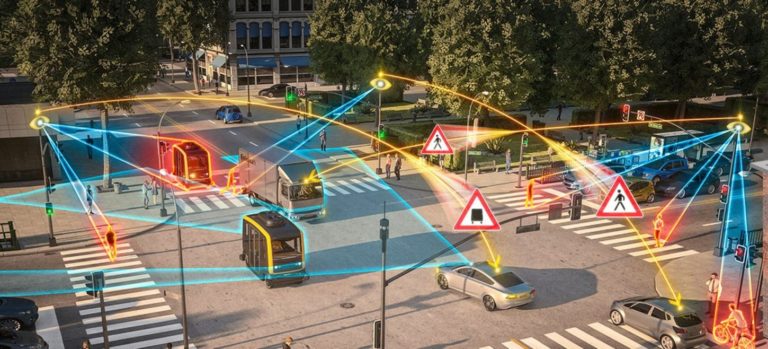
How can new technologies – such as the Internet of Things, surveillance, and tracking systems – be integrated to innovate intersections, while respecting user privacy?
The winning teams of the prizes offered by Fondazione Pesenti will be announced on November 5, following evaluations by a panel of experts who will consider various factors such as functionality, originality, sustainability, and innovation.
This initiative is in line with the mission of Bergamo 2.035: to design a new model of Smart City to be tested in the Bergamo area, where the citizens of the future are placed at the center of the planning process for new urban spaces and solutions.
INSIGHTS