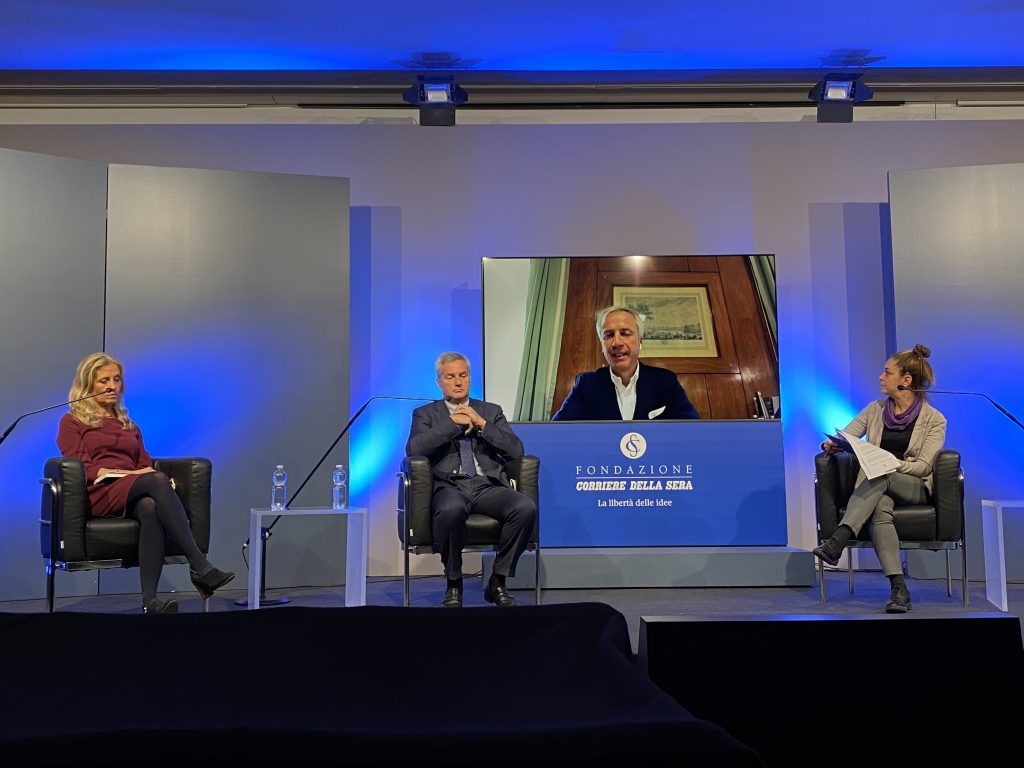
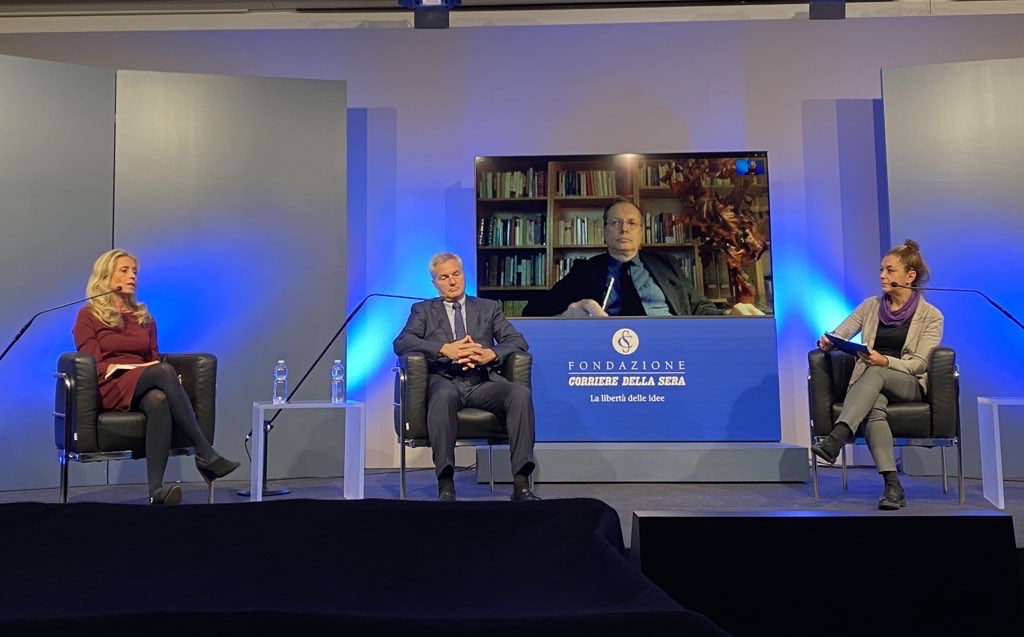
“How smart is remote work?” was the question at the event held on October 22 by Fondazione Pesenti and Fondazione Corriere della Sera, featuring:
Piergaetano Marchetti President of Fondazione Corriere della Sera | Carlo Pesenti President of Fondazione Pesenti | Maurizio Ferraris, Professor of Theoretical Philosophy, University of Turin | Aldo Mazzocco, CEO and General Manager, Generali Real Estate | Paola Profeta, Professor of Public Finance, Bocconi University,
moderated by Valeria Palumbo, Editor-in-Chief of Oggi.
“How smart is remote work?” was also the title of the discussion, broadcast online via Corriere.it platforms to ensure maximum visibility while fully respecting existing safety protocols.
The discussion focused on the potential and limits of smart working, massively but often hastily adopted during these months due to the pandemic, while also considering measures to avoid negative impacts.
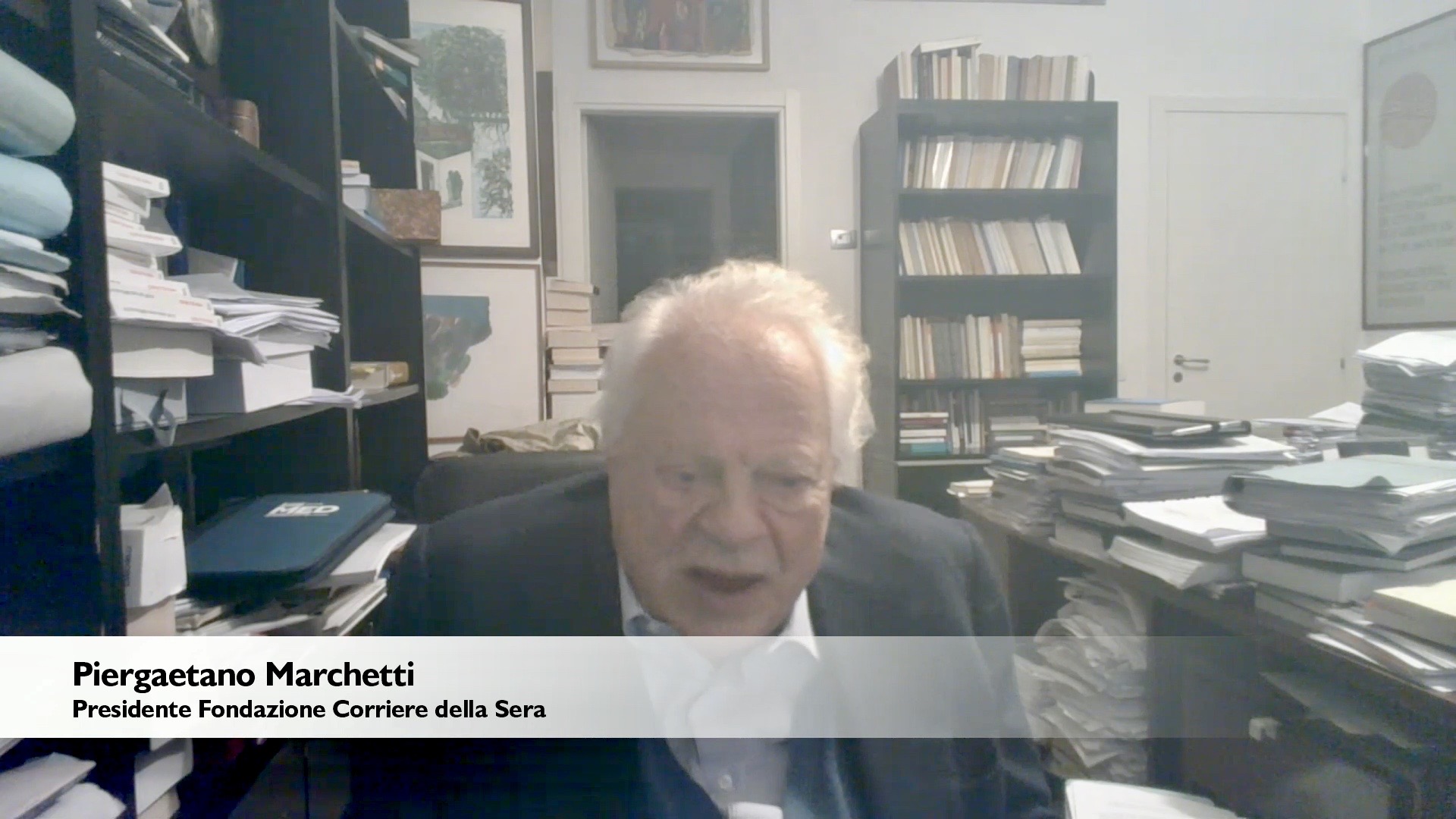
“After the emergency, will smart working open a new way of living and working or will it remain just a temporary phase? Talking about the present and reflecting on the future has always been the common thread of the events organized by Fondazione Pesenti and Fondazione Corriere,” opened Piergaetano Marchetti, President of Fondazione Corriere, introducing the key themes of the debate and recalling the now well-established collaboration between the two foundations.
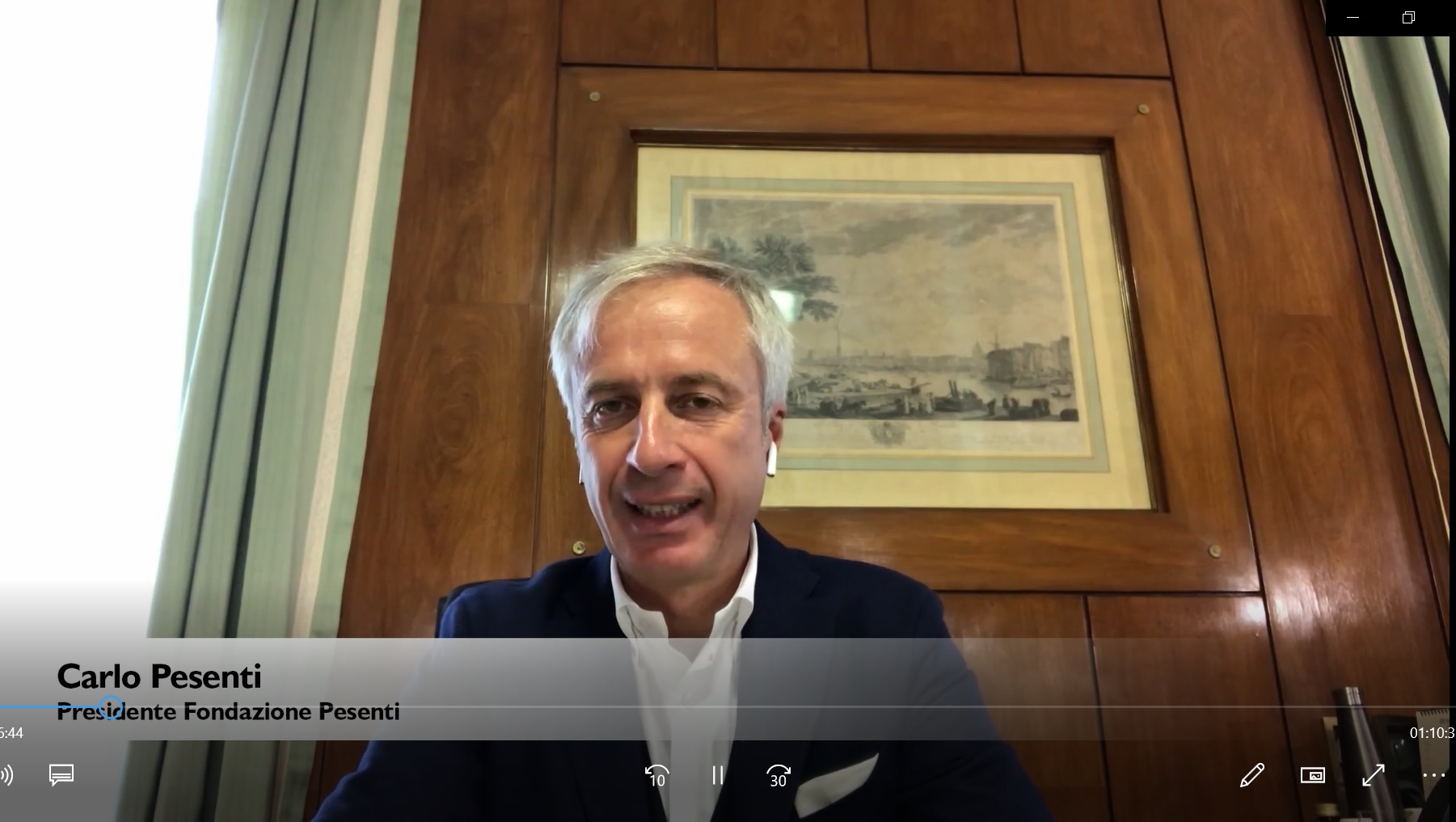
“This pandemic represents a discontinuity and an acceleration of already ongoing phenomena, such as technological acceleration,” emphasized Carlo Pesenti, President of Fondazione Pesenti. “The effects of smart working on our work methods, but also on our lives and social fabric, can only be measured in the medium and long term. For this reason, we invited today personalities from different sectors to deepen this very central topic.”
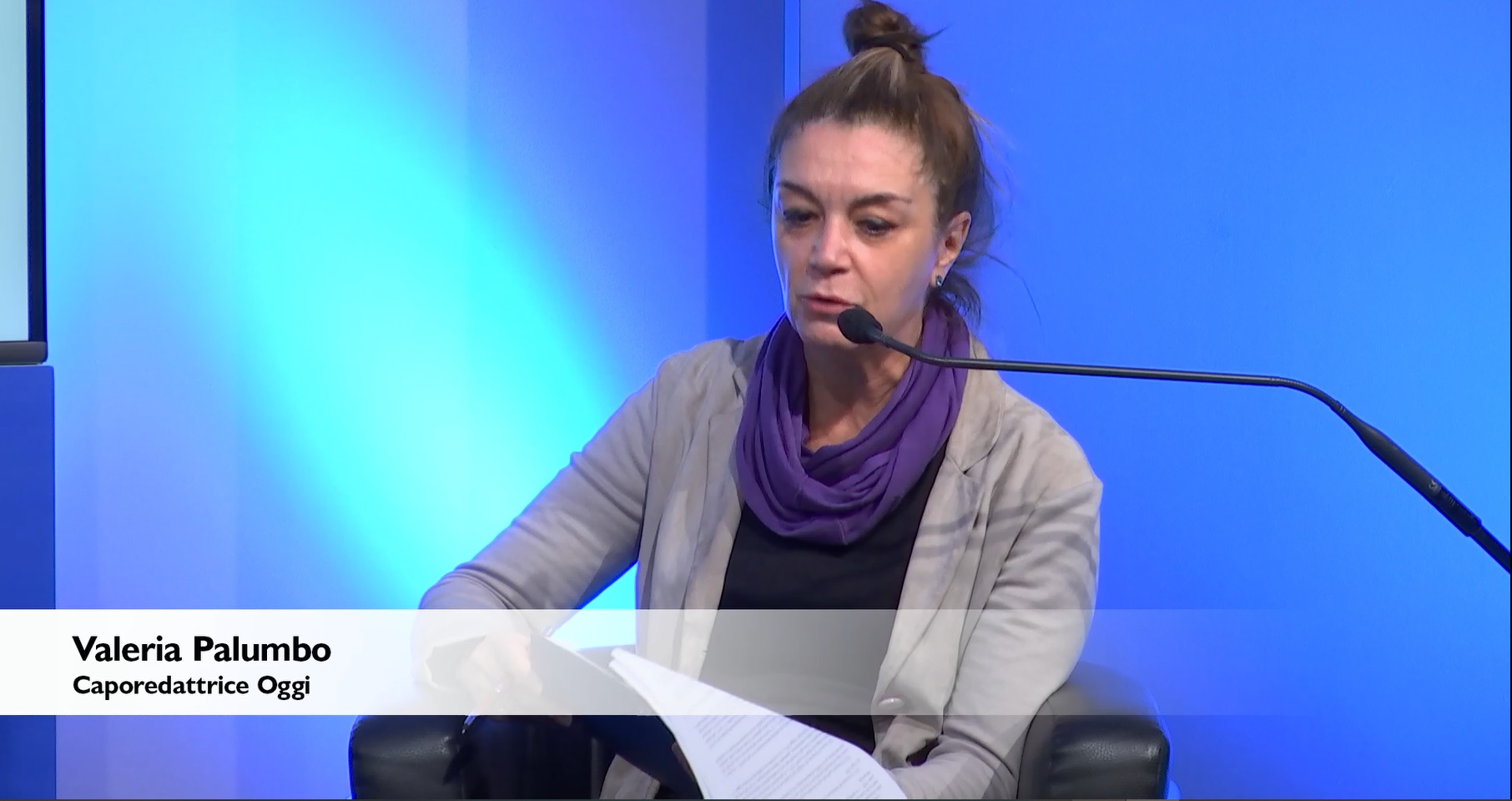
“Can this be called smart working, or is it emergency teleworking? What has really been done in these months?” questioned Valeria Palumbo, Editor-in-Chief of Oggi and moderator, recalling what new regulations state about smart working and warning about possible risks. “Agile work is one of the ordinary ways to perform work in the public administration, where the ‘agile’ worker alternates days onsite and remotely, without precise restrictions on working hours or workplace. This results in challenges regarding labor union and workers’ rights.”
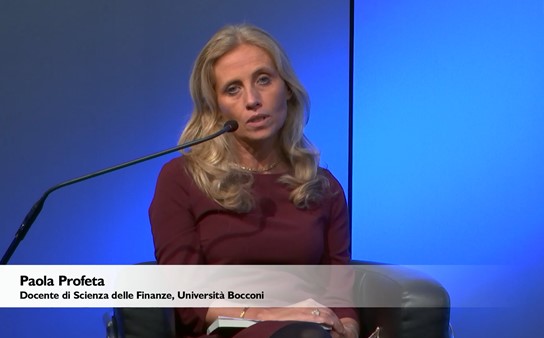
“Before the pandemic, when smart working was limited to one day a week, we recorded a positive impact on increased productivity, meeting deadlines, and job satisfaction, together with a good balance with social and family life, and a consequent reduction of stress,” explained Paola Profeta, Professor of Public Finance at Bocconi University. “Emergency smart working, however, showed many negative aspects. In the short term, women workers suffered particularly due to the difficulty of simultaneously managing work, domestic, and family responsibilities, which has exacerbated gender disparities.”
“In the future, with non-emergency smart working, there could be a paradigm shift placing the focus on results and goals rather than time spent at the workplace. This will depend greatly on the context and how measurable the results are in each sector.”
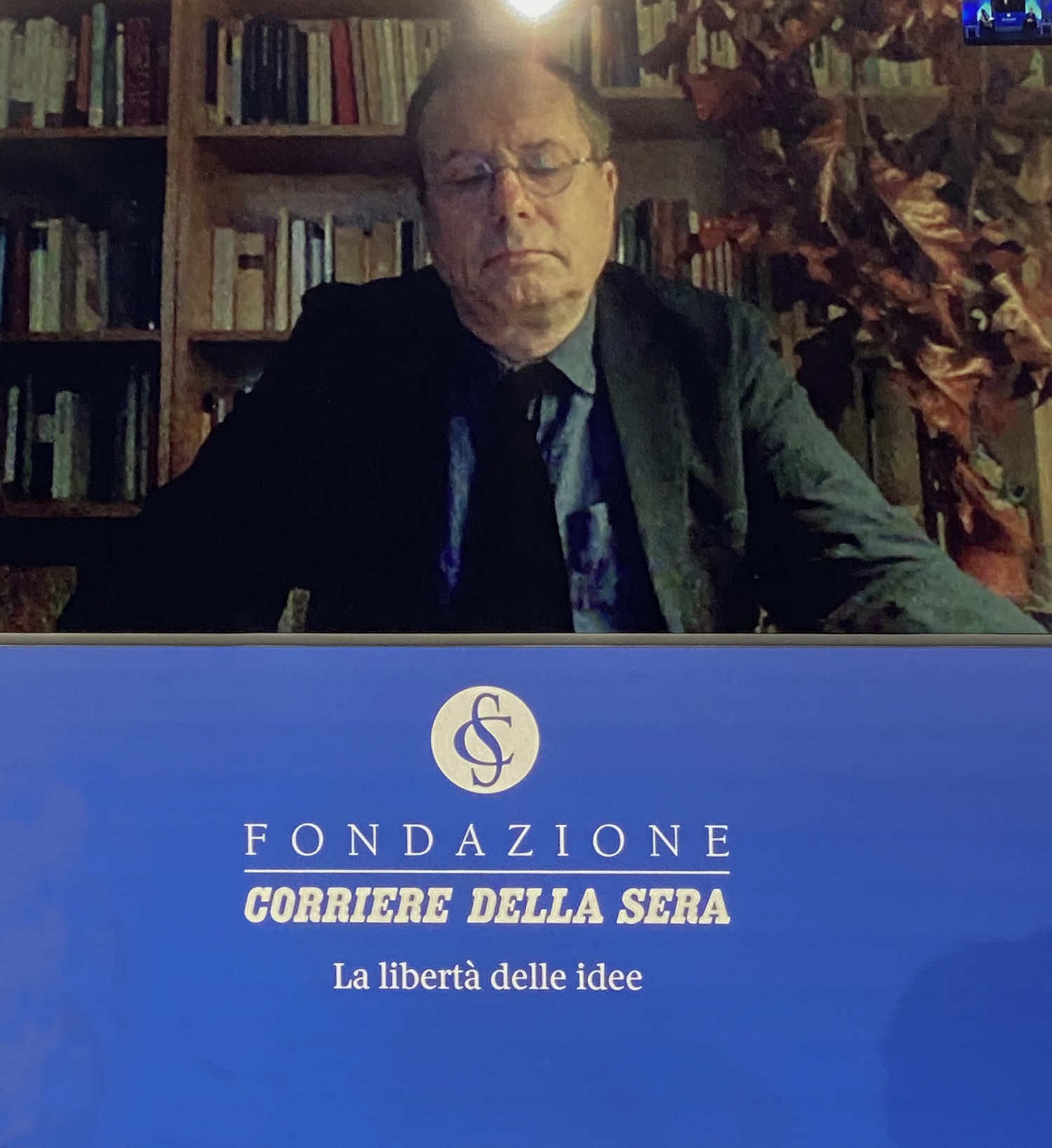
Another issue that deserves attention and emerged during emergency smart working is social isolation: “An extraordinary personality can create extraordinary things even when locked in their room, but a normal personality without social interaction impoverishes their mind,” stressed Maurizio Ferraris, Professor of Theoretical Philosophy at the University of Turin. “Works of intelligence are the product of sociality, while works of spirit can be born from solitude.”
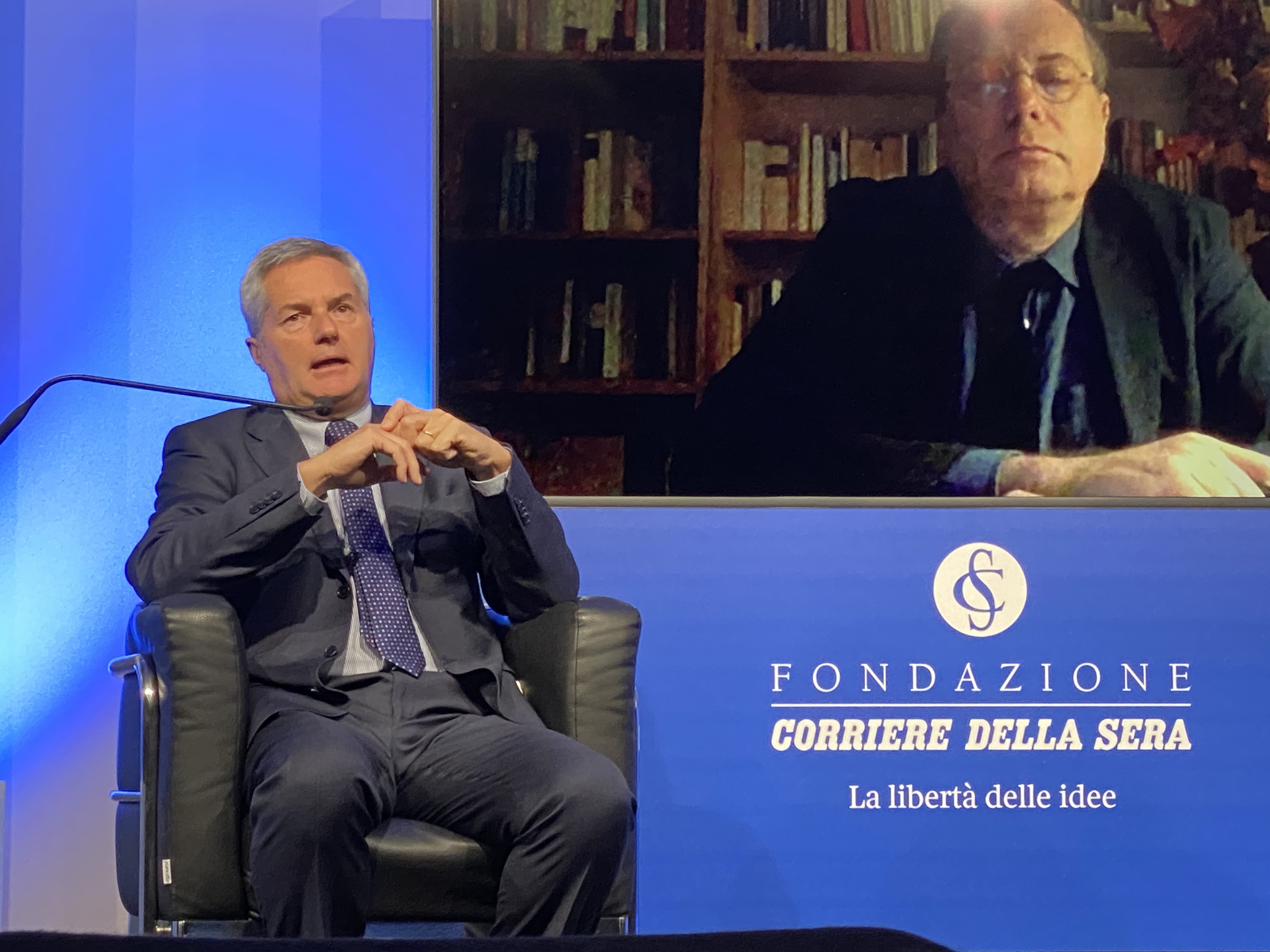
“It is important to have a balanced and livable city, considering security and cleanliness issues,” intervened Eng. Mazzocco CEO of Generali Real Estate. “It is necessary to create the right mix of working in the office, at home, and in various city spaces. Securing neighborhoods, especially the outskirts, and rethinking infrastructures to be necessarily flexible are important topics for reimagining future cities.”
“Smart working can also lead to a change in the local economy. Flexible places but also flexible times—these changes can stimulate the territory if they are ‘Smart’: that is, balanced and flexible in work organization,” Paola Profeta specified in closing.
“A serious problem is that young people are being cut out of the learning process and visibility in the new working realities,” highlighted Eng. Aldo Mazzocco.
When asked by Valeria Palumbo at the end, “How is a positive change in the city possible?” Professor Maurizio Ferraris concluded, “Conditions must be created so citizens themselves become smart. The key point is therefore education.”
The conferences represent one of the main “public” moments of Fondazione Pesenti, which have featured the participation of the most authoritative representatives from academia, institutions, media, and civil society (from Nobel laureates in economics Stiglitz and Spence, to former governor of the Indian Central Bank Raghuram Rajan, to figures from civil society). Since 2018, Fondazione Pesenti has established a prestigious partnership with Fondazione Corriere aimed at promoting current issues more effectively to an increasingly broad audience (not only geographically).
VIDEO
www.fondazionecorriere.corriere.it
Rassegna
Corriere sezione Economia