Technology at the service of a responsible community
Bergamo, September 30, 2014 – An intelligent city where technologies and innovative solutions develop together and serve new social models of responsibility and inclusiveness. A city where citizens, the “smarter citizens,” become active agents of change for the improvement of the urban context of which they are a part.
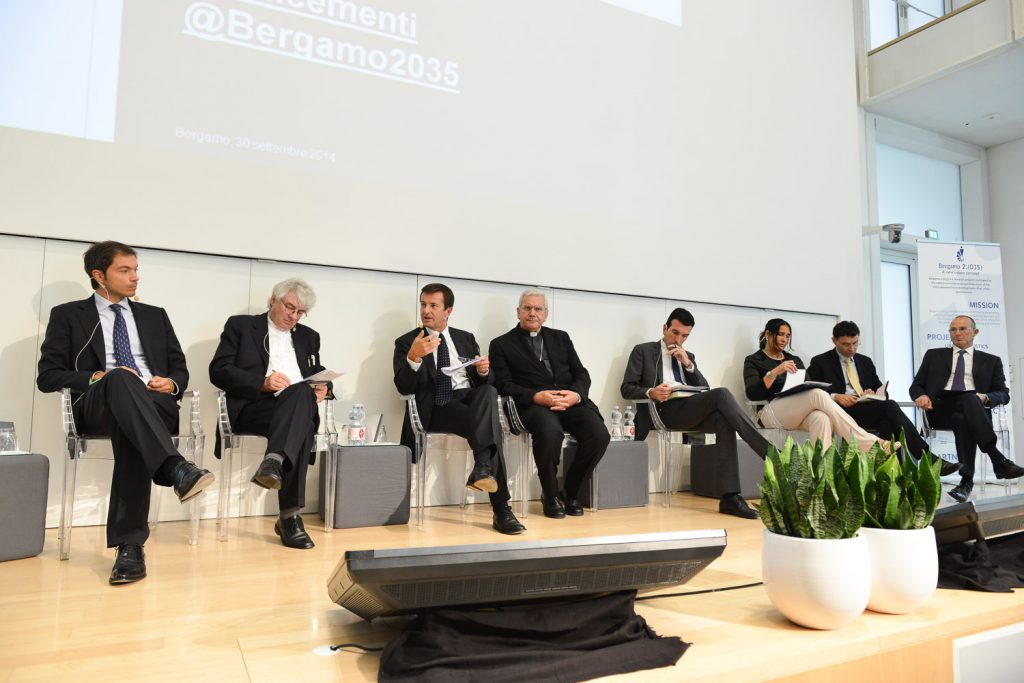
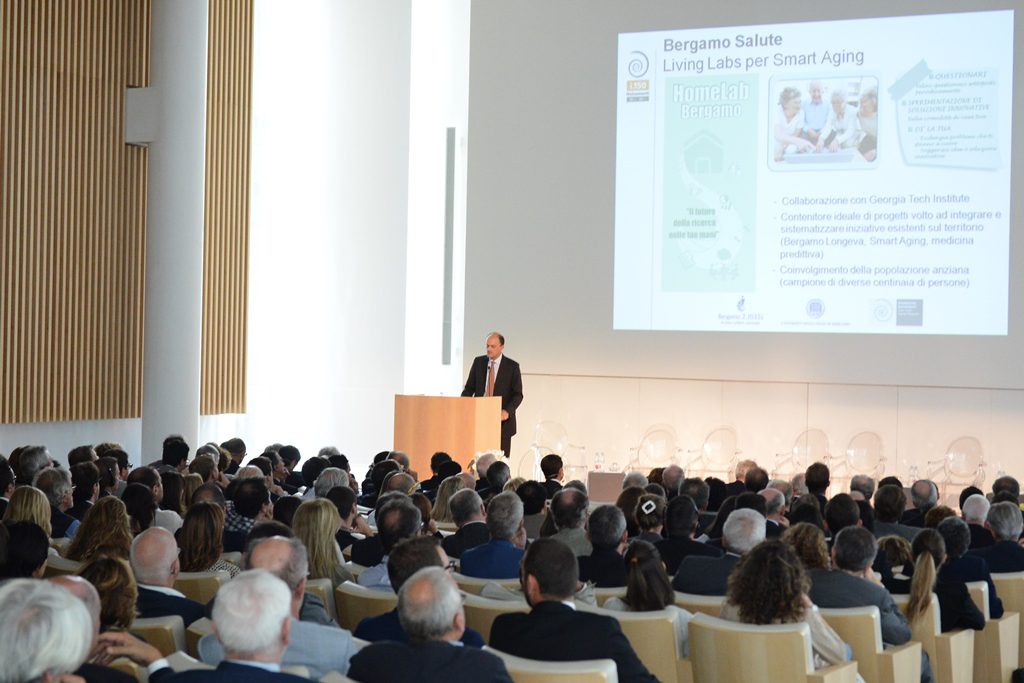
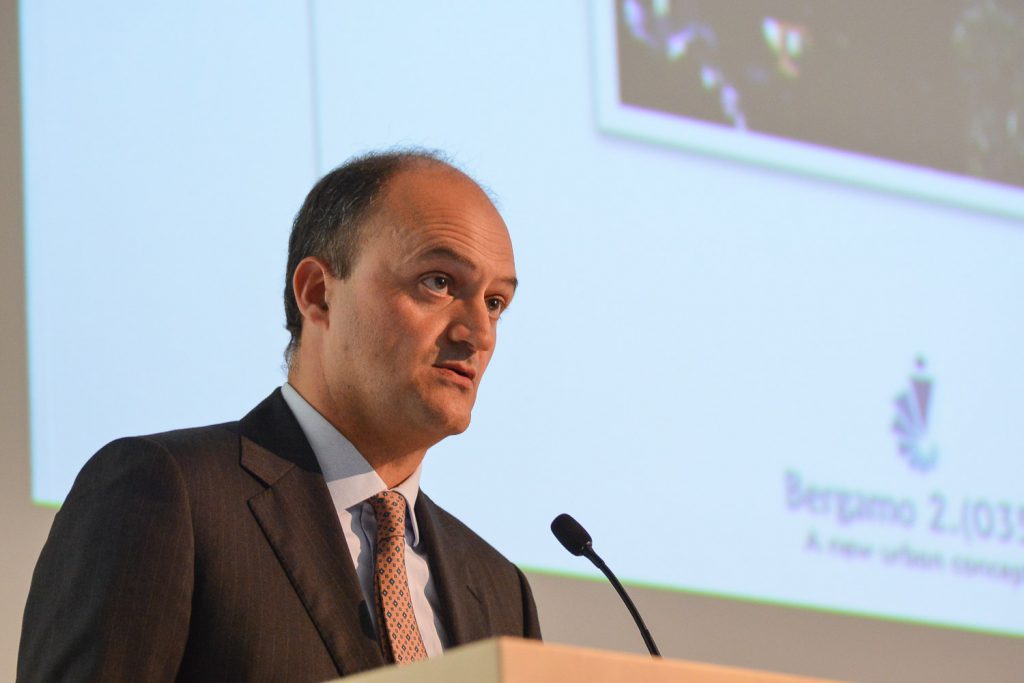
This is the Bergamo of tomorrow, as it emerges from the study “Bergamo 2.035: an idea of a city in a changing world” presented today at i.lab by Fondazione Cav. Lav. Carlo Pesenti and the University of Bergamo.
The Bergamo 2.035 program
The Bergamo 2.035 program, launched in January 2013 in collaboration with the Graduate School of Design at Harvard, was created to build a complex, long-term vision for the development of cities and territories, with particular attention to the future of the city of Bergamo, which — for this project — was ambitiously proposed as an “international case study” to develop strategies, models, and solutions aimed at creating a “prototype of an intelligent reality” that could become a reference for other urban contexts.
This research program involved the main actors of the economic, social, and institutional world of the city of Bergamo and its territory, each contributing their own vision, sensitivity, and interests, but united by the common goal of promoting sustainable economic development through the active participation of all involved parties. It is an idea of the city of the future, from infrastructure to the economic fabric, from mobility to social well-being, designed to be applied to the Bergamo reality to lay the foundation for its future and serve as an example for other cities and territories.
The Research Project
 A research project lasting about two years, which today the Fondazione, together with the University of Bergamo, has wanted to offer the city as a stimulus for reflection on its own future. The Fondazione — always attentive to supporting initiatives linked to “doing business” aimed at creating value, where quality and innovation reaffirm the country’s competitiveness — has promoted a project that successfully involved local stakeholders and made Bergamo the protagonist of a study with international scope.
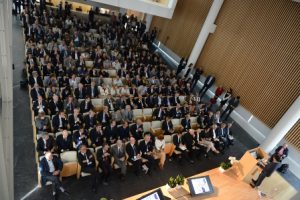
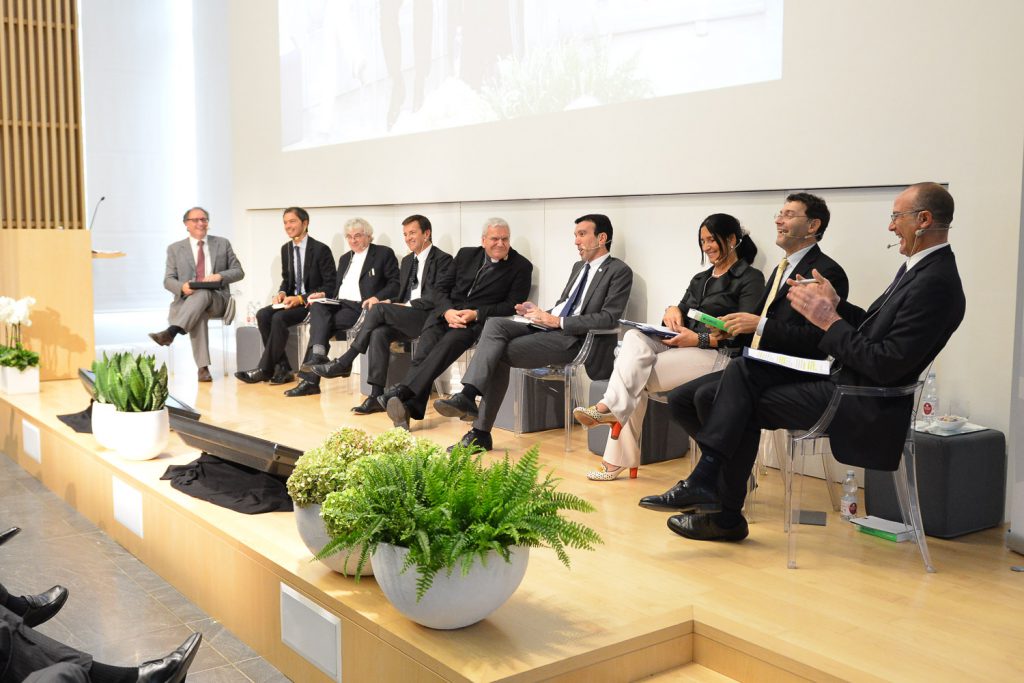
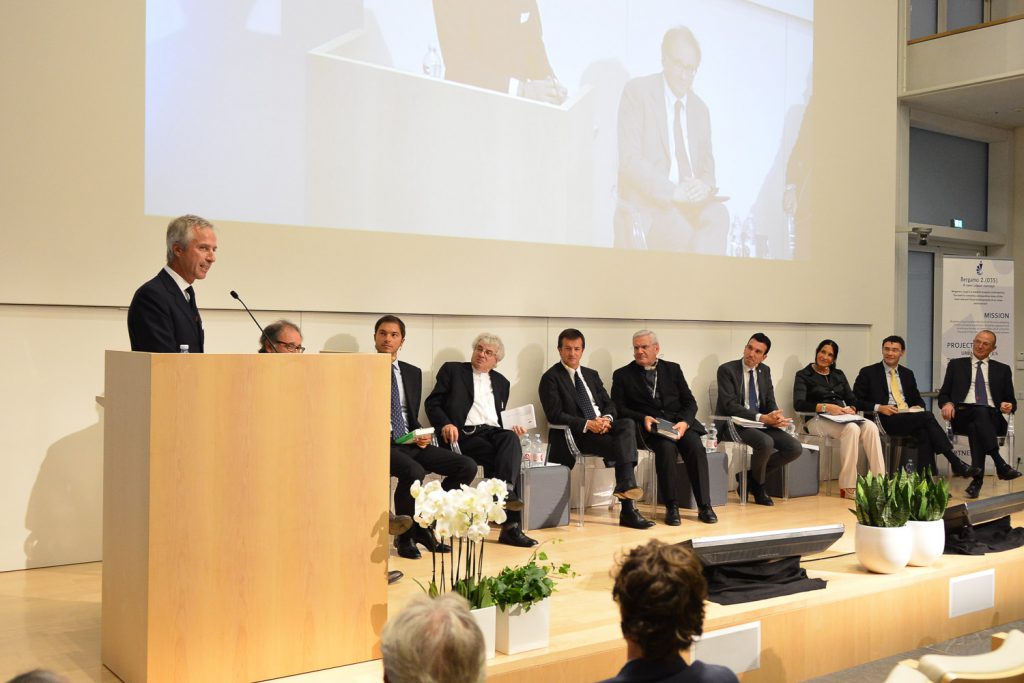
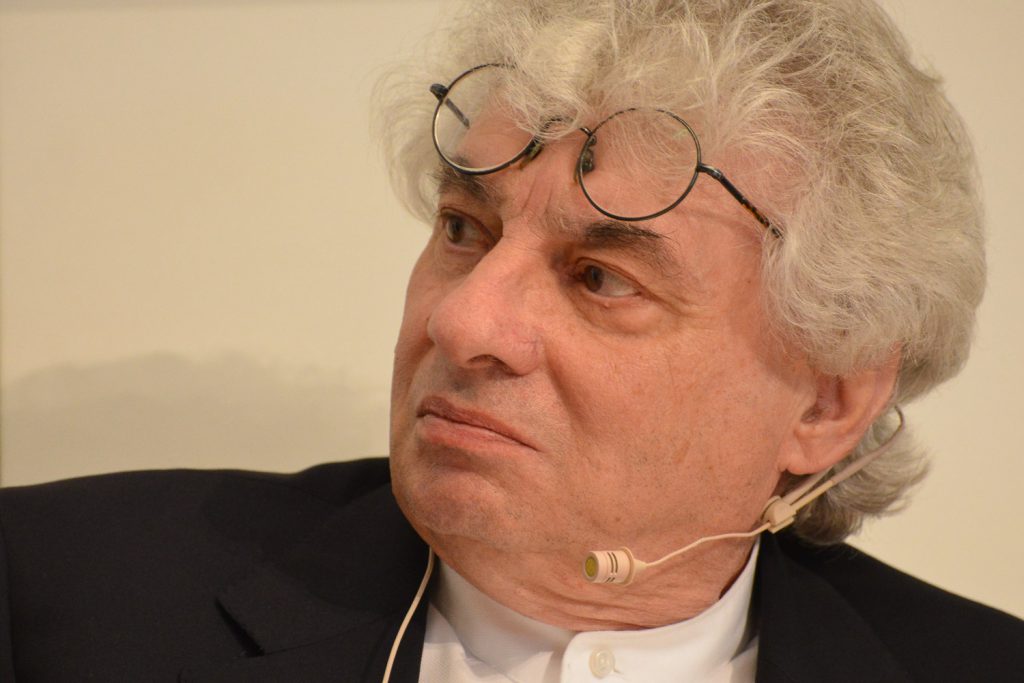
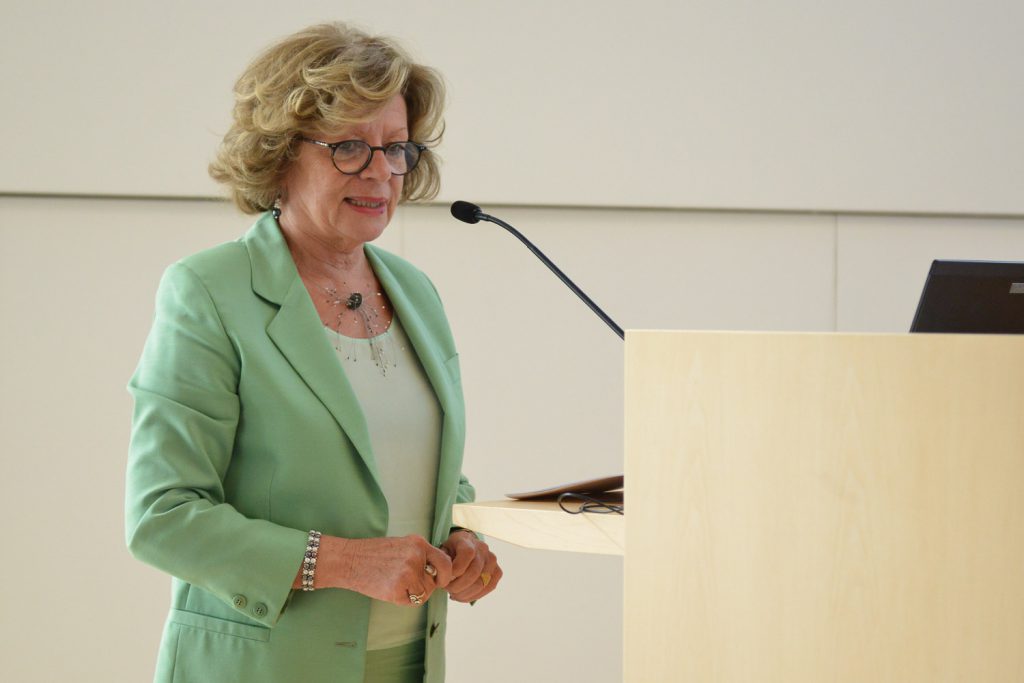
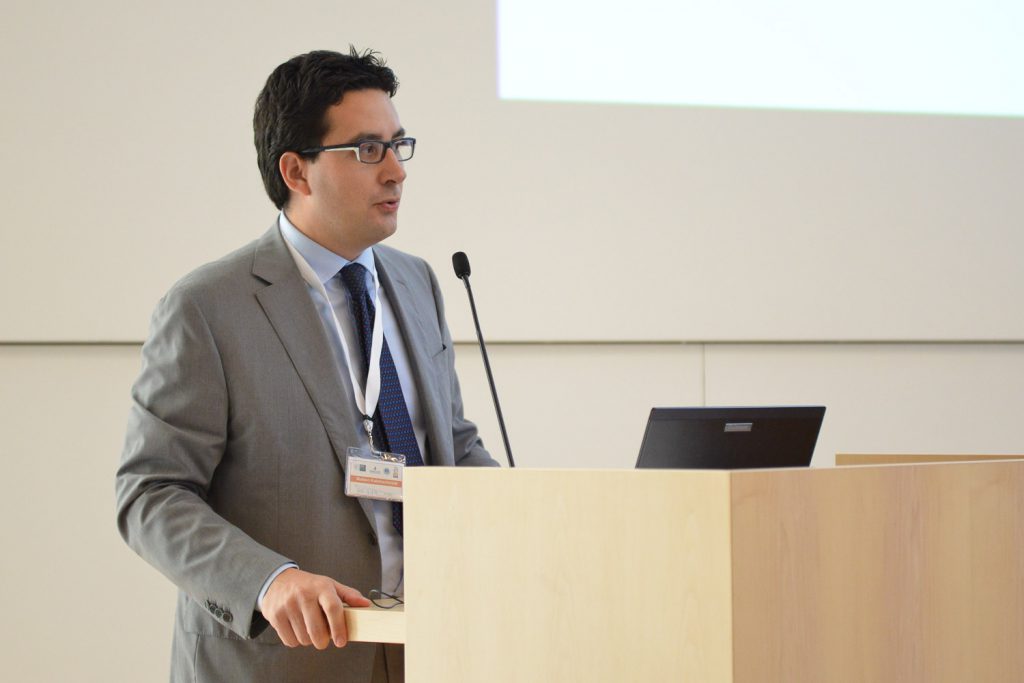
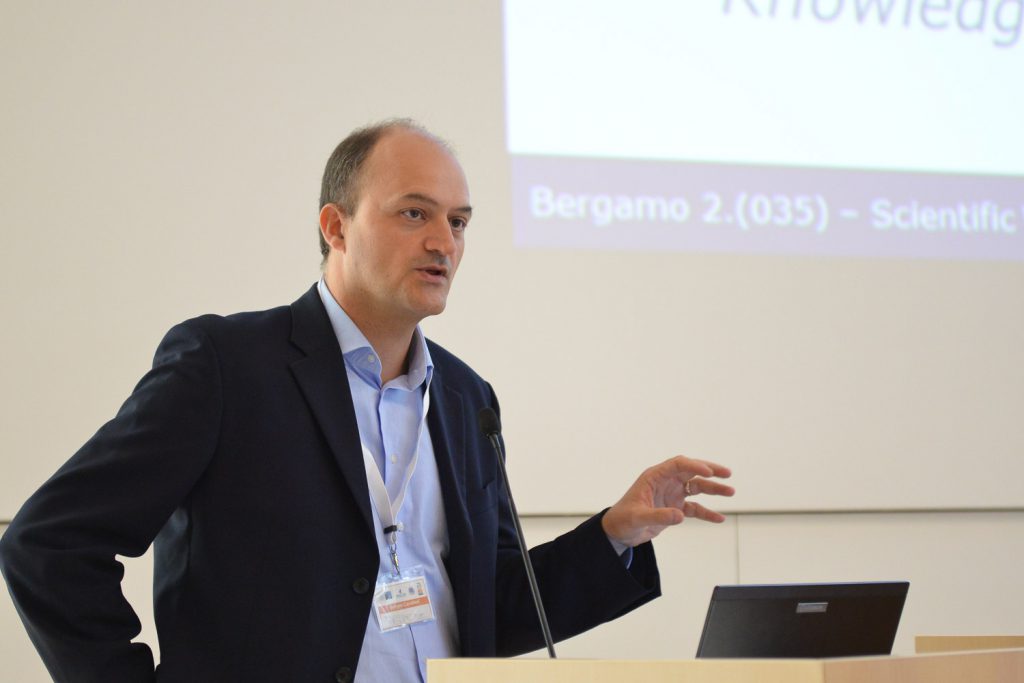
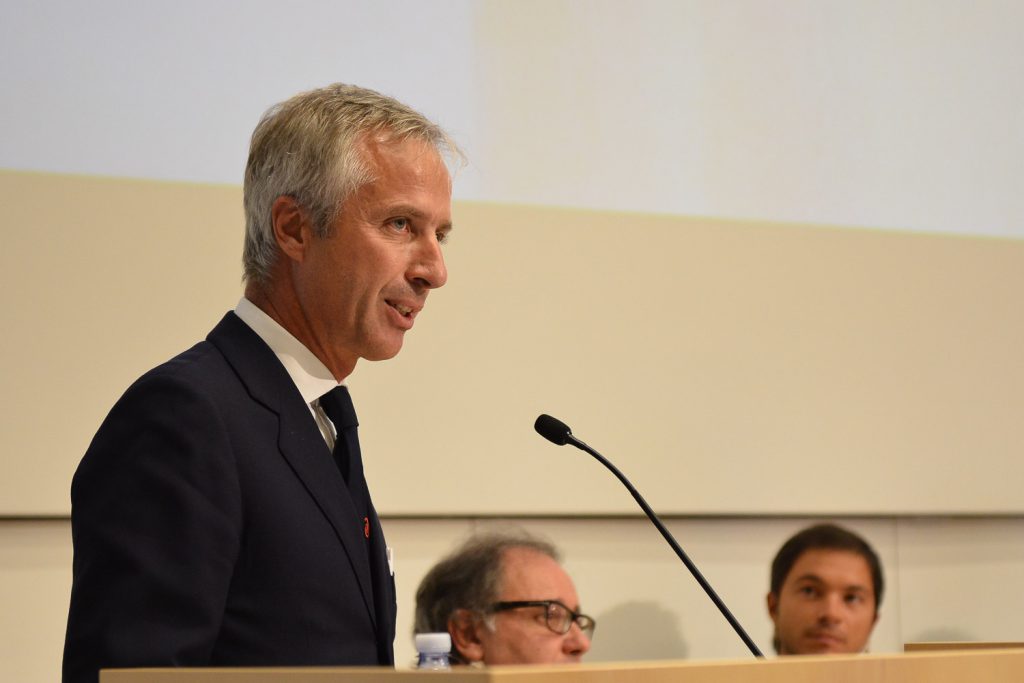
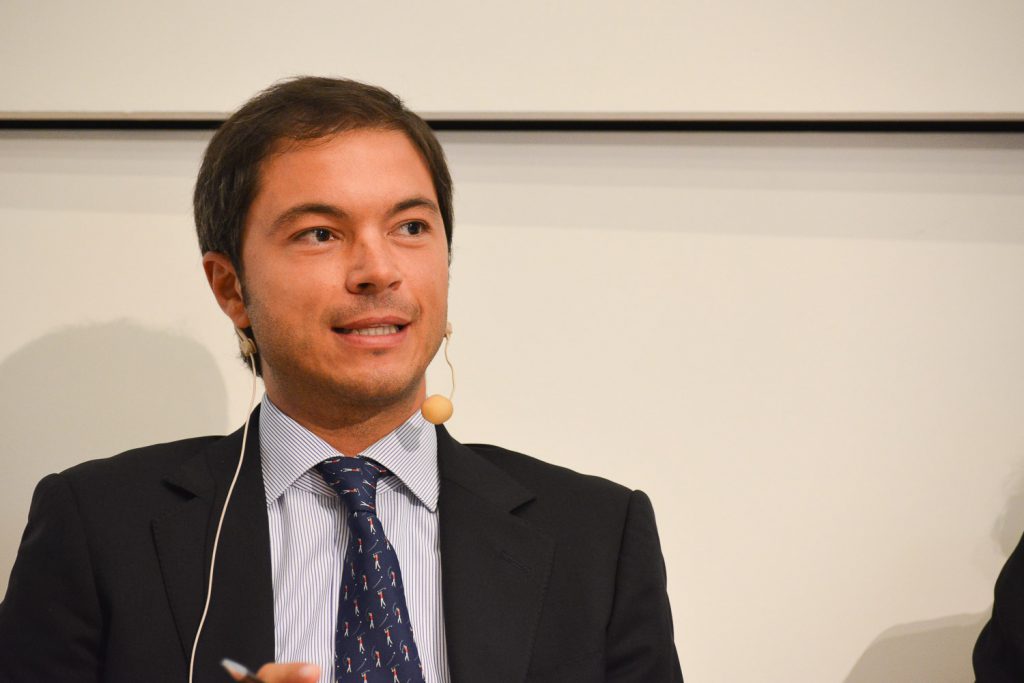
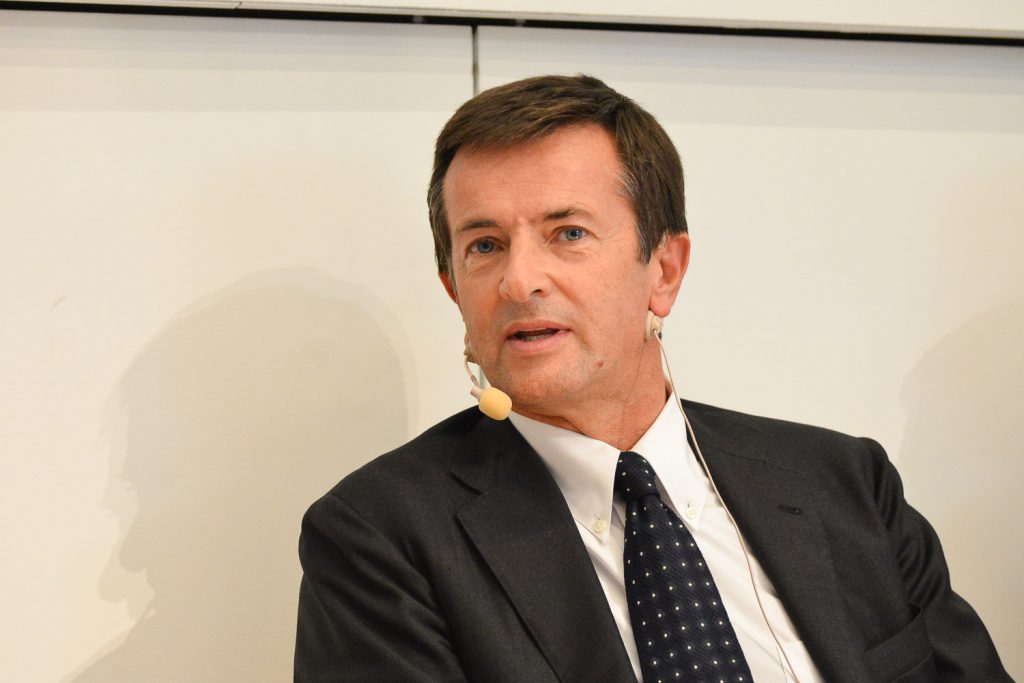
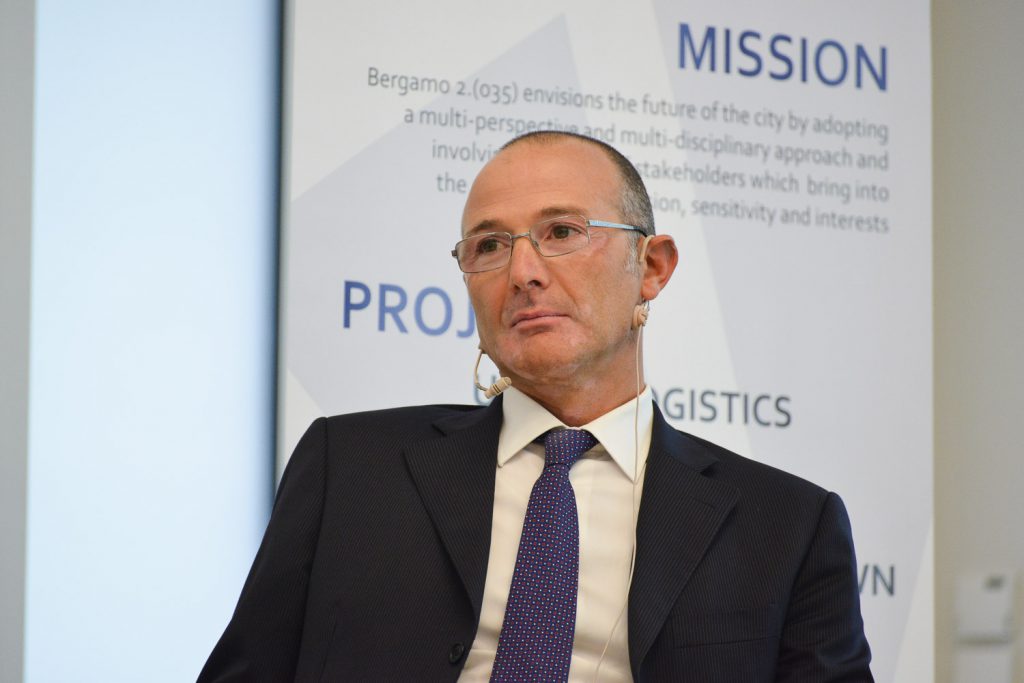
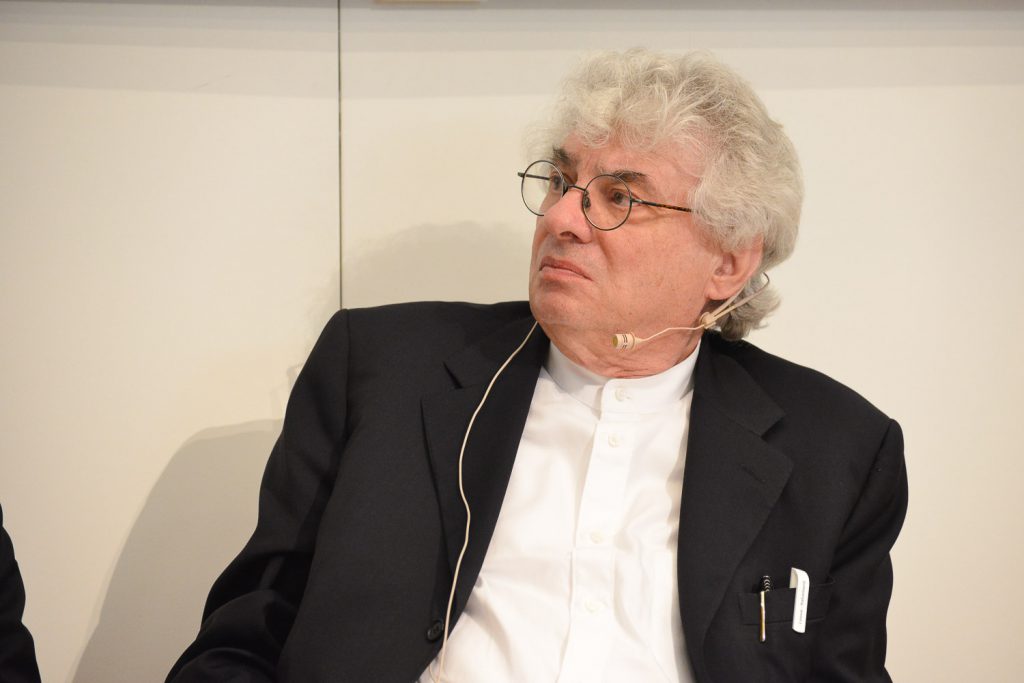
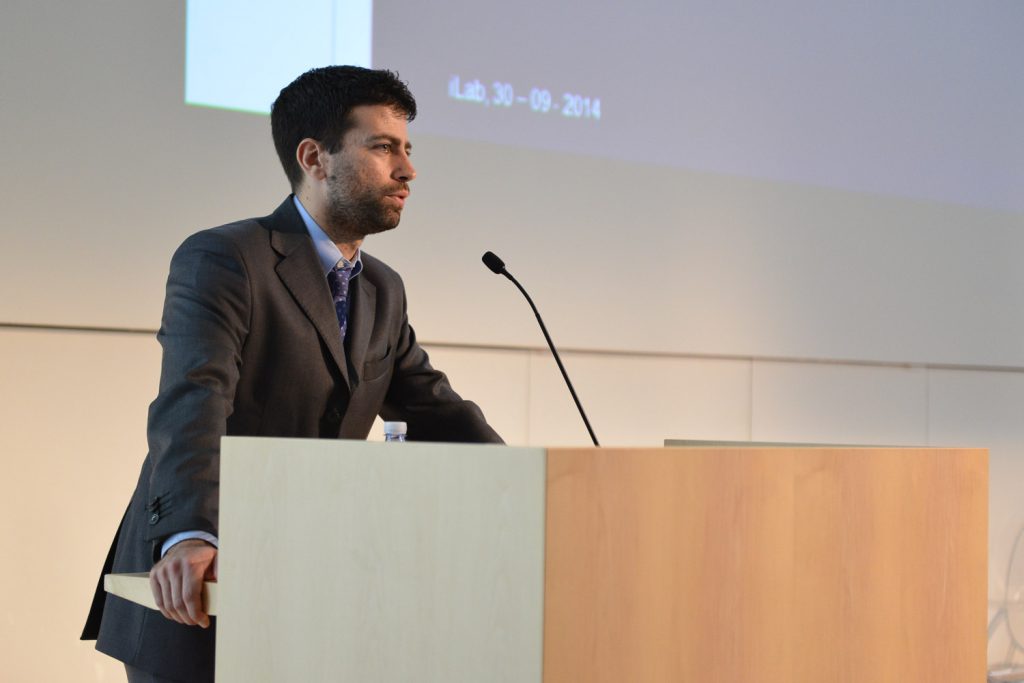
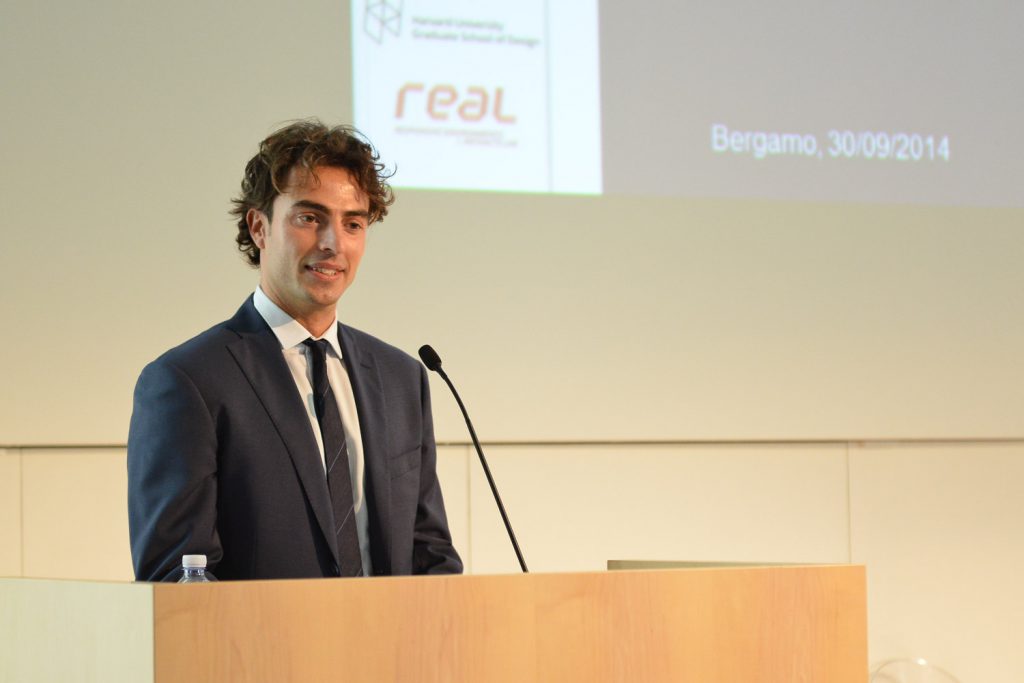
Many local and national authorities, representatives from the cultural, academic, and entrepreneurial worlds were present at the conference: Giorgio Gori, Mayor of Bergamo; Lara Magoni, Regional Councilor of Lombardy; Maurizio Martina, Minister of Agricultural Policies; Francesco Beschi, Bishop of Bergamo; Mario Botta, architect; Ercole Galizzi, President of Confindustria Bergamo; Stefano Paleari, Rector of the University of Bergamo; and Marcello Persico, Managing Director of Persico Marine. The event was closed by Carlo Pesenti.
The challenge
“Bergamo 2.035,” said Carlo Pesenti, “has a special value for us because it looks to the future of our territory and sees a direct involvement of the University: from the Rector and professors — whom I want to thank again for the work done — to the researchers and students called to contribute firsthand.”
“The challenge identified by the authors of the research,” Pesenti continued “is that of a multi-perspective approach, capturing the visions, sensitivities, and interests of a plurality of actors in the territory, who often lack opportunities to find a common vision. The University, through its main Departments, has been able to synthesize such a diverse reality. I believe this is one of the greatest merits of ‘Bergamo 2.035’: having been a stimulus (and here I quote literally from the working papers) ‘to those sectors of society that seem to have insufficient awareness of the importance of system integration.’”
The Foundation
Giovanni Giavazzi, President of the Fondazione, in his message emphasized the importance of collaboration with the University of Bergamo “For years we have supported the University of Bergamo in high-level international projects, such as the PhD program in Logistics and Supply Chain Management, carried out in collaboration with the Logistics Center of Zaragoza (a partner of MIT Boston) and SDA Bocconi in Milan, which scientifically deepens logistics and supply chain issues, crucial for modern industry in the age of globalization. The Bergamo 2.035 project is therefore fully consistent with the approach followed so far and that the Fondazione intends to continue: to give a concrete contribution to the growth of the community.”
Comunicato stampa
CV Relatori
Approfondimento Progetto Bergamo 2.035
Gallery

[oqeygallery id=”4″]